Historical Fiction

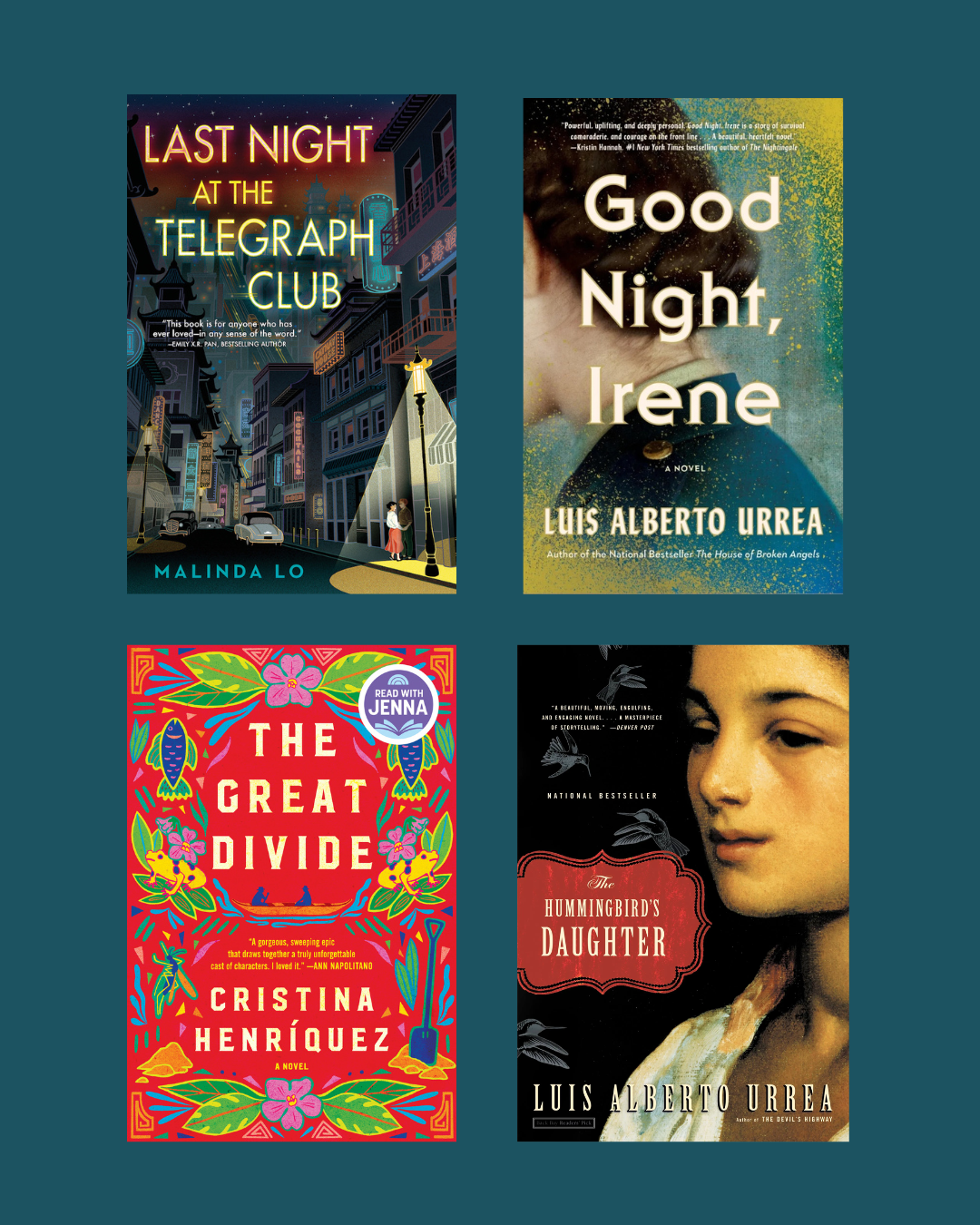
As a historian, I have a hard time enjoying historical fiction. If the author does not strive for historical accuracy, it makes it much harder for me to trust that they will tell a good story. In other words, if they do not take the time to learn about and recreate a historical time and place, I’m less likely to suspend disbelief and follow them down a story rabbit hole. I recognize that this is a tall order. Yet, to my delight, several writers have risen to the occasion and written what I consider to be beautifully crafted historical stories.
I first came across Luis Alberto Urrea’s work in 2004 while I was a Ph.D. student at the University of Illinois-Chicago. He had just published The Devil’s Highway, a gripping nonfiction account of a group of men attempting to cross the desert from Mexico into the southwestern United States in 2001. Urrea taught at my university, and while I never interacted with him personally, I did enjoy reading the book and joining all the excitement in Chicago around the book’s release.
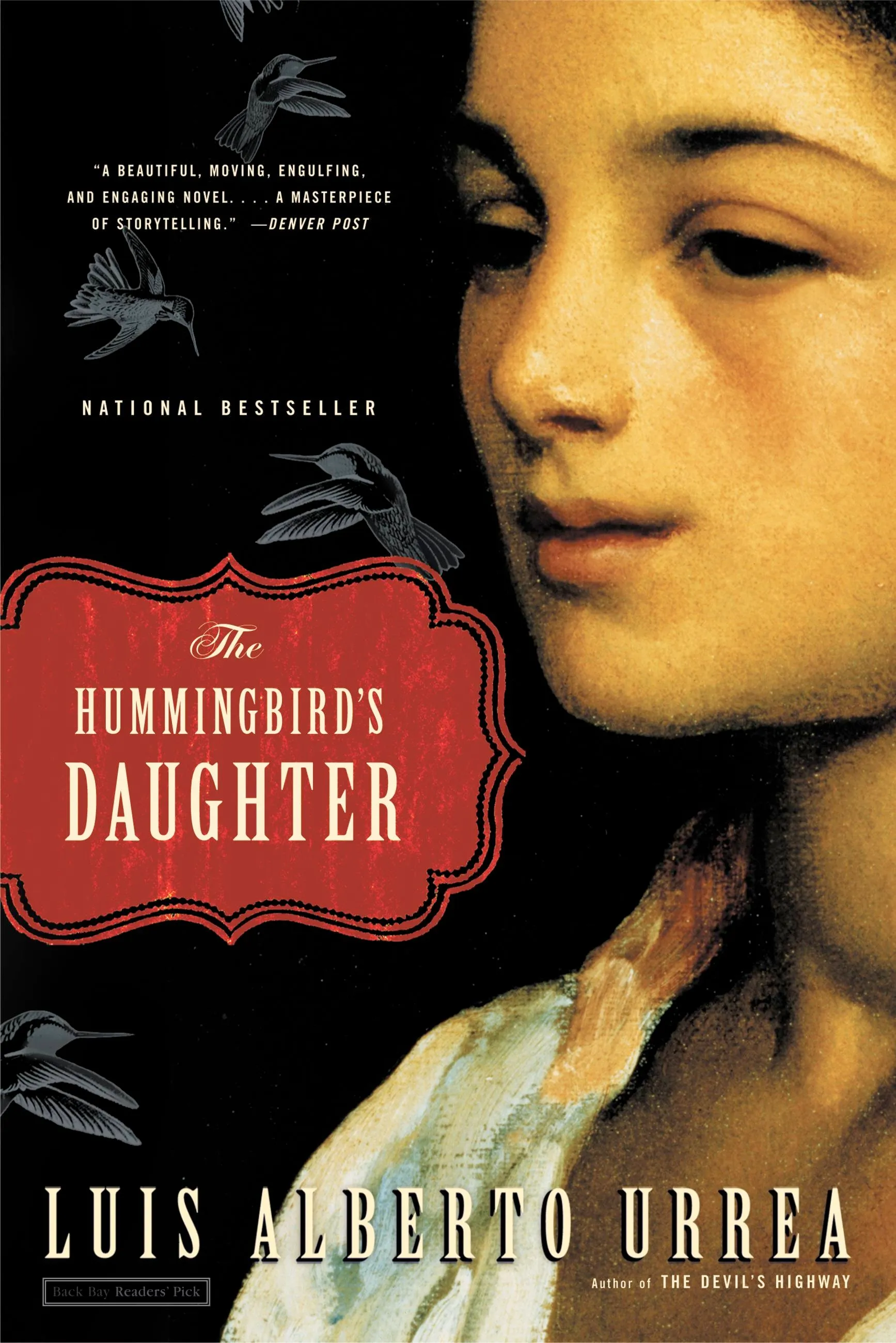
Two years later, Urrea published one of my favorite novels of all time, The Hummingbird’s Daughter. Based on a legend within his family’s history, the book tells the story of Teresa Urrea, "The Saint of Cabora,” and her influence as a healer, unifier, and icon during the Mexican Revolution (1910-1920). Urrea shares on his website how much time he devoted to research in order to bring Teresa’s story to life:
I worked for twenty years, on and off, trying to create this epic novel. I had to learn a lot of things. I had to learn Mexican history, revolutionary history, Yaqui and Mayo cultural history, Jesuitical missionary syncretistic history, family history. I had to study with medicine people and shamans, midwives and curanderas. That’s a big load of study for someone who didn’t much like school. But fortunately for me, I had all this juicy kind-boggling [sic] story to play with.
All of this hard work pays off. The book offers the reader the chance to become fully immersed in a historical moment while also following an accessible and compelling story of a teenage girl trying to figure out her role in society. Urrea poetically captures the tensions that existed within rural communities at the onset of the Mexican Revolution as well as between the cultural influences of Catholicism and curanderismo (a holistic and spiritual medicine practice). His personal connection to Teresa further inspired him to thoughtfully develop her character.
Urrea explains:
Teresita, aka The Saint of Cabora, was indeed a relative of mine. She was always presented to me, back in Baja California and Sinaloa, as my aunt. I hunted her story down all over the US and Mexico, and even found some interesting roots for the novel in France. I learned things in sweat lodges, in kitchens, in desert outbacks and tumbledown ranchos as much or more than I learned in libraries and museums. I even lived in a haunted house full of scary shadows. I don’t know that I’ll ever have the strength to undergo such a journey again.
Although he’s written many other good fiction and non-fiction works in the intervening years, my other personal favorite is his 2023 novel, Good Night, Irene. Set during World War II, the book is a fictionalized account inspired by another one of Urrea’s family members – his mother. The story follows two female Red Cross volunteers who meet in Europe while training to drive Clubmobiles into combat zones as a way to offer donuts, music, and a little levity to troops moving in and out of danger. While surrounded by men, the friendship between Irene and Dot is at the heart of this beautifully told tale.
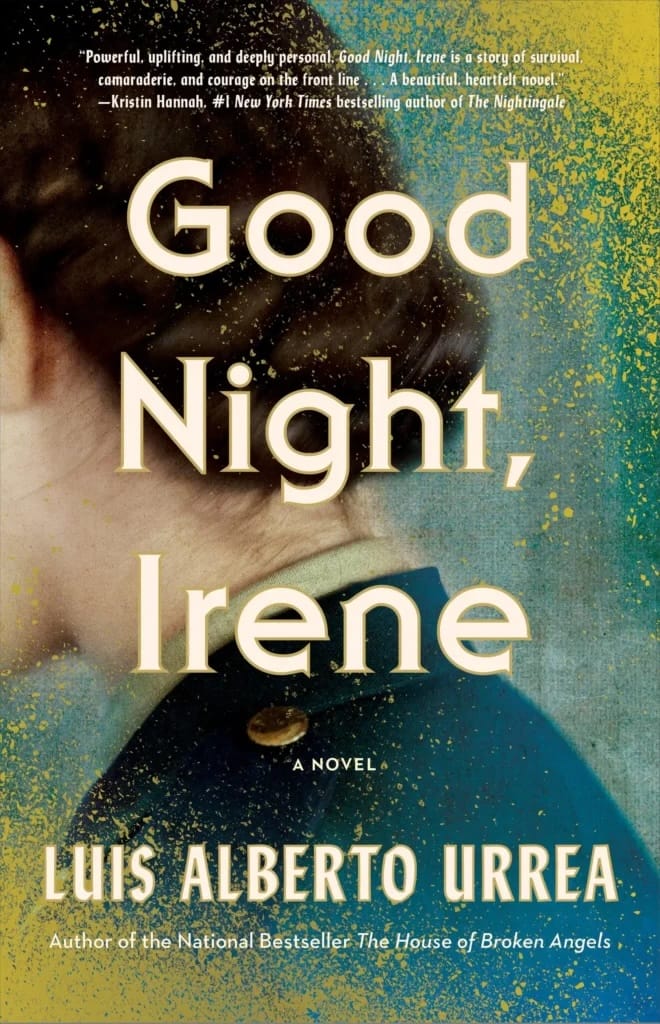
In an article for Time magazine, Urrea shared his process for this book :
When I began to research my new novel almost 10 years ago, I started with the photographs, scrapbooks and journals she had left behind. I tried to reconstruct my memories of the occasional impressions my mother had given me of her time in the European theater. I thought I might be able to write a nonfiction account of my mother’s World War II experiences, taking what I could sketch out from her memories and filling it in with the historical record. However, I was not prepared to discover how little information I could find about the women of the WWII Clubmobile Corps.
Without sufficient archival documentation, Urrea turned to fiction as a plausible way to flesh out his story. The thought and care he put into this book, like The Hummingbird’s Daughter, is evident throughout the text and upholds the high standard for historical fiction I’ve come to expect from him.
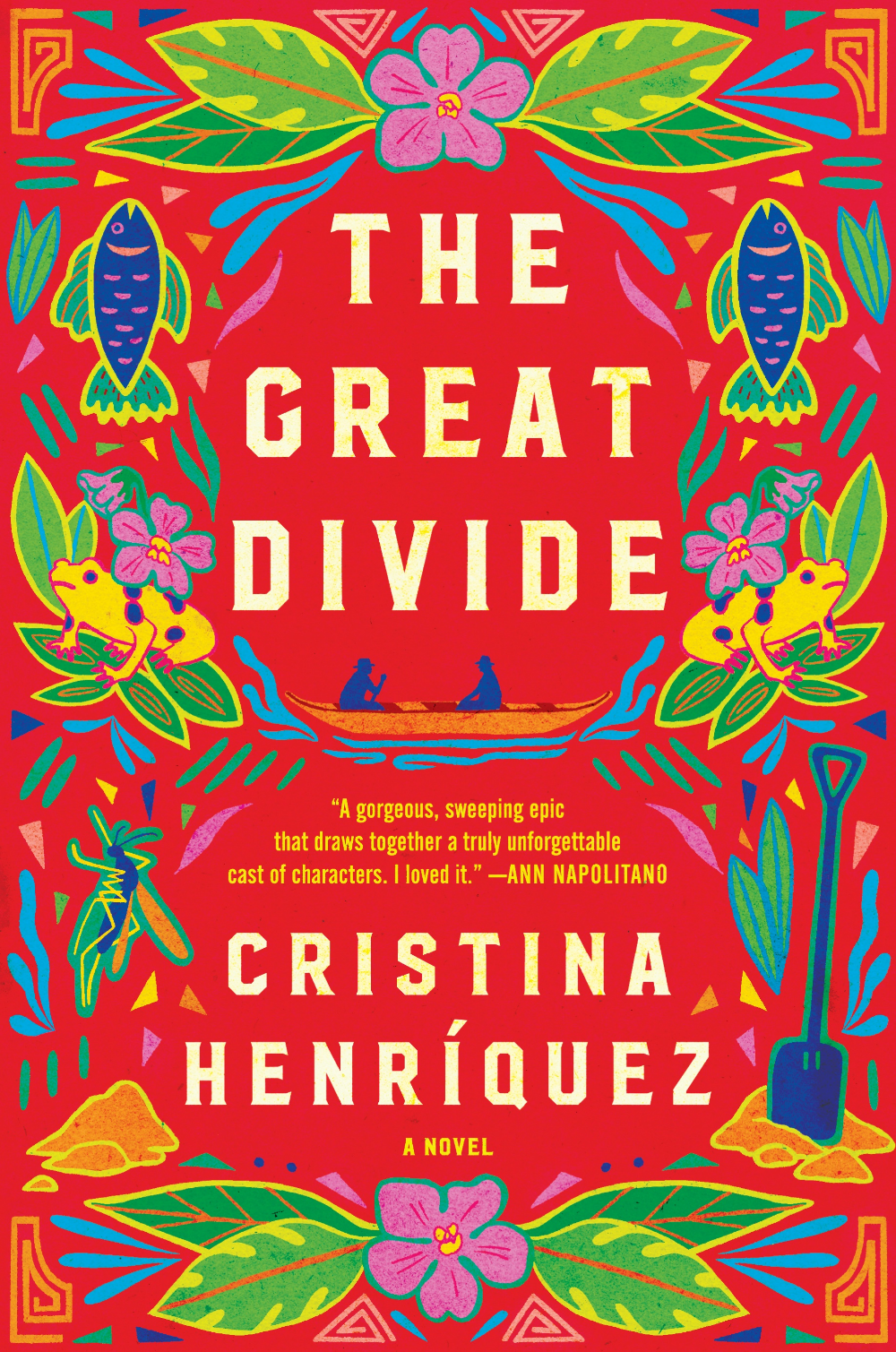
Like Urrea, Cristina Henríquez’s family heritage inspired her 2024 novel, The Great Divide. This excellent book tells the story of the Panama Canal’s construction from the perspective of the local Panamanian population, immigrant Afro-Caribbean workers, and U.S. managers as they all converge into a makeshift community in the early 1900s. In an interview with the New York Times, Henríquez recounts that she often visited the canal as a child (her father is from Panama) and wanted to learn more about its history. Writing the book, which took her 10 years, helped her move from broad questions to tiny details, “delving into the fault lines of incident, tracing networks of railroads and mosquito types, learning the particulars of a fishing reel, a cooking skillet, a dance step or a new world order secretly bankrolled by Wall Street.” The result is a beautifully woven story with multiple points of view that feels both intimate and vast.
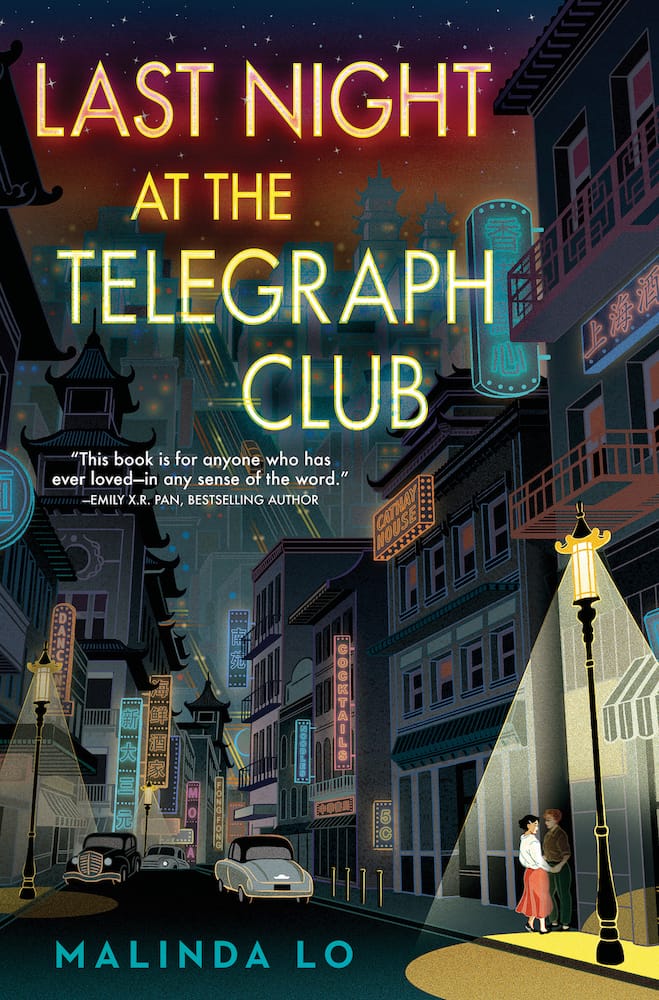
Finally, Malinda Lo’s outstanding novel Last Night at the Telegraph Club is based on a Chinese-American teenager’s coming of age in 1950s Chinatown. Lo chose to write this story as a way to grapple with her family’s experience immigrating to the U.S. from China as well as the realities of lesbian and gay culture in San Francisco during this time period. Her inspiration also stemmed from the lack of representation in YA books of Chinese-American lesbians. In addition to the love story at the center of this book, Lo devotes a lot of time to capturing the angst, fears, and joys shared within this community.
In addition to the author’s note and bibliography at the end of her book, Lo offers several resources on her website to help readers and educators further understand the historical context of her story. These include a Spotify playlist of popular music from the 1950s, discussion and book club guides, and a blog containing several posts on her process of world building within the novel. In her post, “Chinese Food in 1950s America,” she recalls:
One of my favorite parts of researching Last Night at the Telegraph Club was digging into the food that would be served at a Chinese New Year family dinner, which takes place toward the end of the novel. I started with online research into Chinese New Year traditions, and I also read some contemporary (midcentury) publications like San Francisco Chinatown on Parade, a brochure published in 1961 by the Chinese Chamber of Commerce that included articles about traditional Chinese New Year foods. But the most important research I did involved calling my parents, who had been children in China during the 1950s, and asking them about their memories of Chinese New Year foods. They in turn asked their childhood friends about their memories.
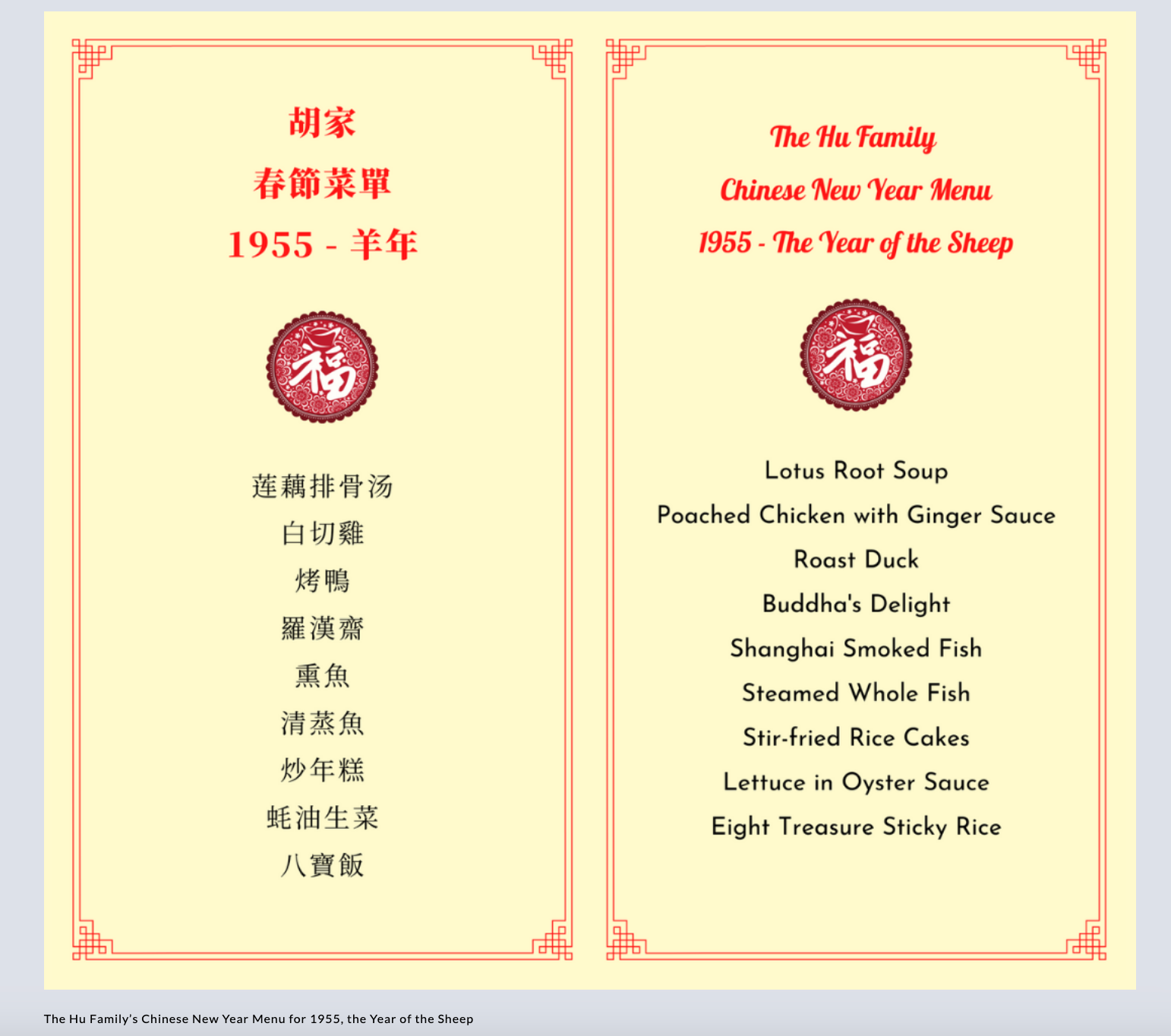
Lo walks the reader through her historical research and concludes with sharing the menu presented in the novel along with recipes for each dish. This work allows the reader to stay immersed and engaged with the story after finishing the book while also learning more about Chinese-American culture. Other posts follow a similar framework, blending the author’s research process with intriguing facts on topics such as Miss Chinatown pageant, racism against Chinese-American migrants in the 1950s, male impersonation and lesbian nightclubs, and the police raids these establishments endured. My favorite post is A Guide to Lily's San Francisco, where Lo recreates the real and imagined locations throughout the novel with maps, historical photographs, and (again) process notes.
Urrea, Henríquez, and Lo each demonstrate in their writing a commitment to getting the details right and a belief that historical context matters. And, as these examples demonstrate, family history and personal connections are often the impetus for undertaking the long, slow process of writing good historical fiction. It is not for the faint of heart, and (in my mind) requires a passion that extends beyond a general interest in creative writing. As I mentioned in my last post, I believe writing stories about real life characters and events carries with it a responsibility to be as accurate as possible. Most readers will not take the time to do extra research on their own, so the impression a story has on them will inevitably shape how they remember that history and talk about it with others.
At the same time, I want to be clear that history is not a static resource. There will always be new interpretations, understandings, insights, and revelations that challenge our existing awareness of events, peoples, and places. It’s up to us as global citizens to carefully examine the available evidence and determine how we adapt these changes into our collective memory. As an example, a colleague recently shared this article analyzing Martin Luther King Jr.’s personal story of encountering racism for the first time. After trying to confirm Dr. King’s recollection, biographers Lerone Martin and Jonathan Eig conclude:
Sometimes, myth matters more than fact, and as historians, we have to respect the power of a great story and see it for what it is. In talking about his personal introduction to racism, Dr. King sought to make a point about our collective journey: that our self-imposed division threatened to rot not only individual souls but the soul of our nation. And that’s a story we still need to tell, even if some of the details remain unknowable.
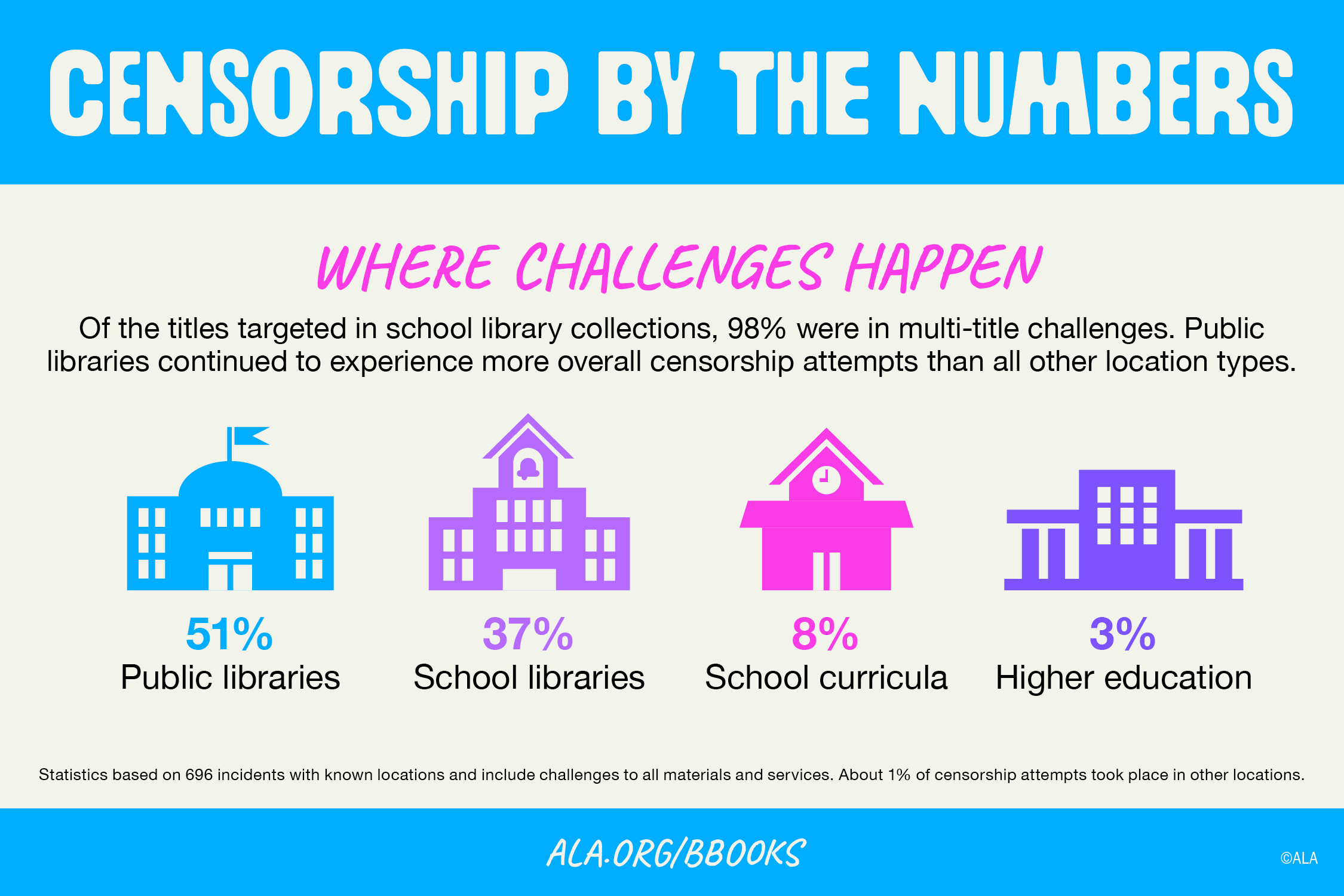
Ultimately, I think more stories about the human experience need to be told and shared. If we stand any chance of working together as a collective global community, it will have to be rooted in empathy for and acceptance of ways of life that are different from our own. And yet, in these difficult times, it is exactly this openness to difference that many political leaders are hoping to limit. Pen America’s 2025 report on book banning in U.S. public schools documents “a larger campaign to restrict and control education and public narratives, wreaking havoc on our public schools and democracy.”
After tracking trends across state and federal book bans, the reports concludes:
Our public school system is foundational for free expression and for the rich exchange of information and ideas. School libraries are essential in supporting voluntary inquiry and have been defended as necessary places free from content restrictions and ideological control. And much like public libraries and other public institutions, the goal of public education is to serve everyone – equally and fairly. In sowing chaos across public education, the book banners and ideologues have laid bare their fear – namely, the fear of a more just, informed, and equitable populace.
According to the report, Last Night at the Telegraph Club was the fourth most banned book in schools in 2024-2025. LGBTQ+ representation is a primary target within banning campaigns as conservative leaders question the appropriateness of discussing gender and sexuality in school classrooms, regardless of the increasing number of adolescents seeking accounts of historical and contemporary experiences with these issues. As a result of reactionary and misguided measures, the authors argue, “LGBTQ+ students and their families will effectively be denied the freedom to read about themselves and those around them.”
Fortunately, not all hope is lost. The report concludes:
For the first time in our tracking, we catalogued the robust network of advocates fighting back publicly against censorship in defense of the freedom to read. Of the 87 districts impacted by book bans this year, 70 contained evidence of a public response against censorship, whether from individuals, organized groups, or whole communities. Often, it is parents, individual authors, students, educators, librarians, and community members who have been instrumental in creating the most local and direct pressure to return books to shelves.
At the end of the day, my best advice is to read more diverse stories, find and celebrate authors you can trust for historical representation, check out books from your public and school libraries, and join campaigns to support diverse writers, public education, and freedom of expression.
Learn More:
- Join the fight against book bans by supporting organizations like Unite Against Book Bans
- Post information from trusted organizations like the American Library Association
- Participate in Banned Books Week from October 4-10, 2026
- Read a Banned Book
- Read a Banned Picture Book
- Read this article about how to effectively use historical fiction in elementary school classrooms (great for parents and caregivers, too!)
- And look at this article for incorporating historical fiction into higher education