Belle da Costa Greene

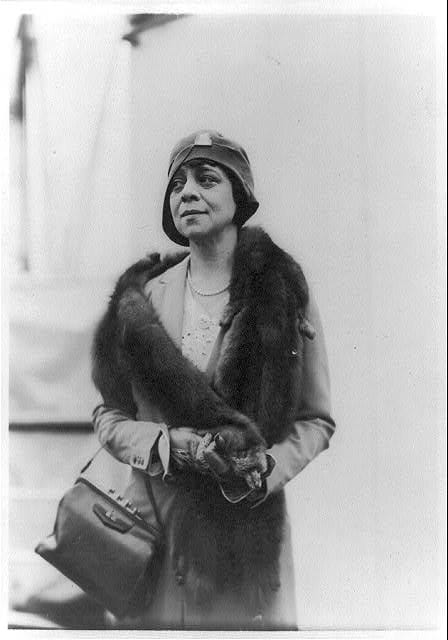
Belle da Costa Greene (1879–1950) served as the primary acquisition librarian for J.P. Morgan and developed his personal collection into what would become the Morgan Library and Museum in New York City. While she was renowned for her work during her lifetime, she presented herself as white and downplayed her family’s Black heritage for professional security. Her story emphasizes important considerations on opportunities for women, racial and class divisions in U.S. society, and the role of collective memory in shaping a person’s legacy.
Belle’s father, Richard Theodore Greener, moved within an elite Black intellectual circle in Washington DC. He was not only the first Black man to graduate from Harvard University but also the first Black man to earn a law degree at the University of South Carolina. Although he was a lawyer, activist, and civil rights leader, the racist social climate kept Greener from gaining long-term employment. By the late 1880s, the family moved to New York and shortly thereafter, Belle’s parents divorced. Along with her mother and siblings, she started passing as white to gain access to more educational and professional opportunities. They changed their last name to da Costa Greene in order to convey a more European ancestry. (Belle da Costa Greene: A Librarian’s Legacy (Online Teacher Curriculum)).
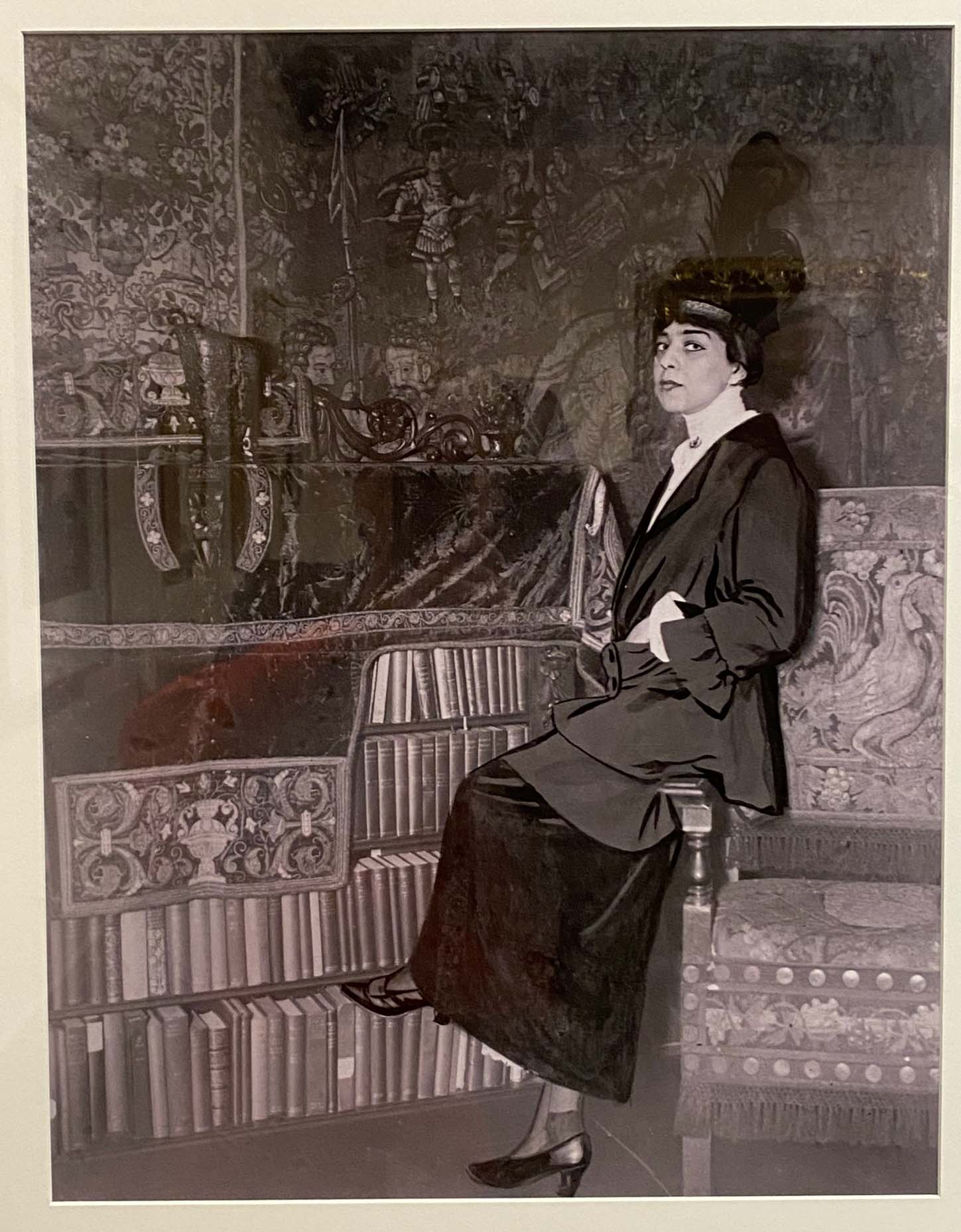
From Vanderbilt University’s digital exhibit The Reinvented Life of Belle da Costa Greene:
“Passing” refers to the social experience of someone presenting as or perceived to be an identity other than their own, including but not limited to racial identities. People that choose to pass often do so because the contemporary legal structures privilege a group other than their own. Like Belle da Costa Greene, some people of color from the eighteenth to mid-twentieth century passed as white for greater legal, social, and financial freedoms. Racial passing provided them with protection from discrimination and racial violence in America. This action was a viable option for some people of mixed ancestry with lighter complexions.
Scholars agree that passing allowed Belle to attend Princeton University and, through mutual connections, catch the attention of J.P. Morgan. Morgan hired Belle in 1905 to organize and oversee his personal library. Colclough reflects, "As Morgan’s librarian, Greene managed and organized his collections and actively acquired more items to develop the scope of the library’s holdings. As a young woman in her 20’s in charge of a million-dollar collection and spending thousands of dollars acquiring more items, Belle de Costa Greene was a sensation to both fashionable society and the male-dominated art world." (Library of Congress)
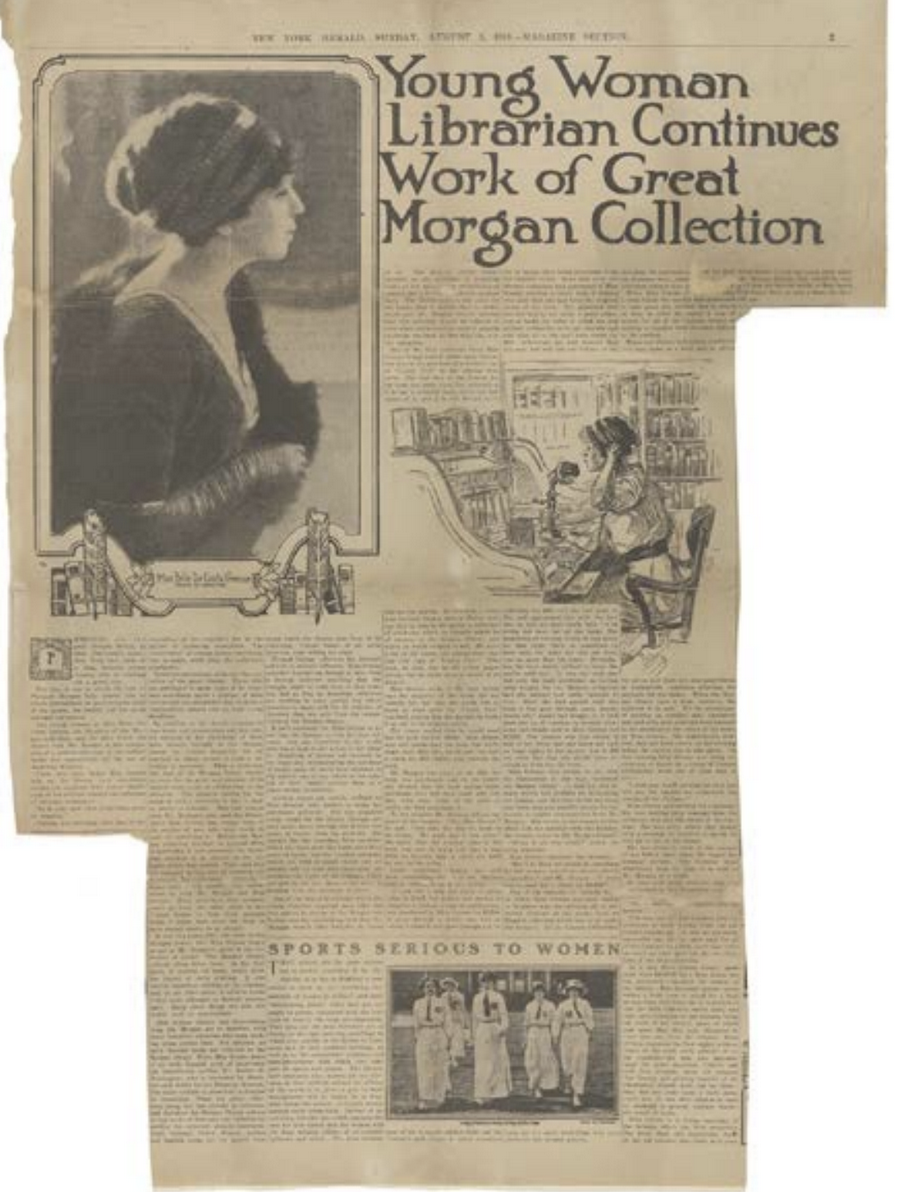
While passing opened new doors for Belle, it also limited her opportunities to engage with her own community. Vanderbilt’s digital exhibit points out, "Belle da Costa Greene’s life in New York coincided with the Harlem Renaissance, yet she was removed from this intellectual revival of African American culture as she navigated white social spheres." (The Reinvented Life of Belle da Costa Greene)
Reference librarian Joanna Colclough notes, "It’s been a struggle to find out more about Greene’s personal life because she burned all her personal papers before her death. Most primary sources about her are her letters sent to others, her professional papers at the Morgan Library archive, and newspaper coverage of her and the library." (Library of Congress)
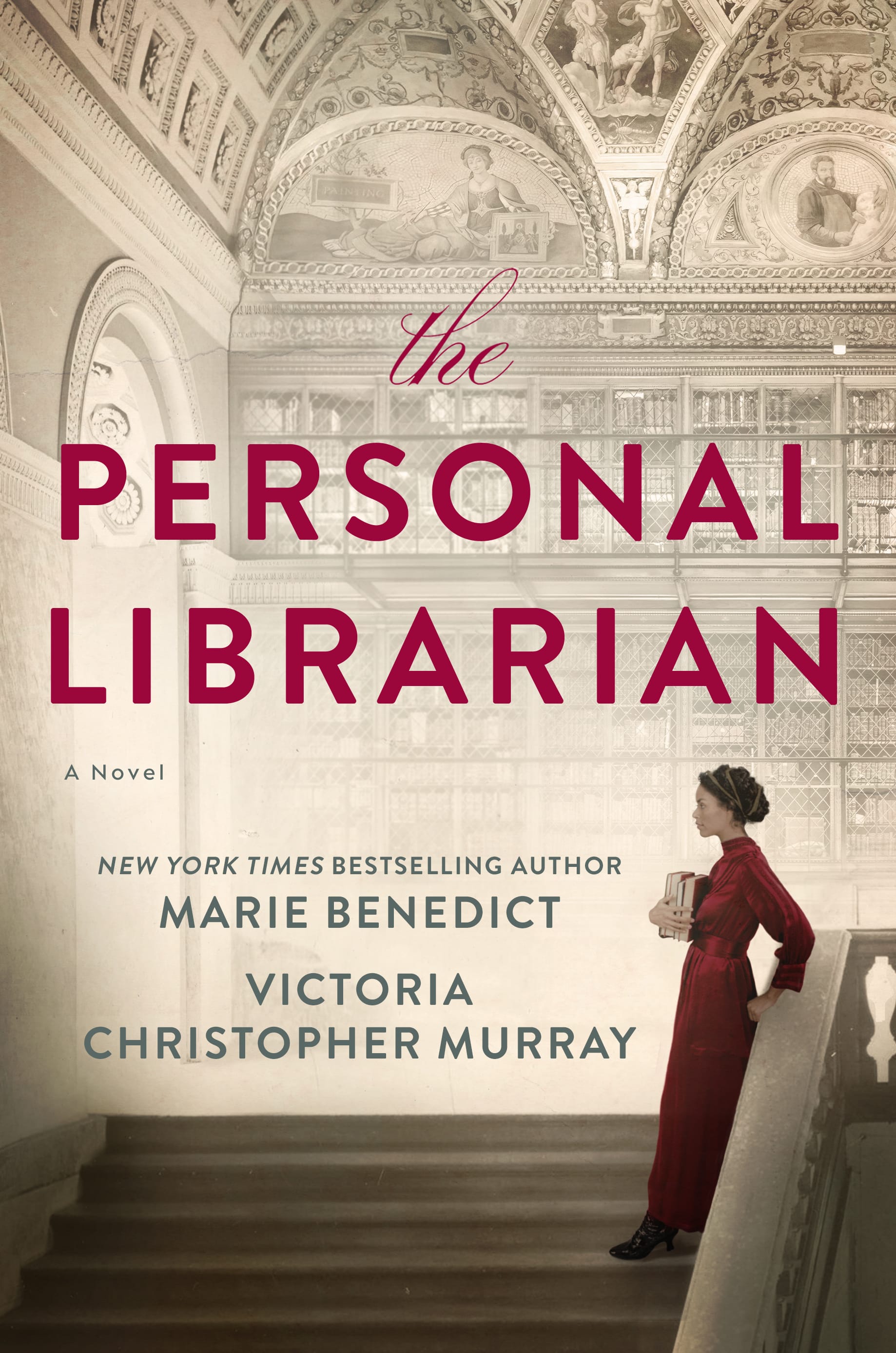
Belle’s story gained increased popularity with the 2021 novel The Personal Librarian by Marie Benedict and Victoria Christopher Murray. The authors offer a fictionalized account of her years working with the Morgan family and the inner turmoil she likely experienced navigating her separate professional and personal lives. The story is compelling and captures a strong sense of place within the walls of the Morgan Library. Given the lack of historical material available on Bell’s life, the authors note, “we structured the story around the research, and in the gaps, we made logical extrapolations.” (The Personal Librarian)
As a historian, I am often conflicted about the value of historical fiction. On one hand, I applaud the efforts of writers to bring stories to life (especially those of relatively unknown people and experiences) that readers might not otherwise encounter. There is an implicit understanding between writers and readers of historical fiction that creative license is part of the process – not every event, conversation, or description is based exclusively on evidence.
On the other hand, many readers never go beyond fictional accounts to learn more about the individuals in the book. This can be problematic, especially in terms of memory, because the imagined story eclipses the real person’s life. Even though writers often include an afterward clarifying where they’ve veered away from the historical record, most readers don’t engage with these pages. For example, Benedict and Murray offer a Historical Note at the end of their novel, explaining, “Sometimes, when necessary for the pacing of a story or the narrative arc of the book, we have taken liberties with historical dates and details.” (The Personal Librarian) Some of these changes are small (altering the timing of an event from one season to another), but others are sizable (shifting the chronology ahead or backward several years from what is presented in the evidence).
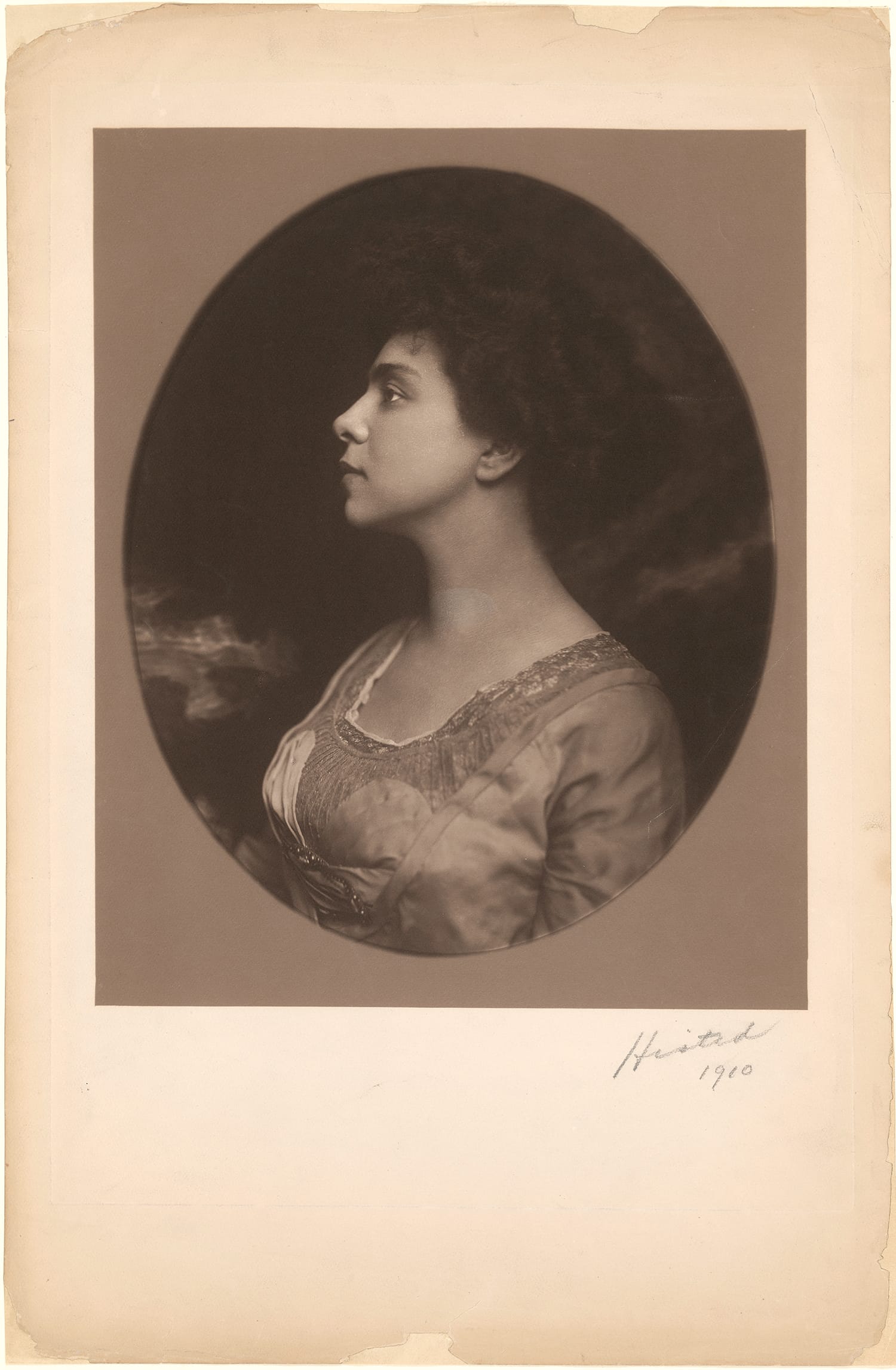
Ultimately, I think it comes down to critical thinking, and by that I mean a combination of reading for pleasure and the due diligence of learning more about a person/character/place/event by looking at additional sources from the time period and from scholarly analysis (e.g., museums, digital exhibits, biographies, photographs) to create a more well-rounded interpretation grounded in facts.
Belle da Costa Greene’s story captured my attention for several reasons. The time period and place in which her professional career developed intersects with the rise of New York’s wealthy class, the intellectual and cultural contributions of the Harlem Renaissance, and the color divisions that resulted from social debates in the post-Reconstruction era. Her experience passing as a white woman within intellectual and elite societies, her direct influence in the preservation of rare books, and her advocacy for public access to private collections all add layers of complexity that deserve more of our attention. And limited surviving historical documents about her life necessitates using our imaginations to amplify her story. Combining historical fiction with archival evidence provides us with a path to learning more about her authority within a typically confining time period for women, and particularly for women of color.
Learn More:
- Watch The Morgan Library short documentary Belle da Costa Greene: A Librarian's Legacy
- Listen to the Annotated podcast episode The World’s Most Glamorous Librarian
- Read an interview with Marie Benedict and Victoria Christopher Murray about writing The Personal Librarian
- Check out Nella Larsen’s novel Passing from the library