Dorothy Pitman Hughes

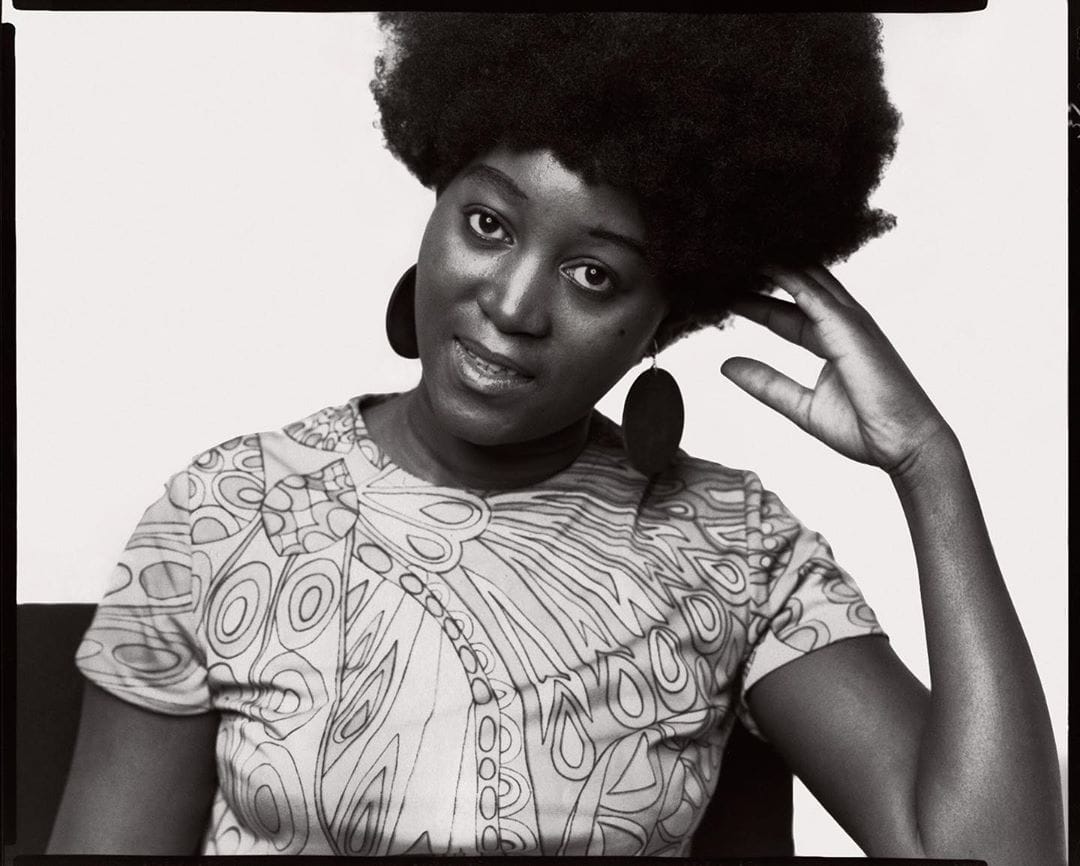
As an educator who teaches a course entitled Sex and Resistance (brilliantly developed by my friend Stefanie), I am regularly on the lookout for new-to-me stories of activism. I don’t remember exactly which rabbit hole I followed that led me to historian Laura Lovett’s biography, With Her First Raised: Dorothy Pitman Hughes and the Transformative Power of Black Community Activism. But I was immediately drawn into Dorothy’s story of growing up in the unincorporated community of Charles Junction just outside Lumpkin, Georgia (about 2.5 hours southwest of where I live). Born in 1938, Lovett describes Dorothy’s upbringing in the rural South:
The world that Dorothy was exposed to through her mother was framed by the Black church and the kind of Social Gospel doctrine found throughout Protestant denominations at the turn of the nineteenth century. Duty to community and others was rooted firmly in an understanding of the self. The self was competent, self-loving, intuitive, and intelligent, able to stand on its own while still looking after the fallen. (15)
Enduring the Jim Crow laws of racial segregation as well as the wrath of white southern violence that enforced them in this period, Dorothy was anxious to escape the restricted ways of life in her hometown. She dreamed of using her talent as a singer to make her way north to New York City. And in 1958, she decided to take that leap.
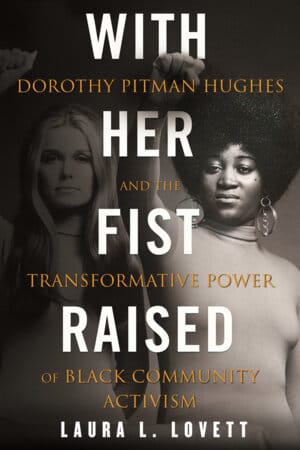
Working as domestic help during the day and a club singer at night, she returned to the south in 1960 to give birth to her first child, but soon felt compelled to return to the big city where she became more directly involved in civil rights activism. She worked for the Congress for Racial Equality (CORE) and volunteered for Malcom X. She married Irish Nationalist and IRA member Bill Pitman in 1964 and, one year later, delivered her second child. Throughout this period, Dorothy spent long hours considering how best to support black empowerment and her community on the West Side.
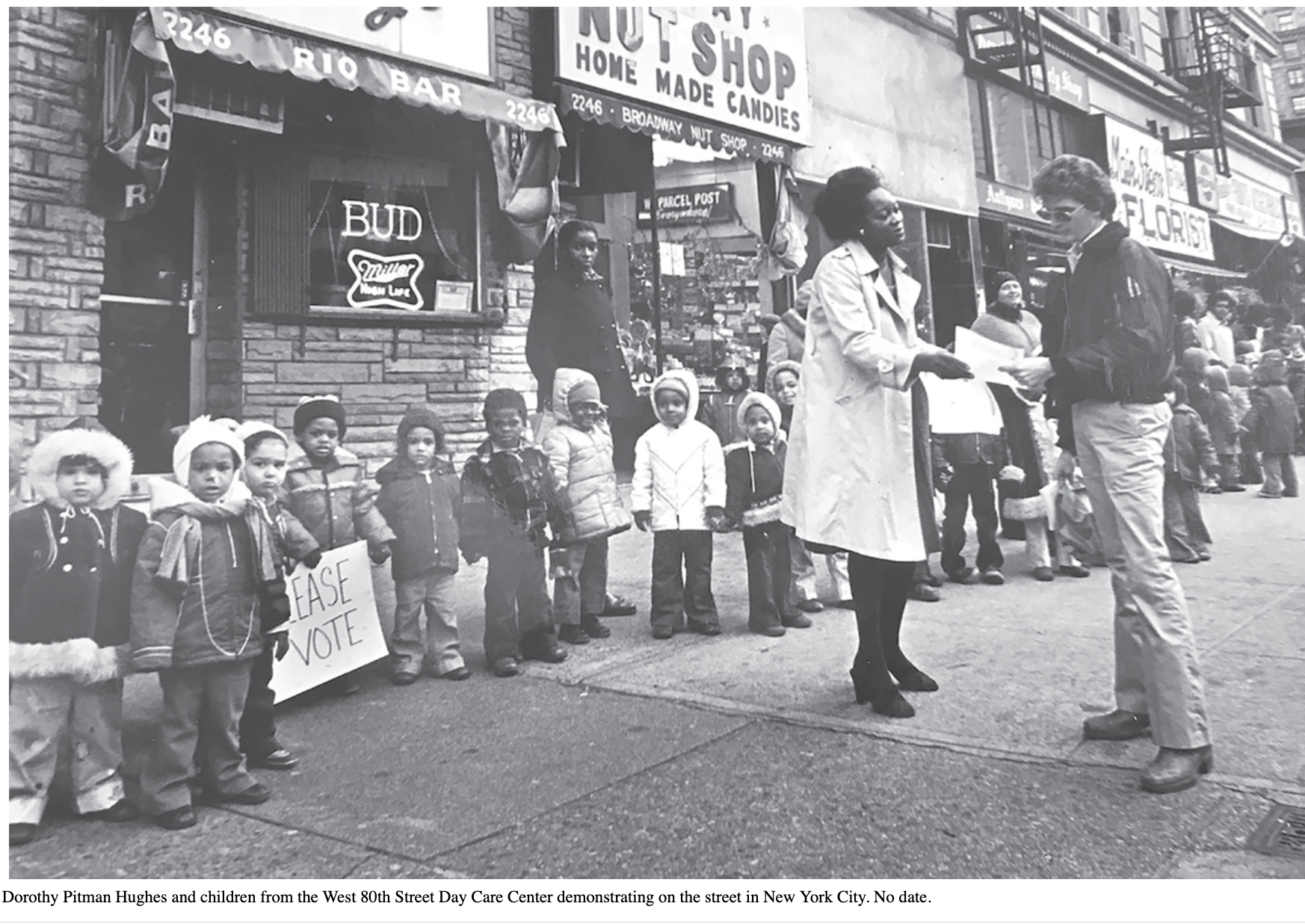
One issue she paid particular attention to was the lack of childcare options available for families. As Lovett writes, “Drawing on a tradition of African American women organizing around childcare, Dorothy recruited parents up and down the street to meet and discuss their needs.” (43) In 1967, she opened her first community-led childcare center with support from the Office of Economic Opportunity. Although the West 80th Street Day Care Center was in need of several repairs and located in an area that caused concern to outsiders, Dorothy made the most of the building and actively recruited her neighbors to help cultivate the community space.
In 1968, Gloria Steinem visited the center as a reporter for New York. As Lovett recounts, “Steinem wrote that in the space strewn with books, toys, and finger painting, each child’s coat was ‘hung neatly in separate nooks improvised from orange crates.’ To her mind, it was ‘obviously a happy place.’” (46) On return visits, Steinem came to appreciate what the space meant to the community members. Lovett writes, “More than a thoughtfully run childcare center, it provided job training for volunteer mothers who got off welfare and enrolled in college courses in early childhood education and summer jobs for local teens…”(46)
Dorothy, inspired by working with the Black Panthers, prioritized self-determination and community empowerment in all of her actions. While her center earned praise from city officials, and eventually led to a bigger space in a nearby location, she refused to accept government funding that might curtail the participation of her fellow community members. In 1970, new state regulations regarding the qualifications necessary to work as an educator meant that many of the current center employees would have to leave in order for the center to become accredited. In protest, Dorothy led a series of sit-ins at government offices across the city in “defense of her community’s sense of self-determination.” There were three things in her mind that were non-negotiable: “The parents formed the board of directors, community members were welcome to contribute regardless of credentials, and the center created its own curriculum to meet the needs that the community defined.” (58) Her direct action worked, helping to secure the center’s future and inspire others like it around the city.
In the meantime, Dorothy and Gloria formed a friendship that centered on women’s activism. They began speaking at events around the city (and eventually further afield). Dorothy’s speeches emphasized three issues that directly related to Black women’s experiences: “domestic violence, the welfare system, and childcare.” (61) And, as her first marriage amicably dissolved, Dorothy entered into a new relationship with longtime friend Clarence Hughes. When she married Hughes in 1970, Gloria performed the ceremony. A year later, she welcomed her third child.
At this point in the book, Lovett inserts her own voice to contextualize the research challenges that she faced while writing Dorothy’s story. She observes:
From the moment [Dorothy and Gloria] begin to work together, the conspicuous discussion of race and of different experiences influences the conversation. Yet the materials that allow us to recover this story privilege one woman over the other. Not only does the media coverage abet this difference, but the differences between Dorothy and Gloria are notable in who had time to communicate in writing and who understood that papers should be preserved and moved from one residence to another. (69)
In other words, while professional writer Gloria carefully documented and saved all of her speeches, media coverage, and personal insights, childcare center director Dorothy did not. As a result, there are fewer records of Dorothy’s intellectual and activist contributions during these years. Fortunately, Lovett’s interviews with Dorothy and her family helped to fill in some of the missing pieces and allowed her to reconstruct the progression of her activism.
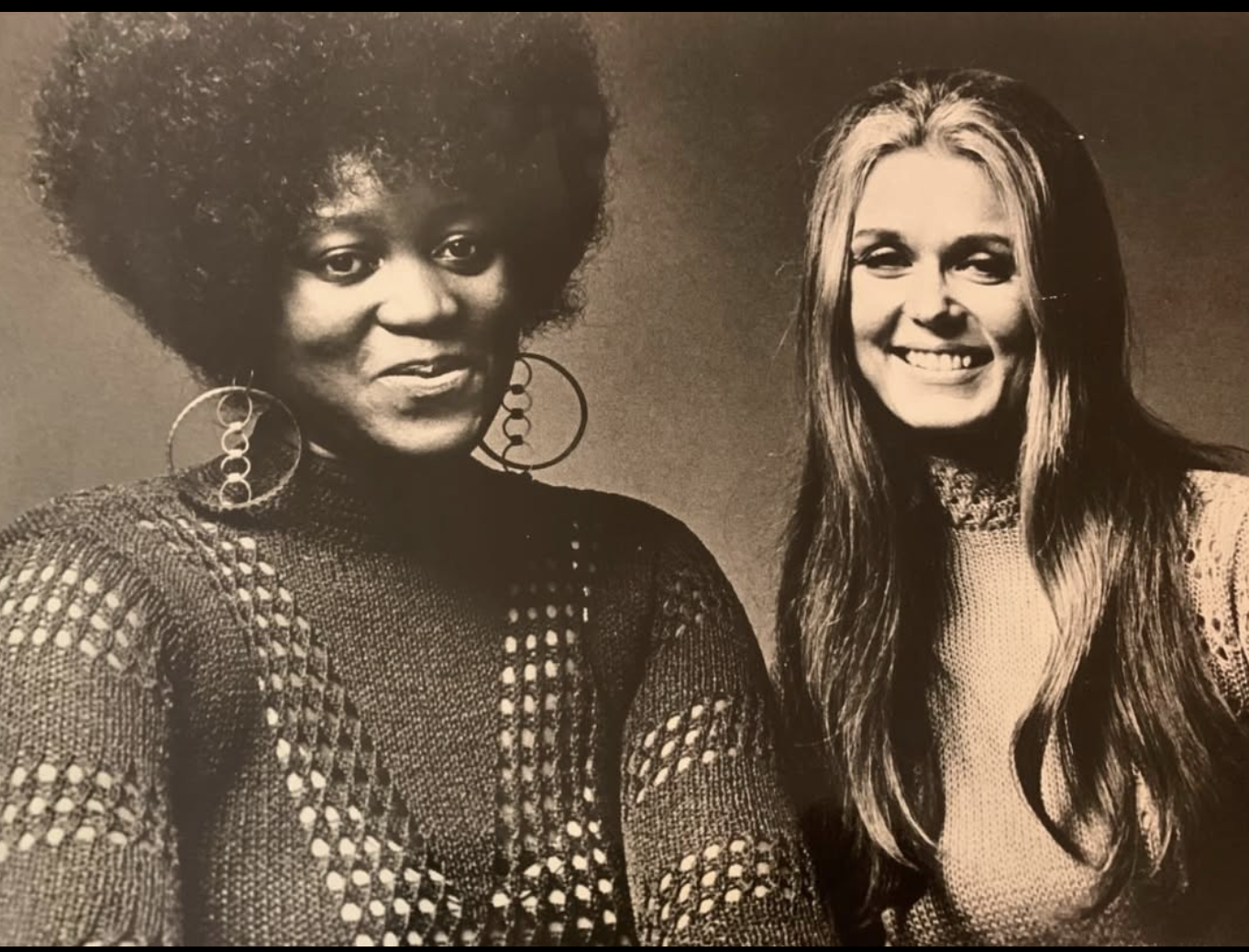
All along, Gloria and Dorothy recognized that their interracial friendship and work within the women’s movement faced challenges from the media, Black activists, and white housewives. In 1971, they decided to combat the various misrepresentations of their work head-on by establishing Ms. magazine. Lovett notes, “Dorothy did not write for the magazine, but articles related to children, gender roles, and childcare appeared regularly.” (76) Her influence on Gloria remained consistent throughout their lifetimes.
In the 1980s, Dorothy explored a new community initiative by establishing the Harlem Copy, Printing and Stationery Co. to help community members gain access to “copying, typing, and printing services, as well as tutoring.” (96) She also sold African American literature that was hard to find in mainstream bookstores. She hoped her neighbors would utilize the space to prepare organizing materials and disseminate seminal activist writings. Various locations of the store stayed in business until the end of 1999, when the high price of sustaining a business in the city became too much for Dorothy to sustain.
Frustrated with this defeat, in 2000 Dorothy turned her thoughts into the book, Wake up and Smell the Dollars! Whose Inner City Is This Anyway? One Woman’s Struggle against Sexism, Classism, Racism, Gentrification, and the Empowerment Zone. In 2012, she published I’m Just Saying…It Looks Like Ethnic Cleansing: The Gentrification of Harlem which further rejected the process of gentrification at the expense of local communities. And in the meantime, she moved from Harlem to Jacksonville, Florida.
In the final years of her life, Dorothy helped her family advocate for the right to purchase their homestead by founding the Charles Junction Historic Preservation Society. She also established Dorothy’s Jacksonville Community Garden Projects in 2010/2011 to offer “a sense of empowerment for both children and adults” in her new community. (117) And in 2017, she and her friend Gloria recreated their iconic photo to demonstrate their shared lifetime of activism.
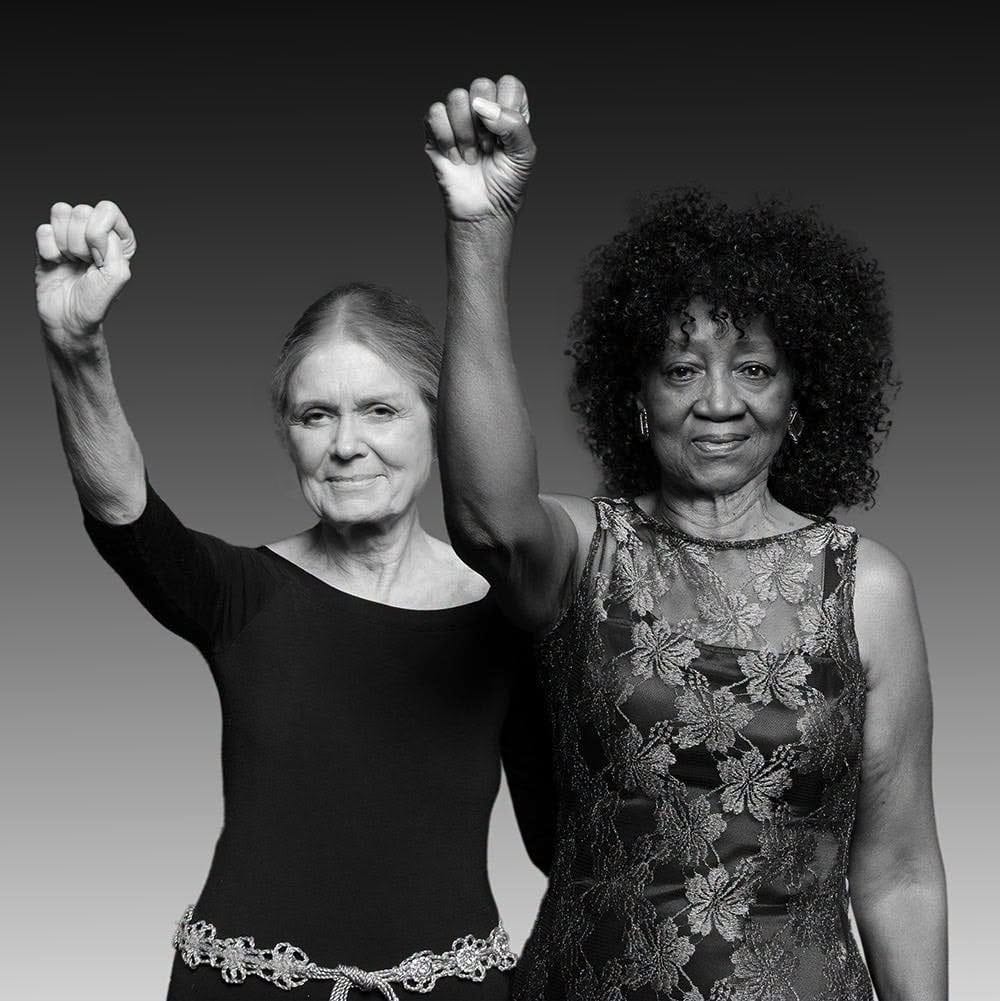
As Lovett concludes,
Dorothy’s life is a testament to the power of partnerships, the impact of community action, and the ability to confront and overcome racism at a personal level. Her photographs with Gloria can be read as symbols both of hope and of how much remains to be done. (118)
Dorothy’s story is a powerful example of what one person can do to make their community a better, more connected place. While Gloria Steinem is a more recognizable name within the history of the U.S. women’s movement, I appreciate that Lovett worked hard to add Dorothy’s contributions to the record. In the book’s introduction, Lovett emphasizes:
Writing as a white historian about a Black feminist would take care and self-reflection on my part. If Dorothy was going to place her trust in me, I had to get the history right. (x)
I commend historians who do the difficult work of acknowledging their positionality and reflecting openly on what authority they do and do not bring to their research. Julia C. O’Hara’s recent article on teaching Latin American History as a non-Latine person exemplifies this idea by arguing that educators should actively disclose their social and professional identities with their students. She shares:
I acknowledge that I am neither Mexican nor Latina, that my expertise derives from academic training rather than lived experience, and that this shapes both what I can contribute to their learning and the limitations of my perspective. I also stress the strengths and limitations of historical analysis as a method, and stress that all historians endeavor to tell someone else’s story. (150)
Honest meditations on who we are and what we bring to the table help to pave the way for more reliable historical research. We not only establish more credibility and trust by revealing our motivations and shortcomings with our students and research subjects, but we also model more open forms of communication and connection that the world so desperately needs right now.
Learn More:
- Read Gloria Steinem’s tribute to Dorthy Pitman Hughes
- And watch CBS This Morning’s tribute.
- Peruse a review of Laura L. Lovett’s biography in Ms.
- Enjoy Janelle Monáe as Dorothy Pitman Hughes in The Glorias (2020)