Fu Pei-mei

One of my favorite things to do is look through old cookbooks and family recipes. I am lucky to have books from my mother and grandmother along with a collection of loose recipes in their handwriting, typed out, or even clipped out of newspapers and magazines.
Looking at recipes can tell you a lot about the time period, place, and circumstances of the cooks who created them. It’s easy to spot which recipes were developed just after canned-soup-based casseroles became all the rage, when Jell-O was having its moment, or when everyone assumed you pretty much already knew how to cook and didn’t need things like specific measurements or detailed instructions.
I also loved watching someone on television prepare new-to-me dishes while making it look effortless. Growing up, my family actively tuned in to PBS cooking shows like The Frugal Gourmet, Louisiana Cookin', New Southern Cooking with Nathalie Dupree, Yan Can Cook, and my personal favorite, The French Chef. (I’ll have to do a separate post on Julia Child someday).
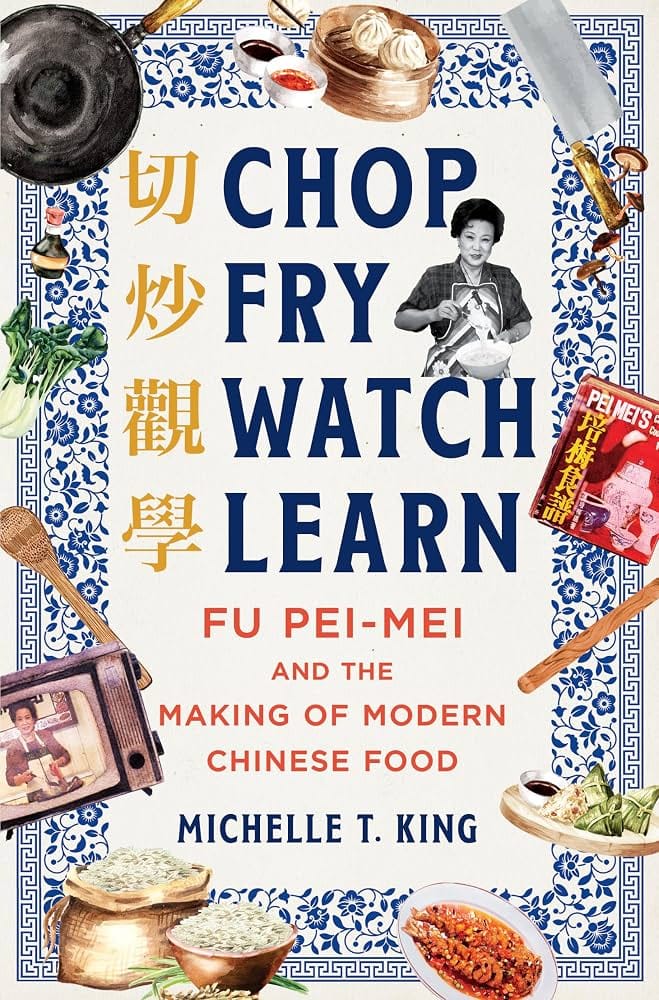
When my friend Anna recommended Chop Fry Watch Learn: Fu Pei-mei and the Making of Modern Chinese Food by Michelle T. King, I was excited to learn more about a television chef who was “introduced as the ‘Julia Child of Chinese cooking’ to American audiences by the New York Times in 1971.” (57)
Fu Pei-mei (1931-2004) left mainland China for Taiwan when she was 18. Along with her father and brother, she moved to the island in 1949 in allegiance with Chiang Kai-shek’s national government against the growing influence of the Chinese Communist Party. By the end of that year, the Communist Party established the People's Republic of China under the leadership of Mao Zedong and closed the door on emigration. Consequently, many families were separated by the political strife. It took 16 years for Fu’s mother to join the rest of her family. In the meantime, Fu married and had three children but had to figure out on her own how to prepare meals.
As food writer Luke Tsai notes:
The somewhat unglamorous origin story of how Fu Pei-mei became one of the world’s great authorities on Chinese cooking came down to this: Her husband complained about her cooking. Fu often told the story of how he would invite his friends over to their Taipei home to play mahjong, and afterward he would give her a hard time about the terrible food she’d served their guests. (She Raised a Generation of Taiwanese Home Cooks)
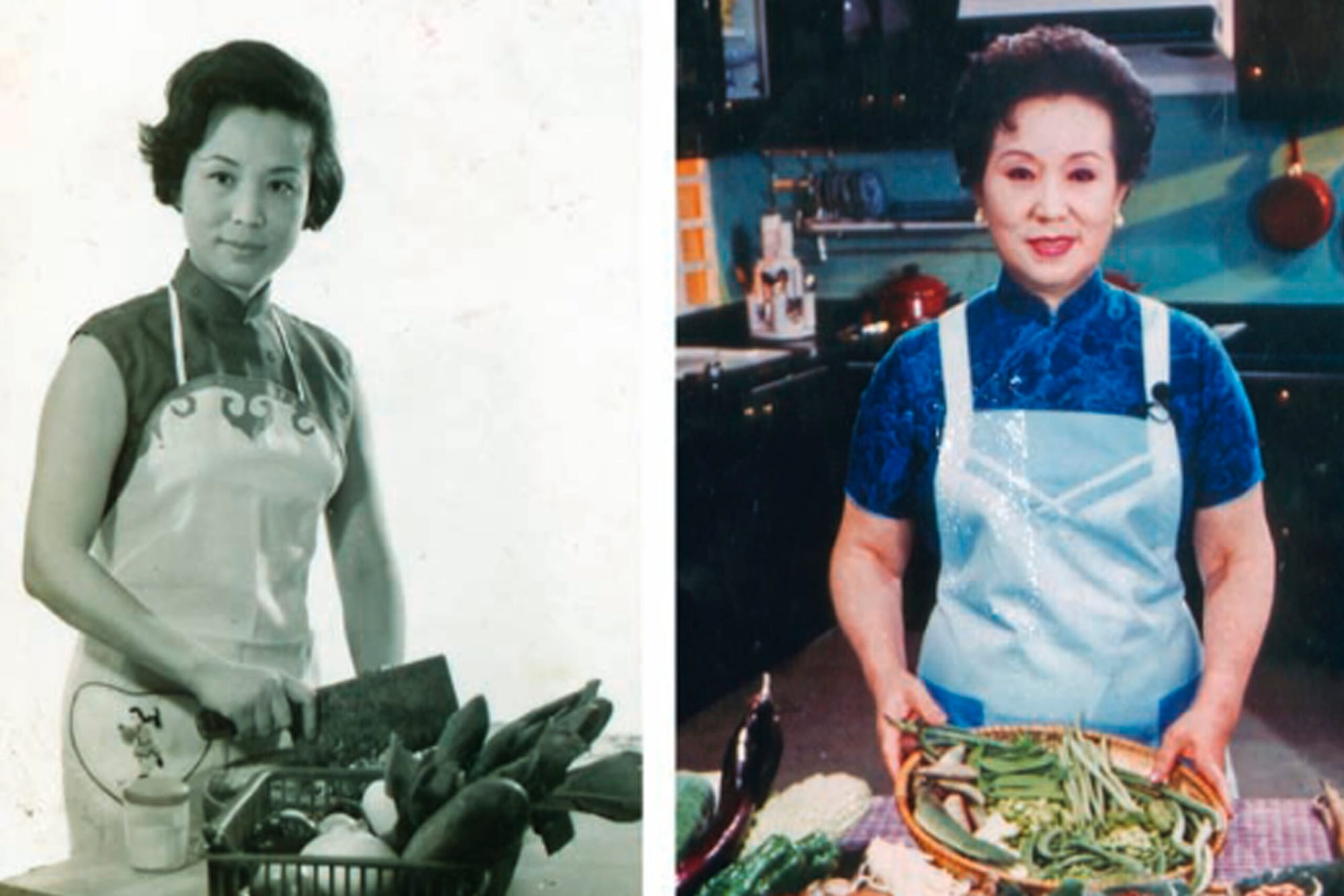
Without a network of female family and friends nearby, Fu reached out to restaurant chefs to see if they would give her Chinese cooking lessons. While their demonstrations were often quick and concise, Fu made close observations and practiced the dishes at home until she felt competent. Afterward, she helped to cultivate a local community of young women from mainland China in similar circumstances by sharing what she learned and dutifully giving detailed instructions. As King notes, “Housewives appreciated her honest and direct approach. She was one of them, a home cook, not a professional trained chef (a career path open only to men at the time.” (46) Interest in learning from her soon prompted Fu to start teaching cooking classes in the 1950s. And in 1962, one of her students put her touch with a television producer.
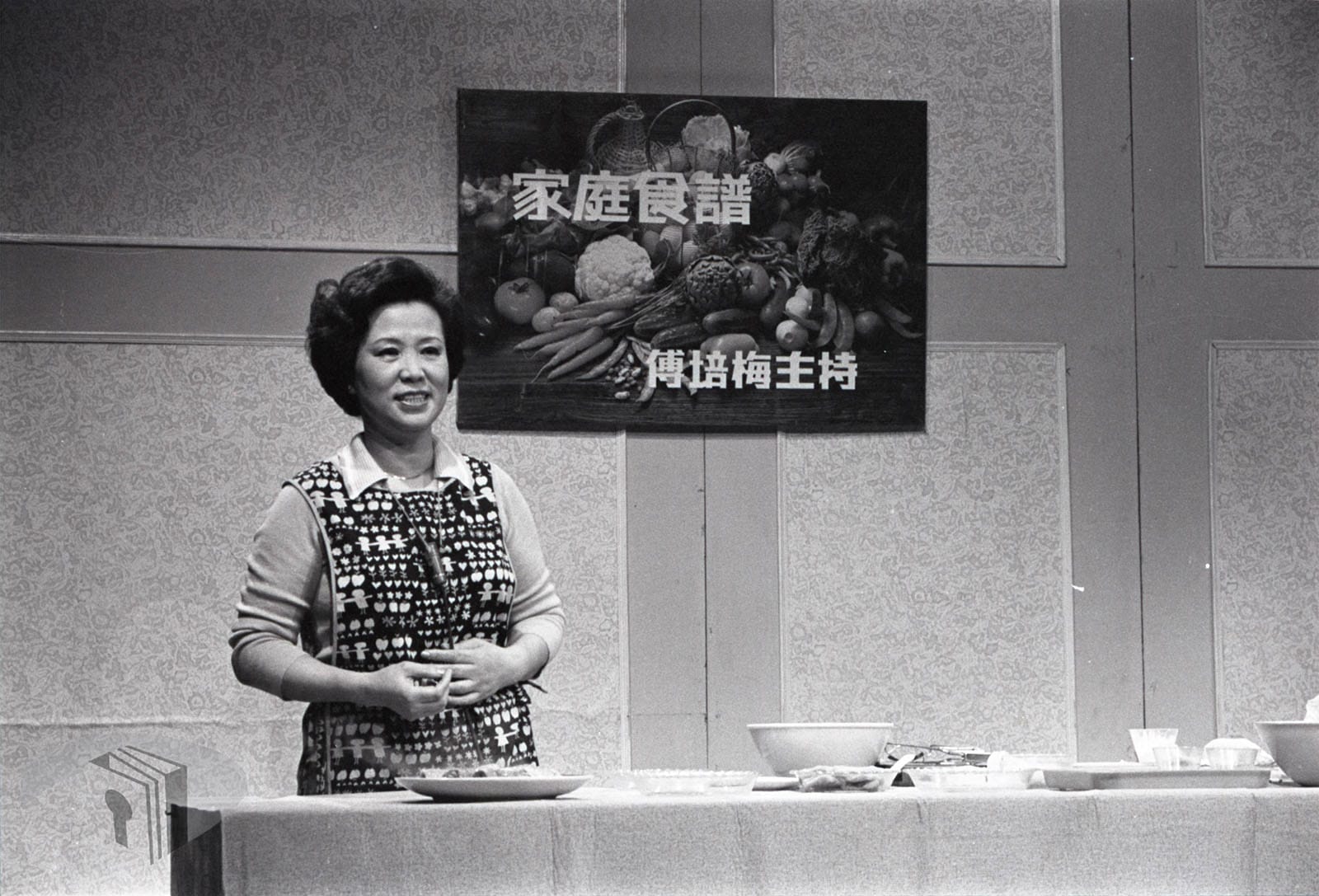
As part of a weekly live-broadcast women’s program, Fu had a twenty-minute time slot to prepare a dish using a brazier as her only cooking element. As King notes, “Television gave housewives in Taiwan a whole new way of learning what and how to cook.” (57) She also points out that Fu’s first broadcast aired months ahead of Julia Child’s The French Chef, demonstrating Taiwan Television’s early recognition of the power of this new medium.
In addition to her masterful knife skills and swift cooking abilities, Fu’s “comprehensive survey of Chinese regional cuisines united an otherwise fractious and fragile nation, brought together by the universal Chinese appreciation for good food.” (67) Her decision to include dishes from the Northern, Eastern, Southern, and Western regions of China demonstrated “a modern, national sensibility in cooking across regional lines.” (74)
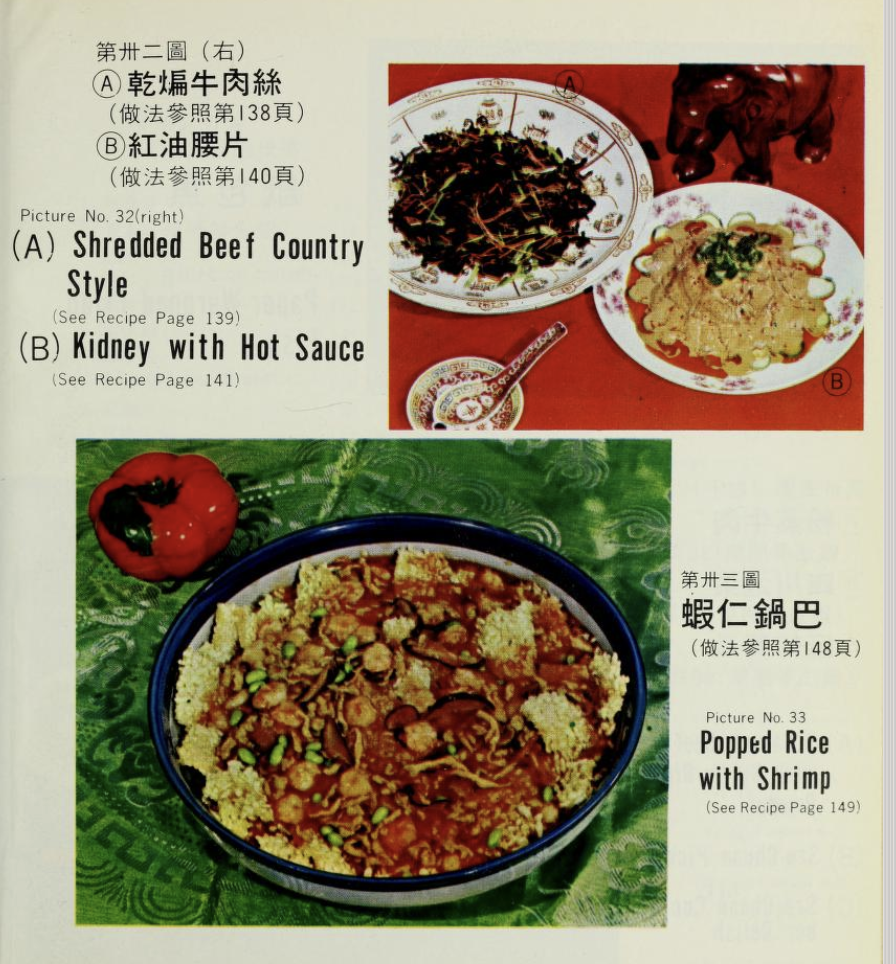
In 1969, Fu published her first cookbook, Pei Mei's Chinese Cook Book. Eager to reach a broader audience, Fu decided to make her book bilingual, offering each recipe in Chinese and English. Over the next ten years, she completed two additional volumes. The cookbooks allowed Chinese migrants the chance to recreate some of their beloved family dishes anywhere in the world and also introduced more cooks around the world to Chinese cuisine. It was only in the 1990s, after devoting herself to learning more about local cuisines on the island, that Fu published her first Taiwanese cookbook, Delicious Taiwanese Cuisine: Traditional Tastes and Modern Trends. Overall, people throughout Taiwan, China, and the Asian diaspora loved to learn from her.
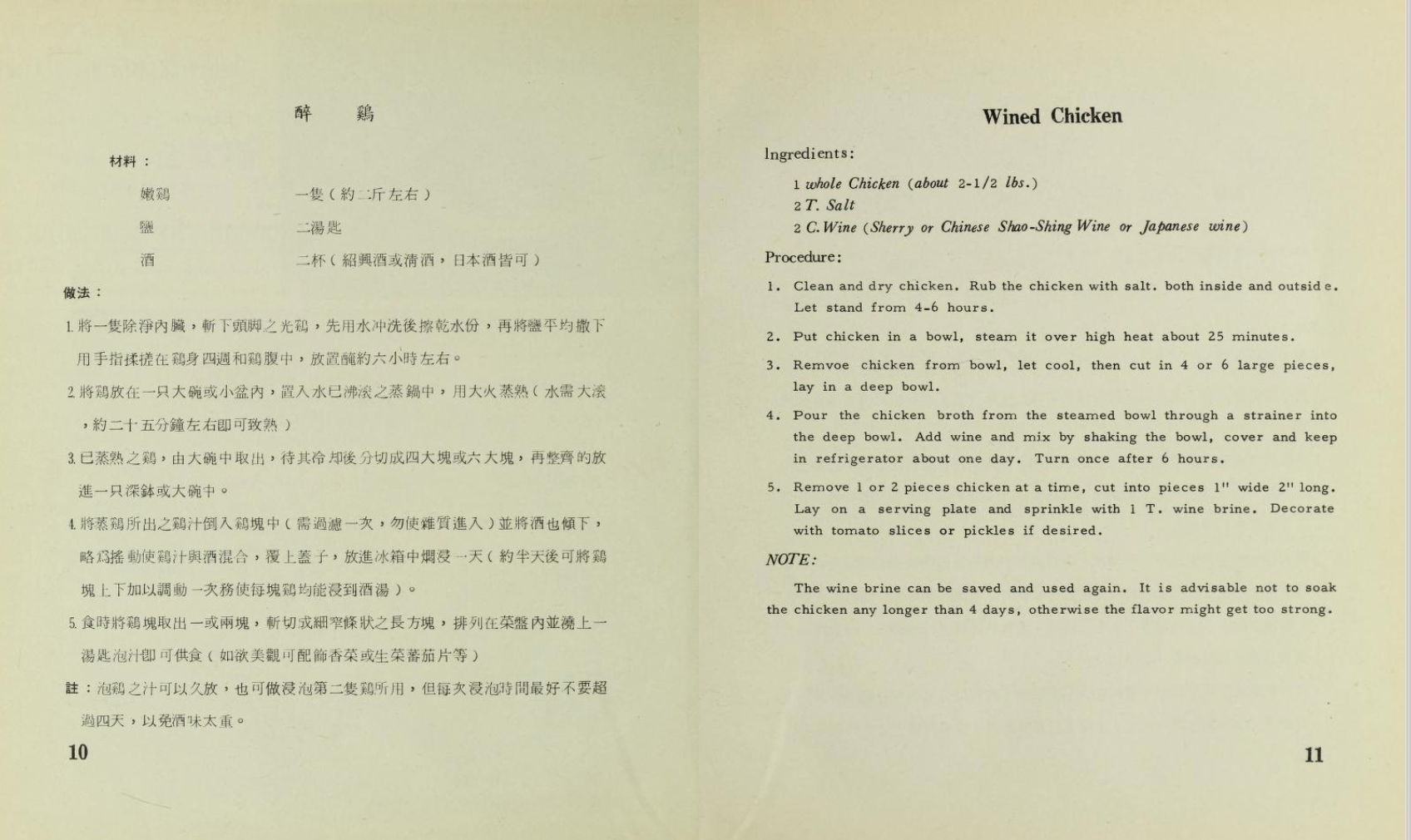
King recalls:
I grew up with Fu Pei-mei’s cookbooks on my mom’s cookbook shelf during my childhood in Michigan in the 1970s and 80s. I always thought of her as “that cookbook lady”—at the time I had no idea that she was a huge celebrity in Taiwan, having taught cooking shows on television for forty years.
It really wasn’t until after I had my own children that I found myself flipping through Fu’s cookbooks once again, looking for easy Chinese recipes to make for them. Now I noticed things in the cookbook that I had never paid attention to as a child—photos of Fu shaking hands with VIPs, teaching foreigners, traveling the world, and heaps of newspaper clippings about her. That’s when I got excited and thought—hmm, maybe there’s more to discover about Fu Pei-mei. (Michelle T. King)
Indeed, although Fu did have an illustrious career as both a cooking instructor and television program host, she also participated in several cutting-edge food consultations with “industrial food companies, fast-food restaurant chains, food industry agencies, and a commercial airline” in the 1960s-1980s (159). She helped food labs develop packaged products that could easily be reheated in an effort to bring better food to the tables of working-class families.
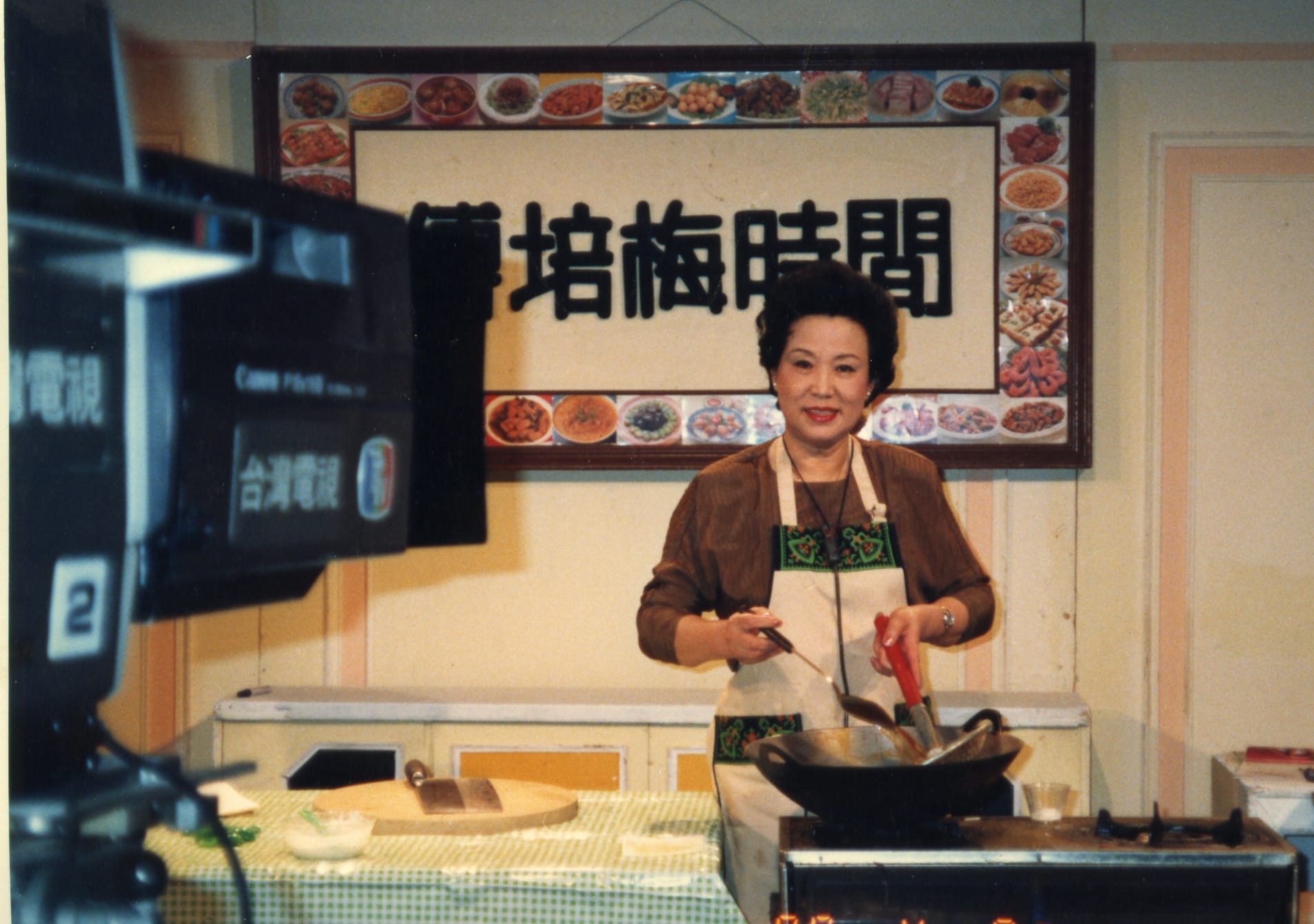
She continued to host her cooking program (which changed names and setups a few times) until 2002. Not long after retiring, she passed away from liver cancer. Yet her legacy was far from over. As King concludes:
By the end of her career, Fu had become such a television icon that viewers watched her for different reasons—as a kind of vicarious entertainment, as a kind of warm mother figure, to see what sort of delicious dish she would demonstrate that day—before they happily headed out to their favorite stall vendor to pick up a bowl of beef noodles, or even more conveniently, open up a package of Fu’s own instant ramen, to eat in their sparkling clean kitchens. (175)
It’s nostalgia that keeps drawing me back to this story. I love the amount of detail King includes in her analysis of Fu’s influence. She utilized a diverse collection of Chinese and English sources:
including Fu’s own autobiography, cookbooks, recipes, newspaper articles, women’s magazines, essays and books by Chinese epicureans, short stories and novels, Taiwan’s early equivalent of the TV Guide, print advertisements, photographs, maps, political posters and writings, radio and television broadcasts (including Fu’s own cooking show), a fictionalized television series about Fu’s life, YouTube videos, Instagram posts, blogs, and dozens of other interviews with cookbook authors, food writers, chefs, home cooks, and Fu’s own family members. (xxi)
King’s work reminds me of the significance of all those little scraps of paper my family has with recipes on them, all the memories of making food together, and/or watching together as television chefs made it. We often think of historical artifacts as being things touched by famous people, but in reality, they include anything that helps us remember the past.
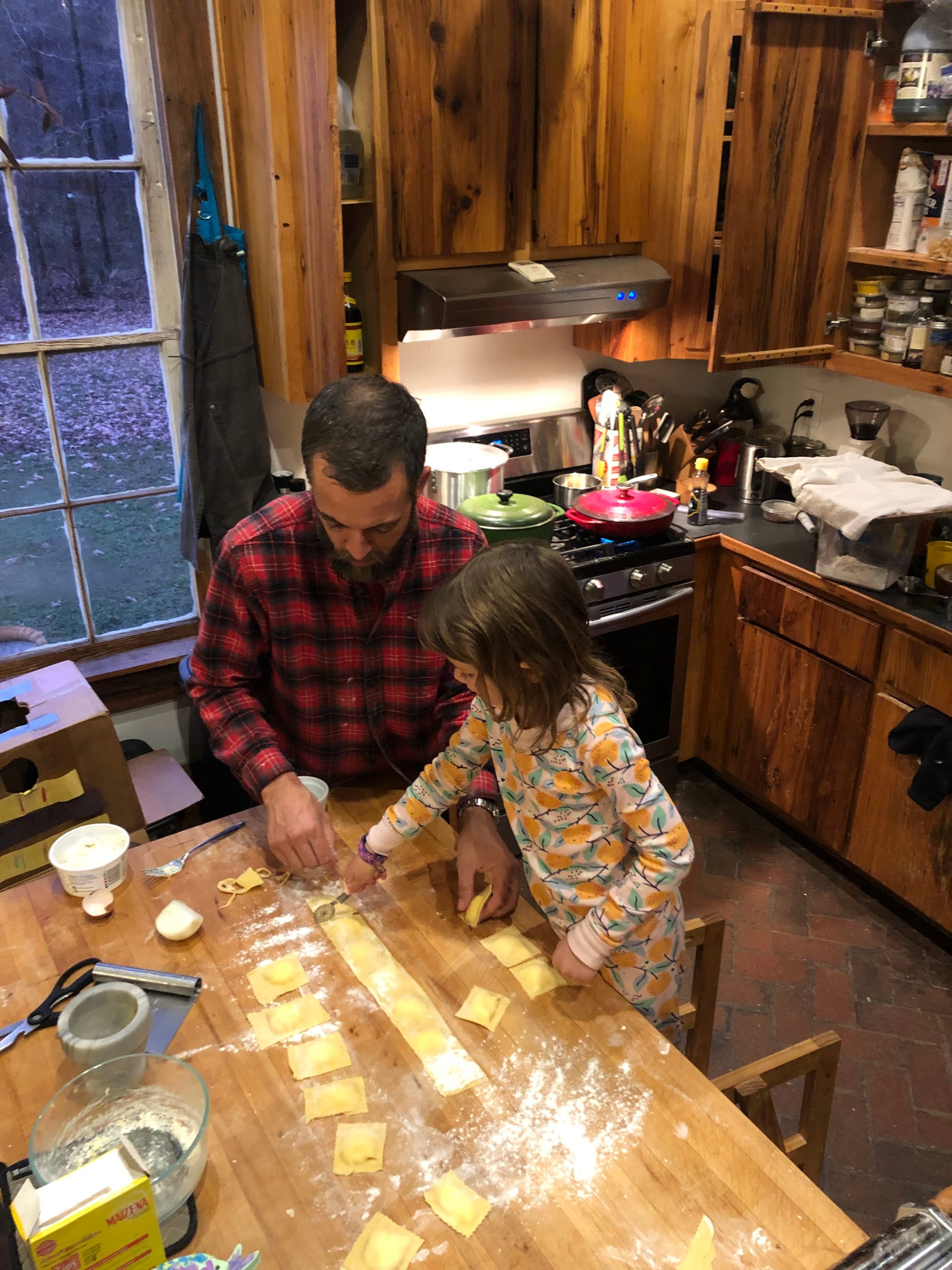
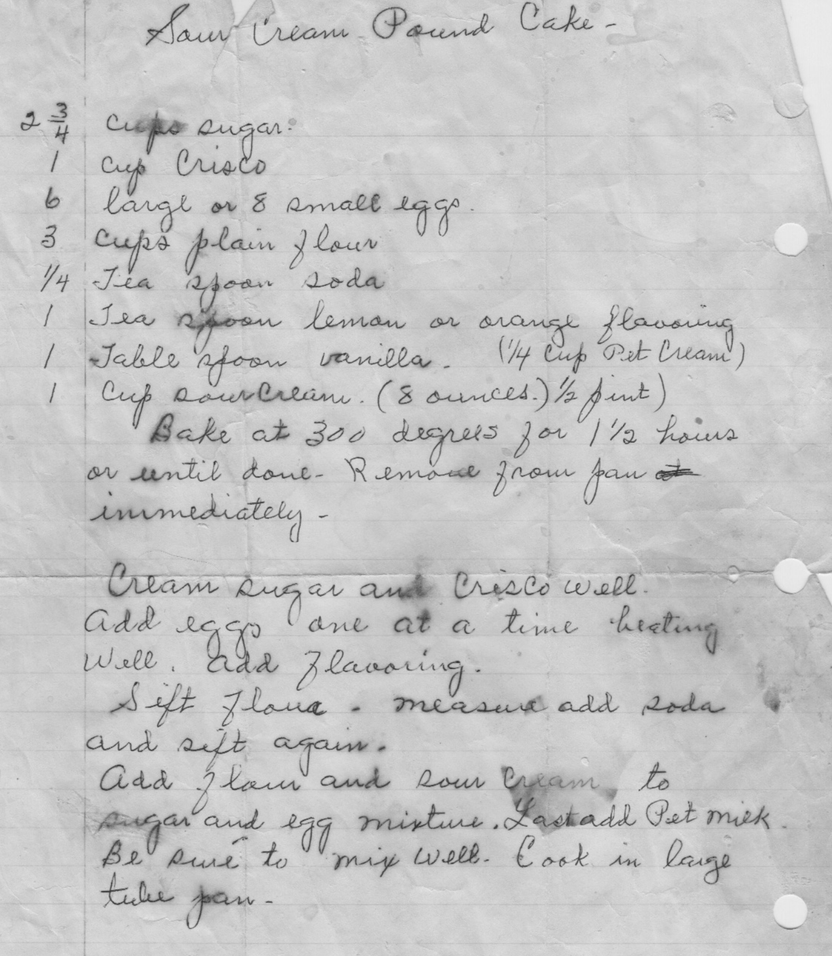
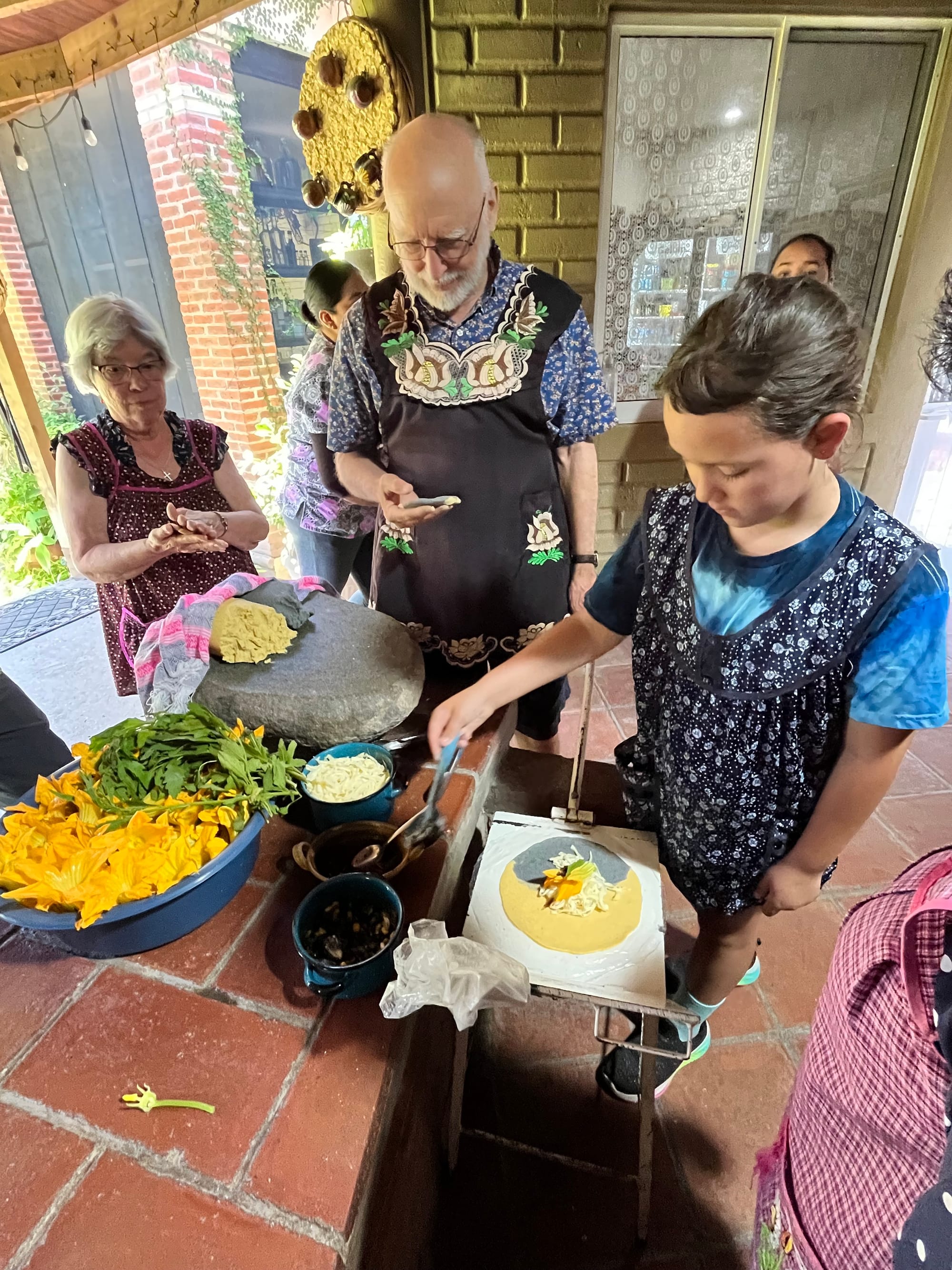
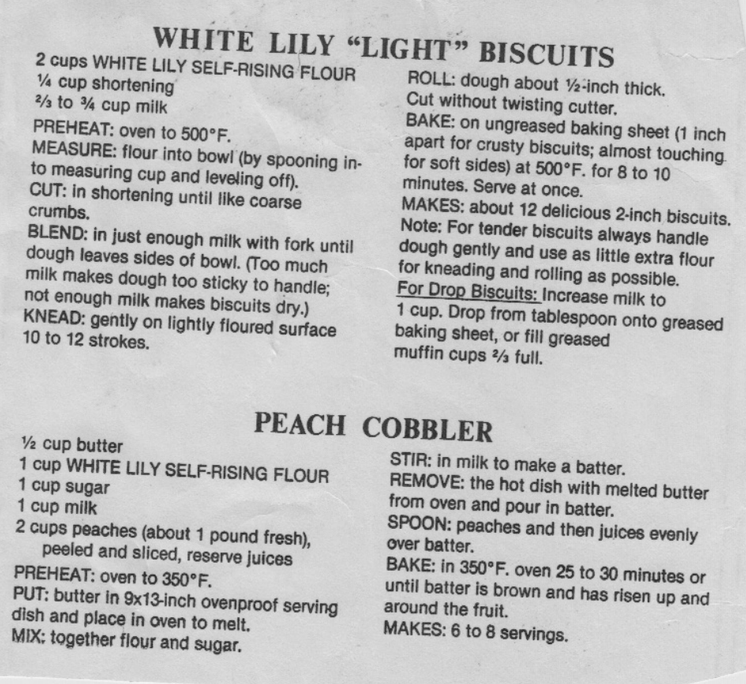
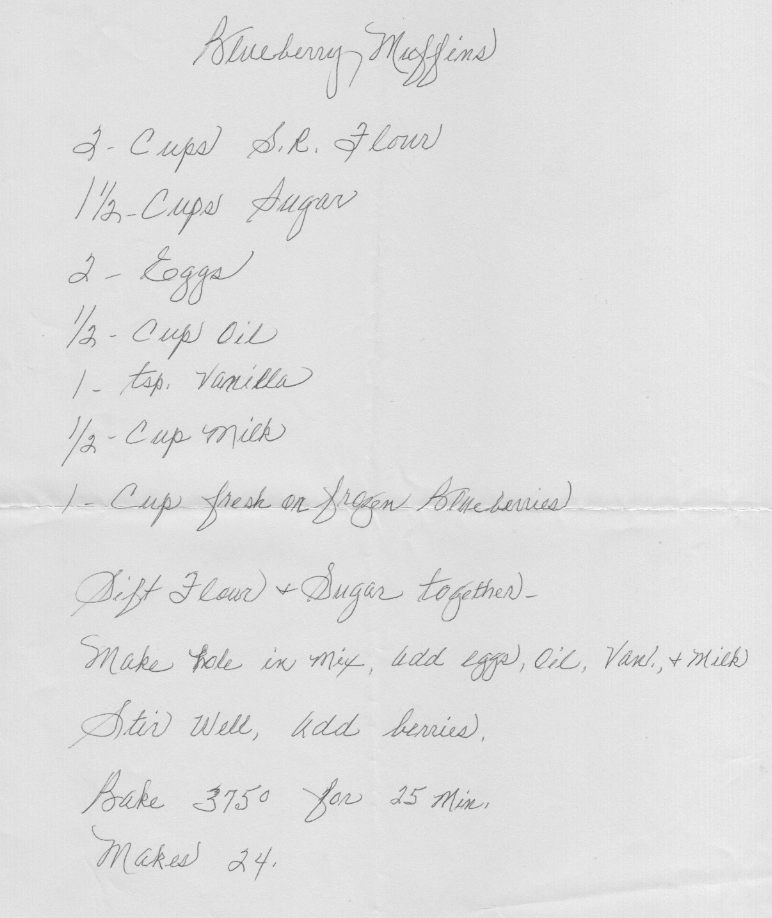
Images by Stephanie Opperman
For me, Fu’s story is a gentle reminder to ask your elders when and how they learned to cook. Jot down their recipes, watch them prepare dishes, snap photos, and make note of which cookbooks they often pick up. Get in the habit of exchanging recipes with your friends, regularly making a big pot of soup and inviting people over, and developing food traditions that feel meaningful to you. Whichever option(s) you choose, be sure to document your food experiences—for your own memories and for future generations.
As King eloquently concludes:
We are always channeling culinary knowledge accumulated through our cookbooks and travels, through countless meals and family observations. With each dish we create, whether for the first time or the hundredth, we write ourselves into that story, one dish at a time. (250)
Learn More:
- Watch What She Put On The Table on Netflix *This drama series is a fictionalized account of Fu Pei-Mei’s life and includes a new Taiwanese-born character created by the producers as a nod toward the aspirational unity of the island with mainland China.
- To preview Fu Pei-Mei’s cooking show on TTV, check out these clips.
- Scroll through Jaline Girardin’s blog Pei Mei a Day to see how one modern home chef attempts to recreate Fu Pei-Mei’s recipes.