The Value of Friendship

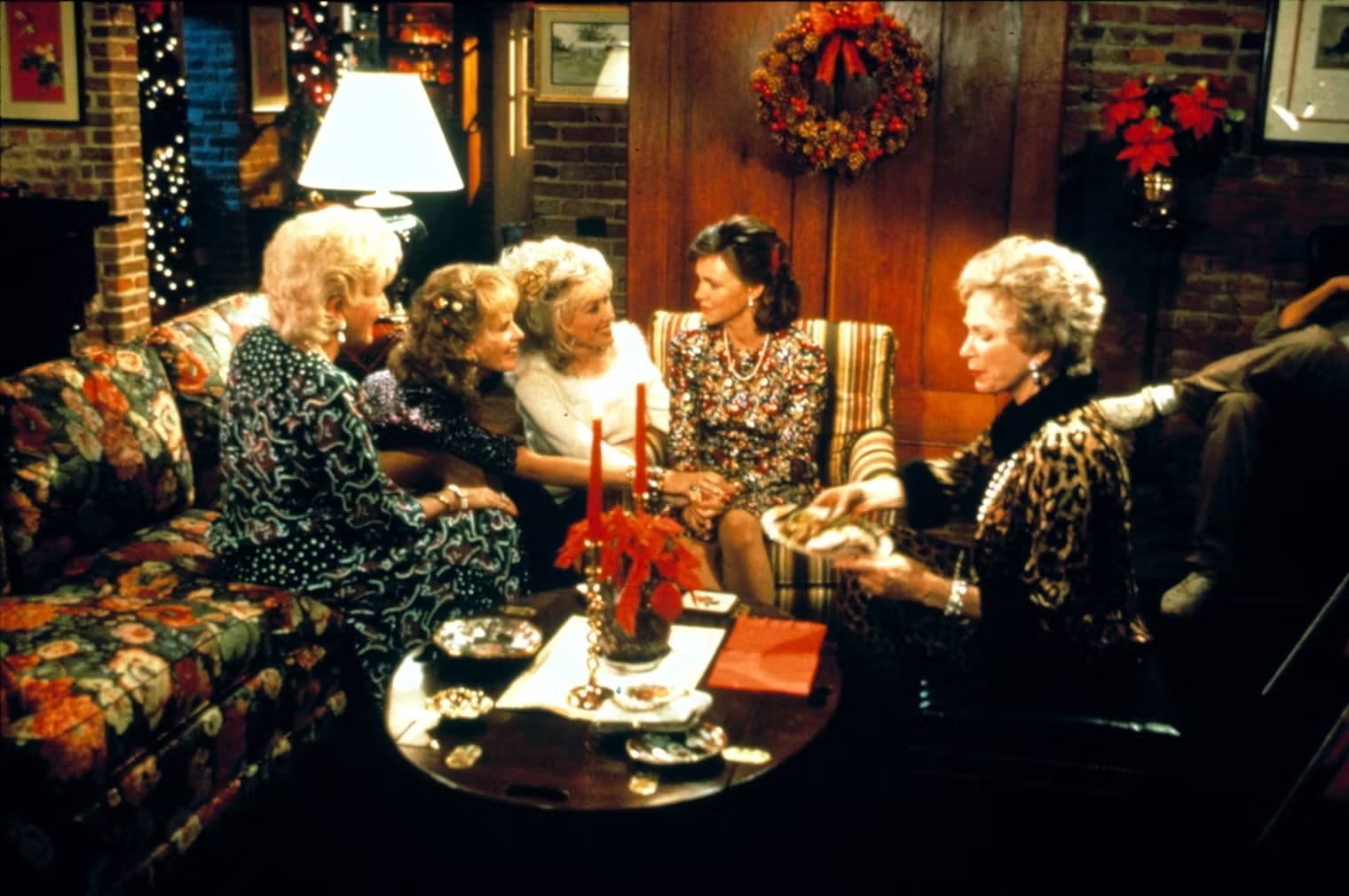
I recently celebrated another trip around the sun, happily surrounded by my family and friends. This is the final year of my 40s and I am feeling positive about heading toward a new decade.
In part, I can attribute this to my beloved friends (near and far, older and younger) who not only offer a steady dose of love and support, but also help me feel like 50 is the new 30.
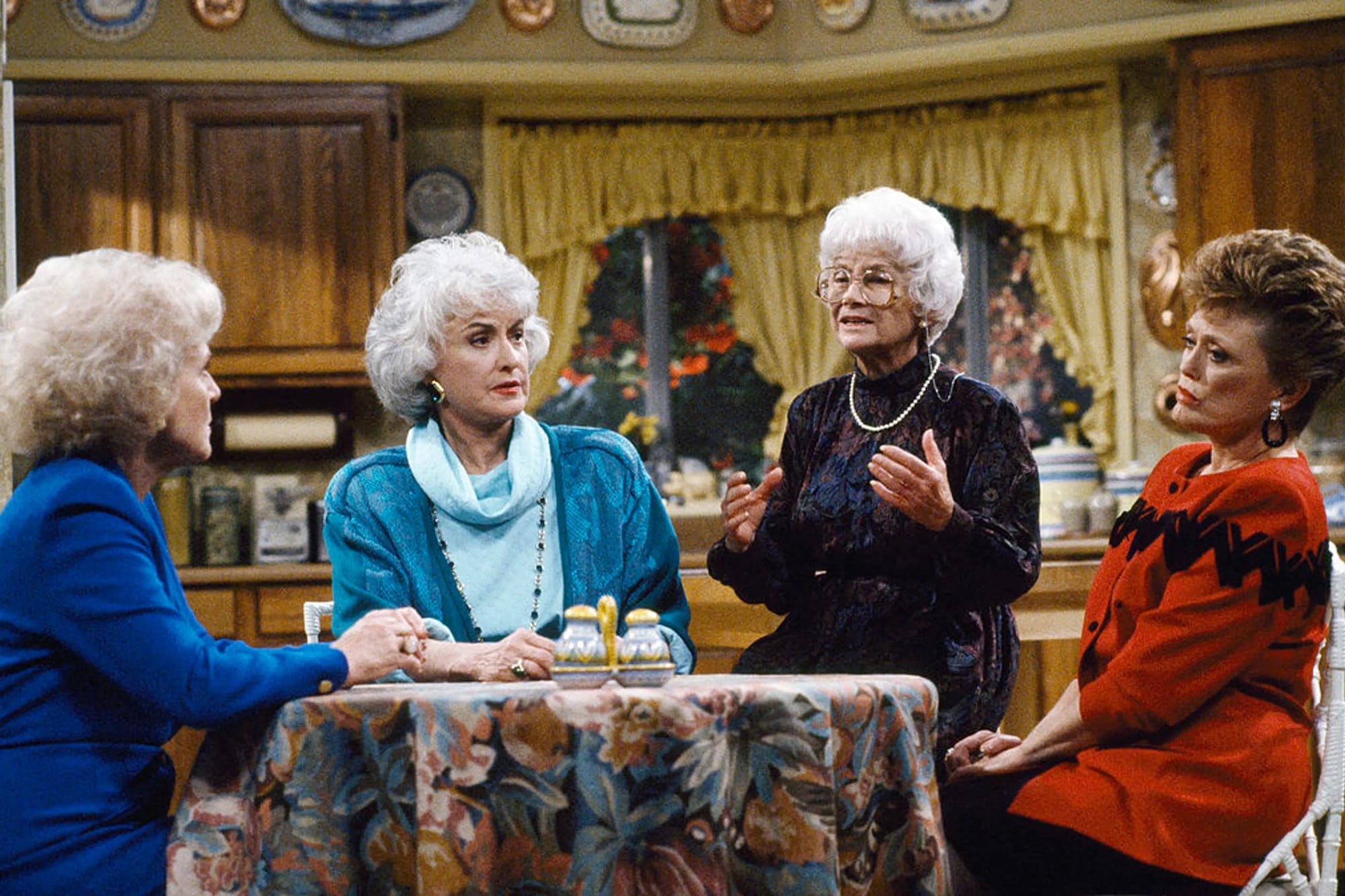
This year, I started rewatching one of my all-time favorite shows, The Golden Girls. Based on four women living together (three in their fifties and one in her seventies), the show serves as a model for a friendship-centered life. Peter C. Kunze’s article, The Woman Behind The Golden Girls, explains the appeal of the show to audiences in the 1980s and its enduring following today:
[Susan] Harris revised the family sitcom, replacing the nuclear family unit with a found family unit. (The celebration of self-selected family was one of the many reasons that the show had a strong fandom among the LGBT community.) Furthermore, it centered four older women not only as mothers and wives, but as independent, opinionated, and sexual people.
Watching Blanche, Rose, and Dorothy develop a close bond in their 50s after meeting through a roommate advertisement serves as a gentle reminder that lasting connections can happen at any stage of life. Especially if they are regularly nurtured.
Books and articles on friendship are regularly appearing in my news feed. While some of them focus on the increased rates of loneliness adults are feeling, others offer alternative ways of living and thinking in relation to friends.
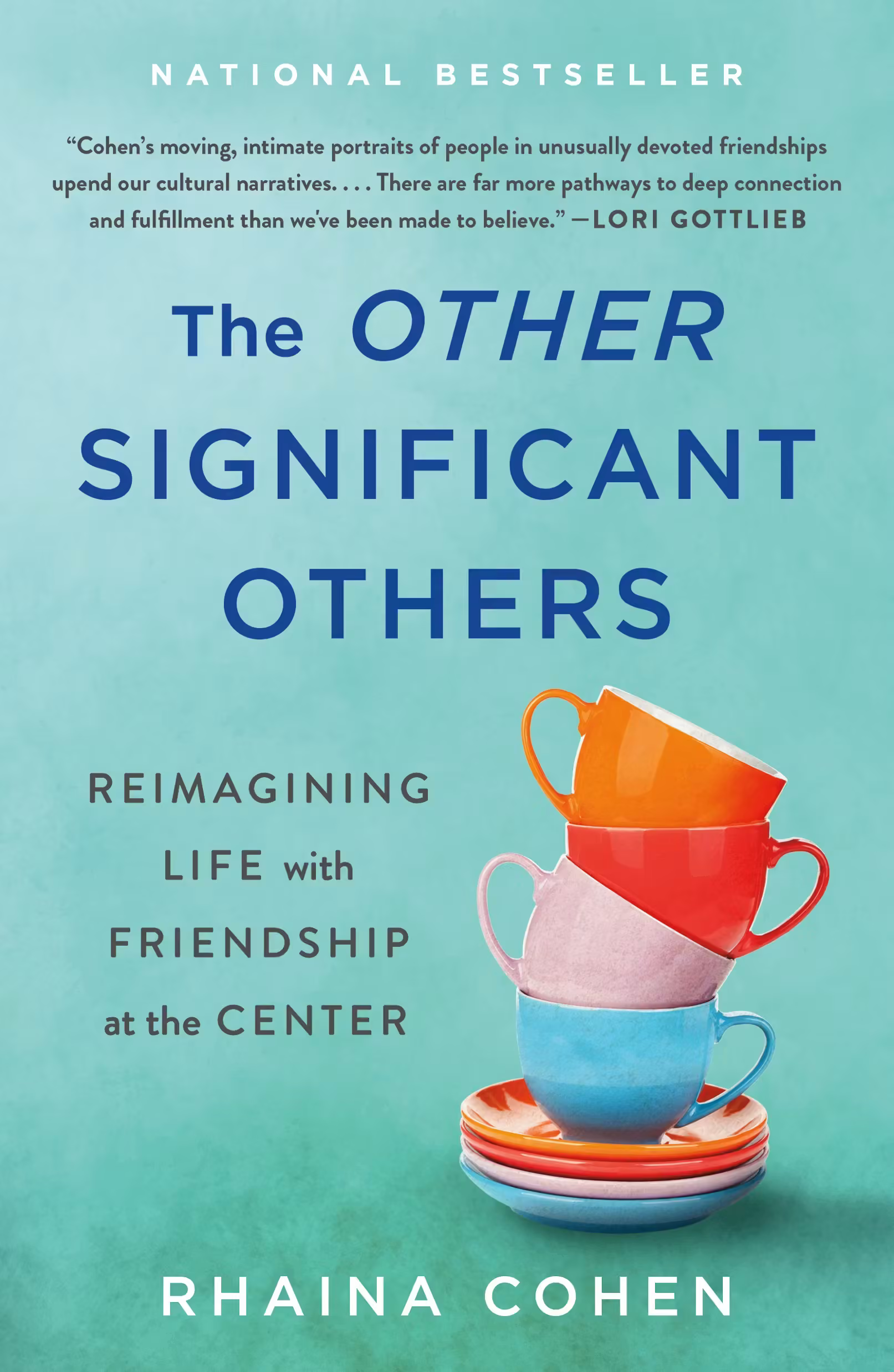
In The Other Significant Others: Reimagining Life with Friendship at the Center, Rhaina Cohen candidly reflects on the nonsensical idea of expecting your romantic partner to fulfill all of your social, intellectual, and companionable needs. Rather, Cohen argues, having more than one person in your life to serve as sounding board, confidante, and even soulmate not only broadens your capacity for connection and purpose, but also relieves some of the tension that inevitably pops up with when we place all of our wishes on one other person.
Cohen’s book offers several examples, both personal and collected through interviews, of close friends who have had to navigate the legal, religious, and social misinterpretations of serving as an asexual significant other. One of the biggest challenges Cohen mentions is the lack of language to articulate the variety of meaningful relationships in our lives. On The Ezra Klein Show, she argues:
The kind of language issue came up again and again, where people would come up with a term, like platonic life partner or platonic soul mate to nonromantic life partner, whatever, and it would maybe be accurate. But people didn’t get what it was, so was the language really doing anything?
And then on the flip side, there were situations that I write about in the book, where people are in the hospital. And then they refer to their friend as their sister or as their wife because they’re like, well, the thing that matters is that people get the connotation right even if the particularities aren’t right. And I think that’s a terrible thing to not be able to communicate what one of the most important people in your life means to you and to have to hang on language that really might not do justice to the relationship or give people the wrong impression about it. So it feels like a big gap to fill in right now.
Ultimately, her book argues that working toward a more welcoming understanding of relationships, one that is inclusive of our bosom friends or “other significant others,” allows us to broaden our capacity for connection and care. As Cohen states in the podcast, while staying committed to one romantic partner, “I wanted to have multiple people in my life, both to enjoy the richness of each of their personalities and experiences but also so that, when things are bad, you aren’t down to one person or, if things end, down to zero.”
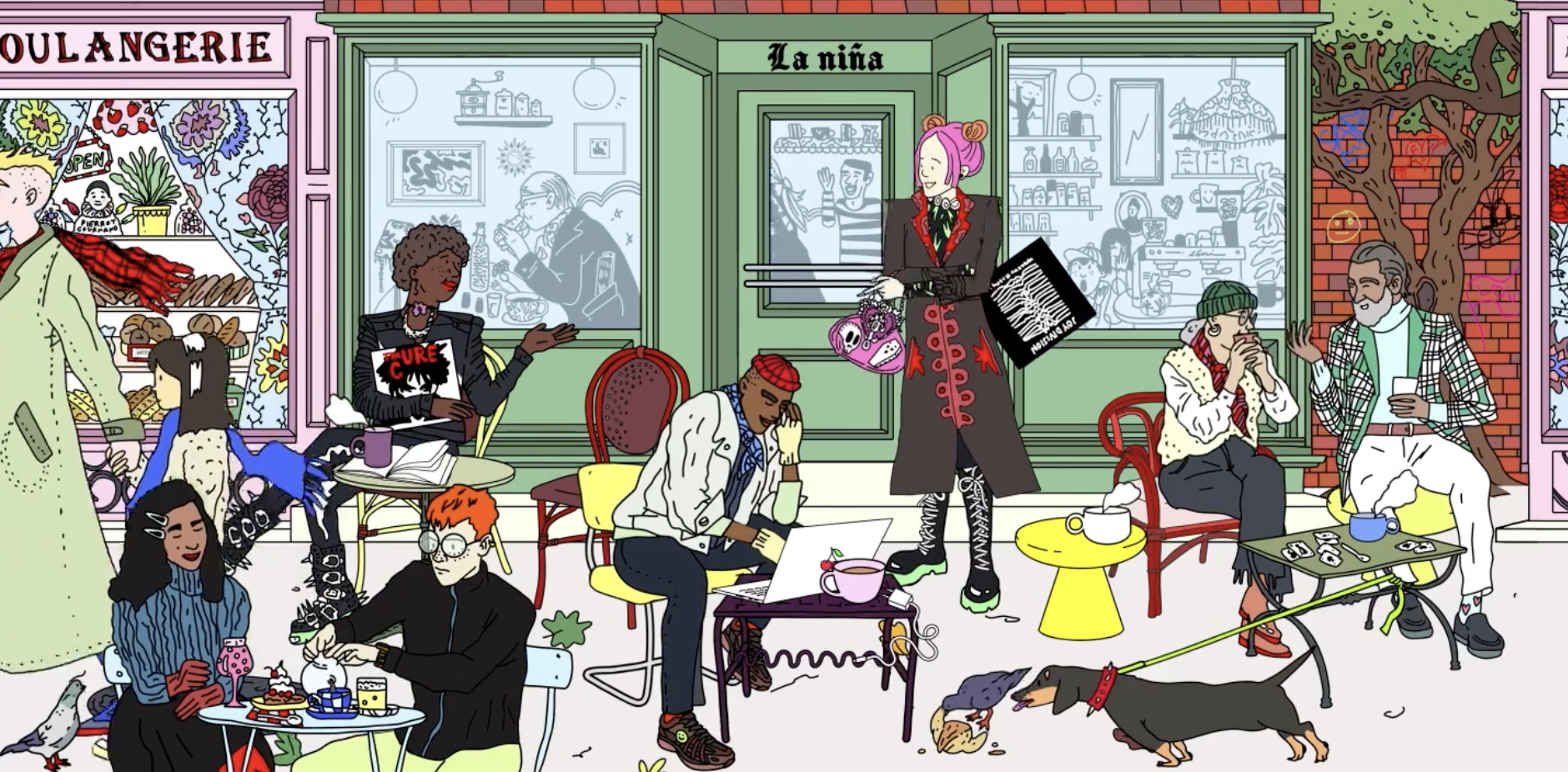
Columnist Pranav Jain reflects on the ways we can lose close friendships as we develop our long-term romantic partnerships because society does not encourage us to sustain other types of relationships. In his article, The quiet grief of adult friendship, Jain argues that friendship has moved further down the hierarchy of adult responsibilities. Most of us base our lives around ideas of productivity at work, at home, and in the name of self-growth. As a result, friendship moves to the back burner. Many of us look to social media as a consolation prize for maintaining connections with those we no longer see in person.
Jain argues that sustaining friendships within these internal and external constraints requires returning to the intentional commitments we shared with our friends as children. He writes:
Friendship…has always depended on a certain irrational generosity. A willingness to waste time together magnificently. To listen to the same anxiety for the fifth time. To sit through silence. To remain available without agenda.
And perhaps this is why adult friendship feels increasingly radical. It resists the transactional logic modern life rewards everywhere else. Because a real friend offers something profoundly rare: unoptimised presence. Family is structured by blood. Marriage by institution. Work relationships by utility. Friendship survives purely through mutual choosing. Nobody has to stay. And yet some people do.
Despite impossible schedules and emotional fatigue, some friends continue returning. They send memes during meetings. They remember your important dates. They call you out-of-the-blue. Not because it is convenient. But because somewhere, beneath all the exhaustion adulthood imposes, they still consider your inner life important. Sometimes it is simply the stubborn decision to keep returning to people despite the world constantly training you to prioritise everything else.
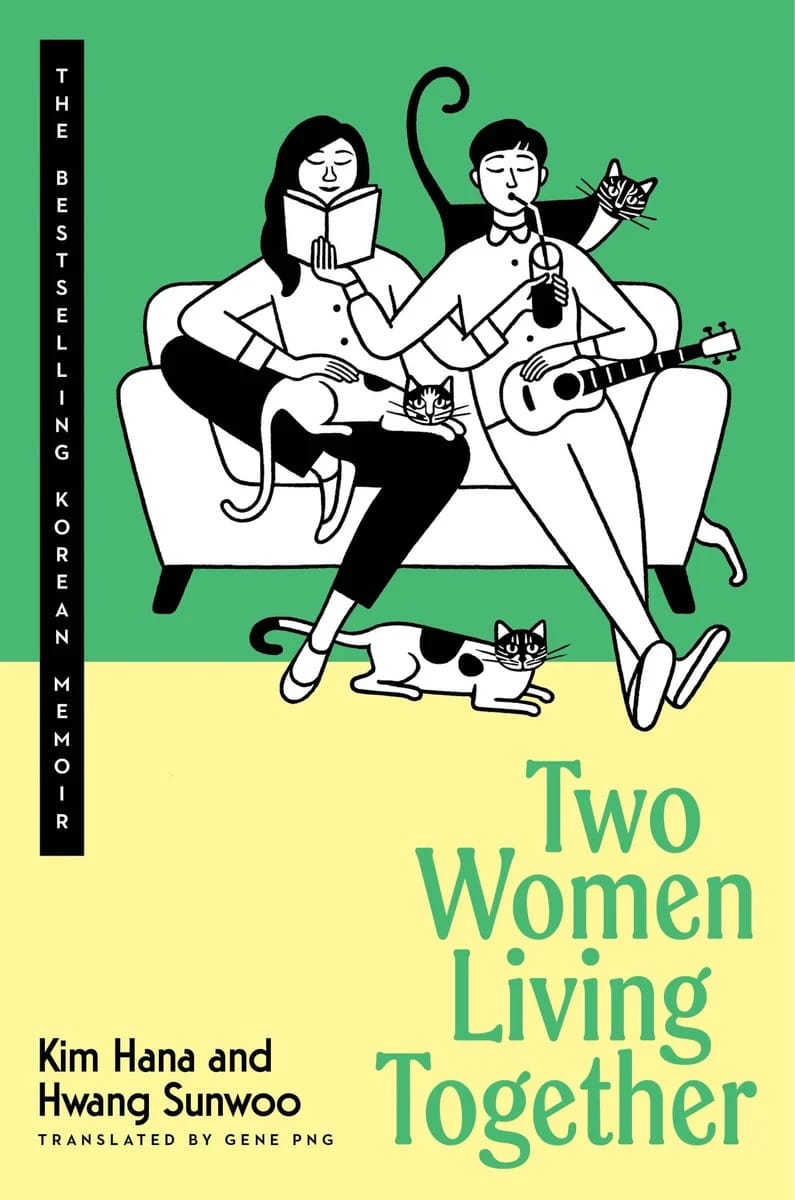
Kim Hana and Hwang Sunwoo’s recent book, Two Women Living Together, translated by Gene Png, offers a deep dive into the realities of intentionally choosing to co-habitate as friends. In alternating chapters, the two authors share their experiences with combining financial responsibilities, dividing chores based on skills, serving as a legal “primary guardian” to each other, and becoming the stand-in “son-in-law” at family gatherings.
In one chapter, Sunwoo addresses the outdated welfare policies that limit the ability of friends to look after one another. As she argues, “The way people live evolves faster than any law, institution or concept.” (109) From this foundation, she concludes with a strong defense for laws that support chosen family connections:
To devote one’s life to another by marriage is a beautiful thing. But so is the labour of looking after someone during a particular season of life. If not-withstanding blood and marital ties, individuals are willing to devote themselves to caring for others, it is only right that they are well supported by laws and institutions. As family structures become healthier, stronger and more diverse, the aggregate happiness of the society they form is bound to increase, too. (109)
In another chapter, Hana discusses the difficulty of merging her belongings with Sunwoo’s after years of each living alone. Rather than simply choosing the better quality item, the real challenge was to intentionally design the home they wanted to share. As Hana writes, “The best partner isn’t someone whose lifestyle matches yours, but someone who is willing to put in the effort to create a lifestyle with you.” (57)
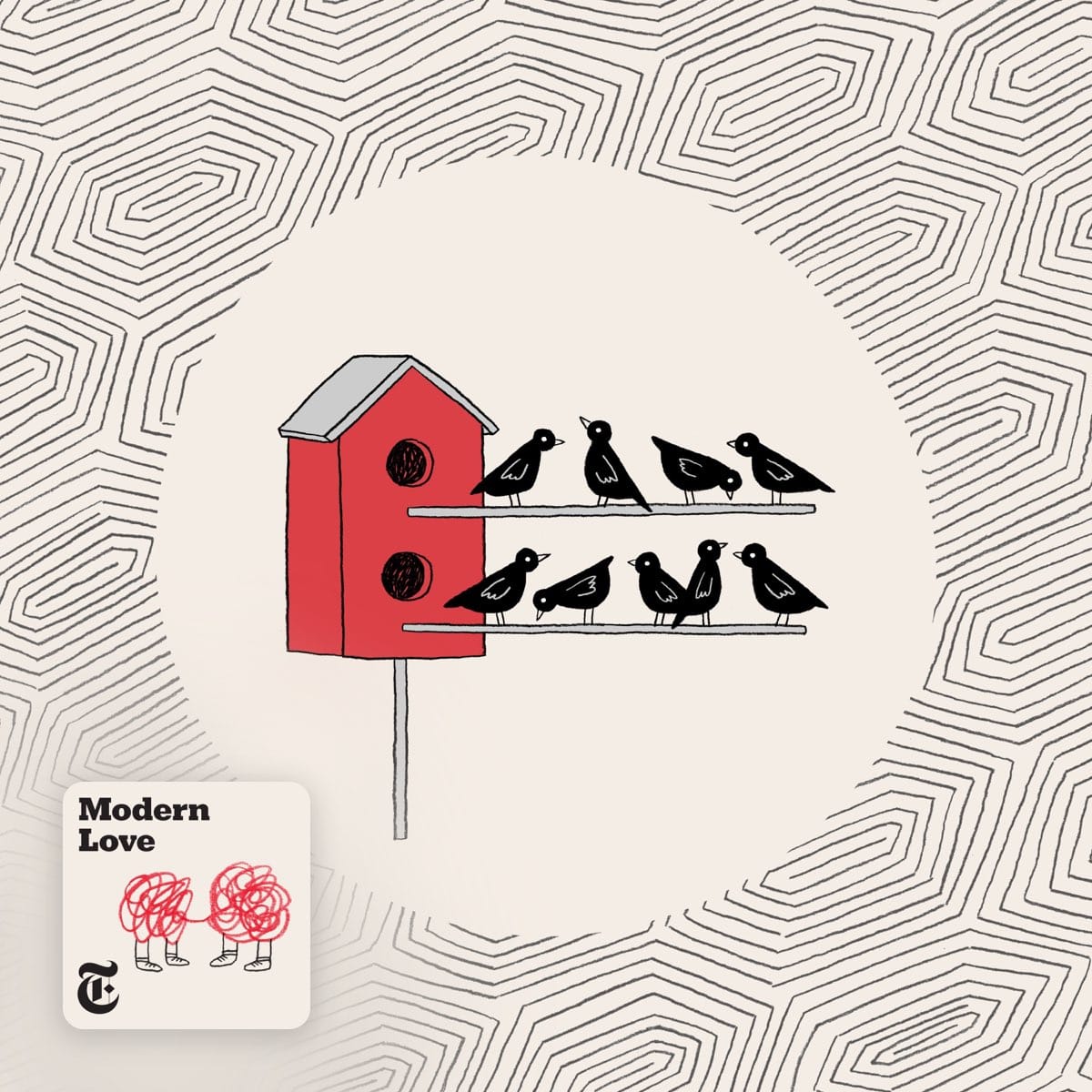
Creating a shared vision of life and then working together to fulfill that idea reminded me of an episode of the podcast Modern Love. In I Cashed Out My 401 (k) to Build a Women's Only Retirement Community, Robyn Yerian discusses her decision to use her retirement funds to develop a community where like-minded women can live communally and take care of each other as they continue to age. Comprised of 10 tiny homes that branch out around a communal kitchen, The Bird’s Nest is designed to blend independent living and companionship for women over 60 in rural Texas. In the interview, Yerian relates the fear that helped drive her toward carrying out her vision. She shares:
I think that’s probably a big fear of mine, to be by myself and dealing — when you have people with you, you can deal with so much that you can’t emotionally deal with on your own, whether it’s friends, family, whoever, you just don’t want to, hey, die alone or go through hardship alone. It’s 10 times harder. And I know you get that when you’re married. But the majority of 65-year-old women — I don’t know what the statistics are, but they’re pretty high that we’re all by ourselves.
The episode confirms that many women in this age range are living alone, primarily due to the death of or separation from their romantic partner. The requests that Yerian receives to join the community far outnumber the available spaces and resources The Bird’s Nest can offer. The hope is that more women might take up the reins of creating their own communal living spaces as alternatives to nursing homes.
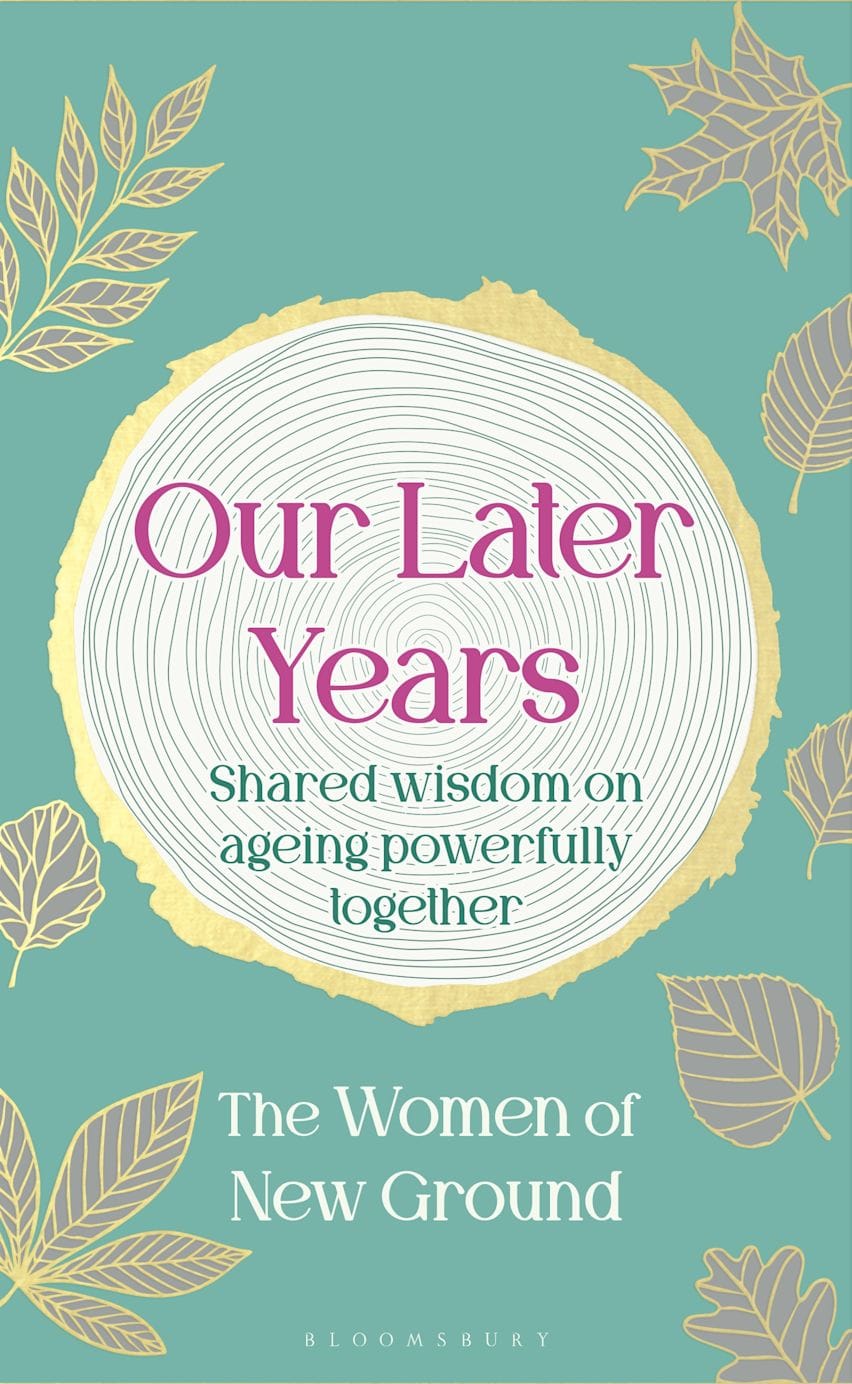
In their recently published book, Our Later Years: Shared Wisdom on Ageing Powerfully Together, the Women of New Ground share their experiences of living together in an intentional community that took 20 years to come together. By working with the UK government, the group established “the first purpose-built cohousing community for women over fifty” in 2016 and created a pathway for tenants reliant on social housing to join the community. (4) They also encourage multicultural residents (those not born in the UK) to join them. As they write, “The ambition was to establish an inclusive mixed-tenure community without financial barriers.” (10)
Sharing a core commitment to eight shared values, the group consists of 25 women ranging “from their late fifties to their mid-nineties.” (38) The three-story house was designed with practical accessibility and mobility in mind as they continue to grow older. They rationalize,“Old age doesn’t feel like something we should try to hide or apologize for, quite the opposite, it feels like a different type of energy we can explore, harness and lean into.” (27) Whether working together to combat institutional ageism, establish boundaries between privacy and communality, create buddy systems to help navigate complicated healthcare networks, or develop a set of committees to manage conflict resolution, the group embraces the idea of collective life within their vibrant “third age.” (109)
While some connections between residents are naturally more meaningful than others, everyone in the community works hard to ensure that their co-residents feel included and cared for. The authors emphasize, "Research shows that social connection has a significant positive impact on physical and mental health as we age, and those of us with stronger social networks are more likely to live longer and have a higher quality of life.” (53) Later in the book, they draw similar conclusions to Cohen, arguing, “Relying completely on a romantic partner is a risky strategy at this stage in our lives; we need to continue to put energy into friendships too.” (116)
One of my favorite quotes from The Golden Girls is said by Dorothy (also my favorite character). As Rose and Blanche are passing around plates, she says, "Oh, do you know how many great, late-night talks we've had at this kitchen table over cheesecake?" The image of a group of friends gathering together to regularly disclose their triumphs, failures, and everything in between helps me embrace a less-scary version of the future. It is never too late to make friends, or to show your existing friends how much you value them. In fact, it’s better for our physical and mental health when we do.
Learn More:
- Explore intentional communities on the Foundation of Intentional Communities website
- Read the NYT article “How to Make Friends as an Adult”
- Check out some of my favorite novels about friendship:
- 10 Minutes 38 Seconds in This Strange World by Elif Shafak
- Kin by Tayari Jones
- Aristotle and Dante Discover the Secrets of the Universe by Benjamin Alire Sáenz
- Lonesome Dove by Larry McMurtry
- Cantoras by Caro de Robertis
- Girl, Woman, Other by Bernardine Evaristo
- The Briar Club by Kate Quinn
- We All Want Impossible Things by Catherine Newman
- Rules for Visiting by Jessica Francis Kane