The Southern Border

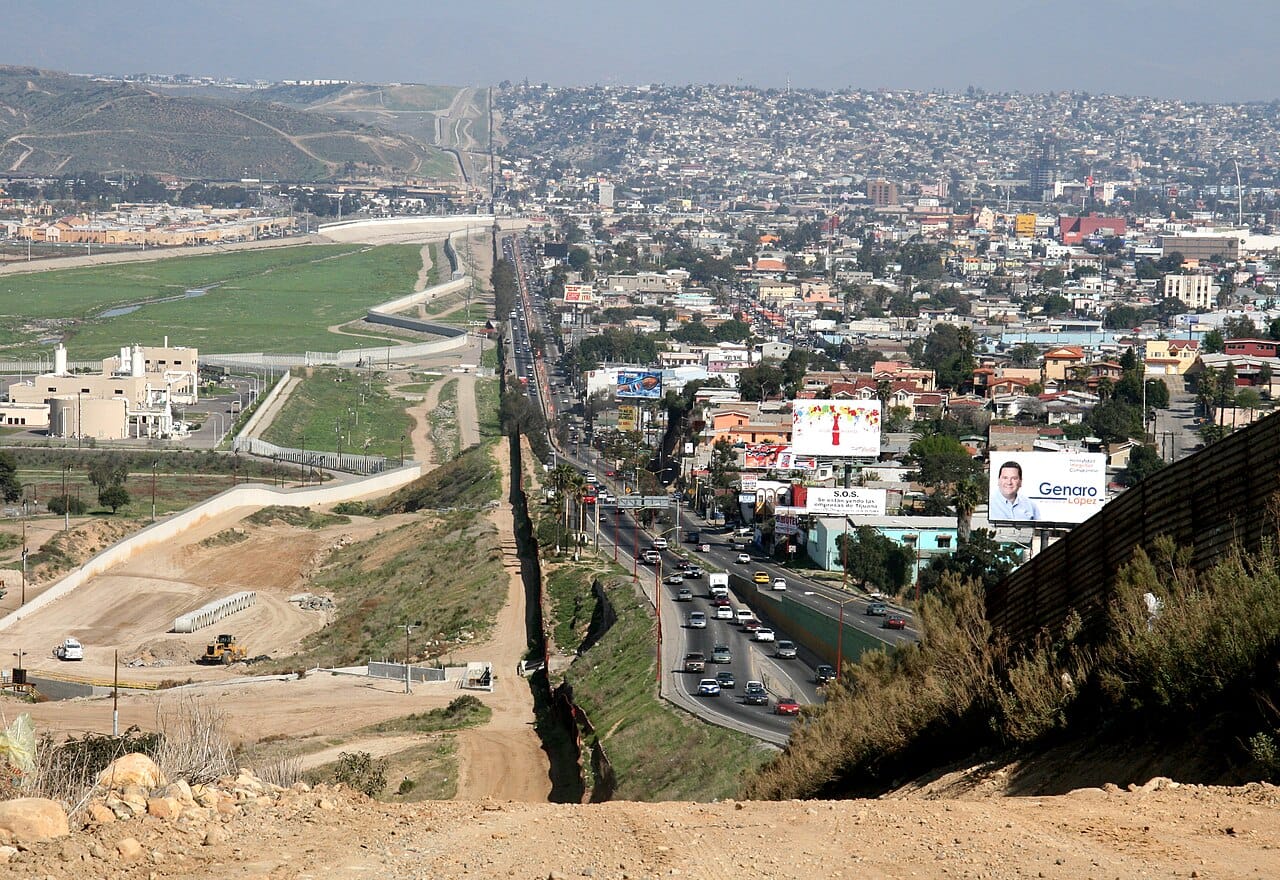

Since 2016, I have regularly taught a sophomore-level interdisciplinary course on The Southern Border. I work with students to study the United States' historical relationship with Mexico and Central America in order to understand how these histories affect the social fabric north and south of the border. Together, we interpret the border’s role in influencing national discourses on citizenship, belonging, and rights; analyze the transnational histories and cultures that have developed around the border; and deconstruct media portrayals of migration from Mexico and Central America that not only simplify but ignore the nuanced complexities of migration.
In order to demonstrate how U.S. policymakers constructed this area, I begin the class by discussing how the physical boundaries and symbolic meanings of the Southern Border have changed throughout the history of this region. We explore the maps below in detail, noting that while the borders may have changed based on geopolitical disputes, the population living in these areas did not.
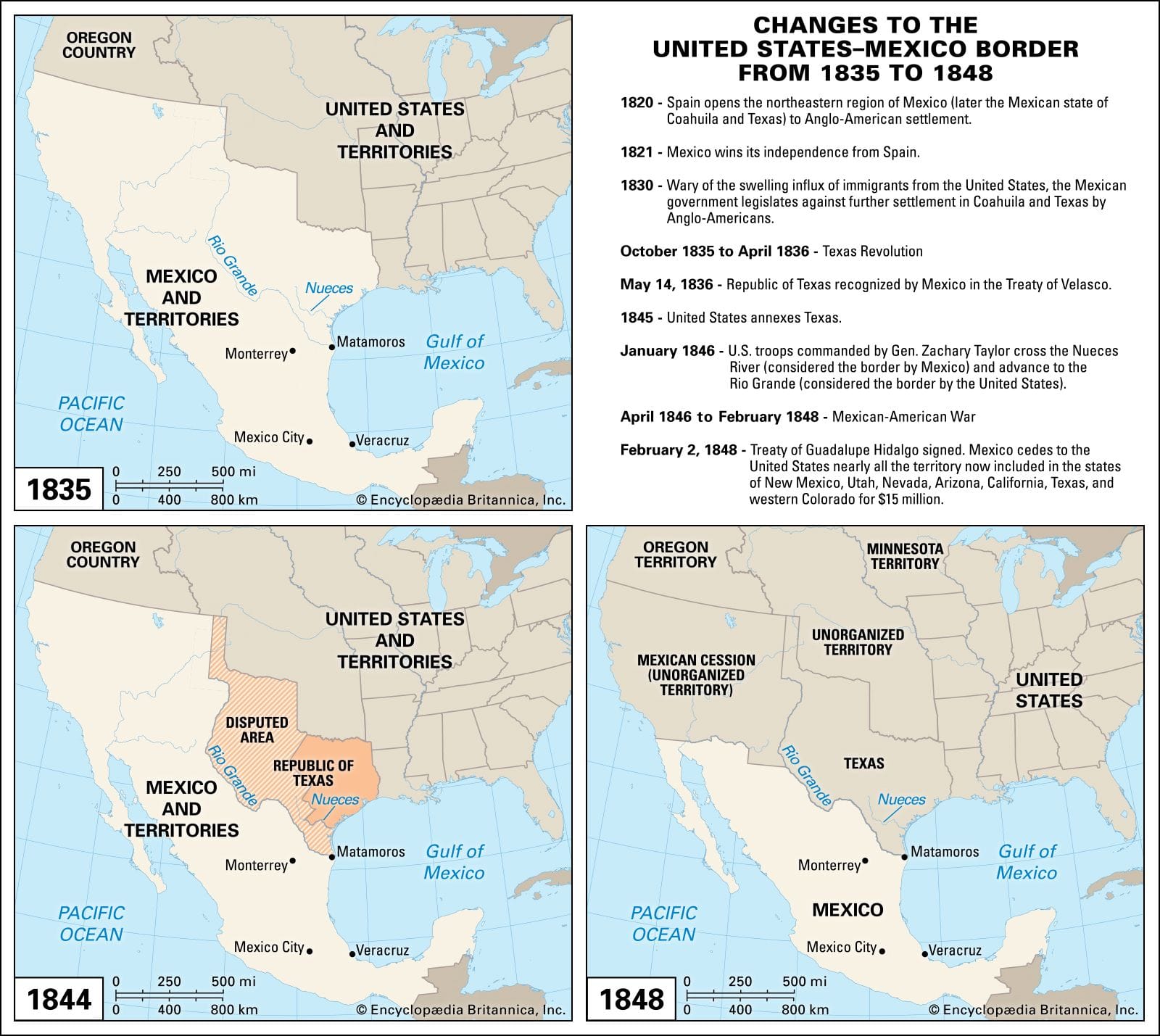
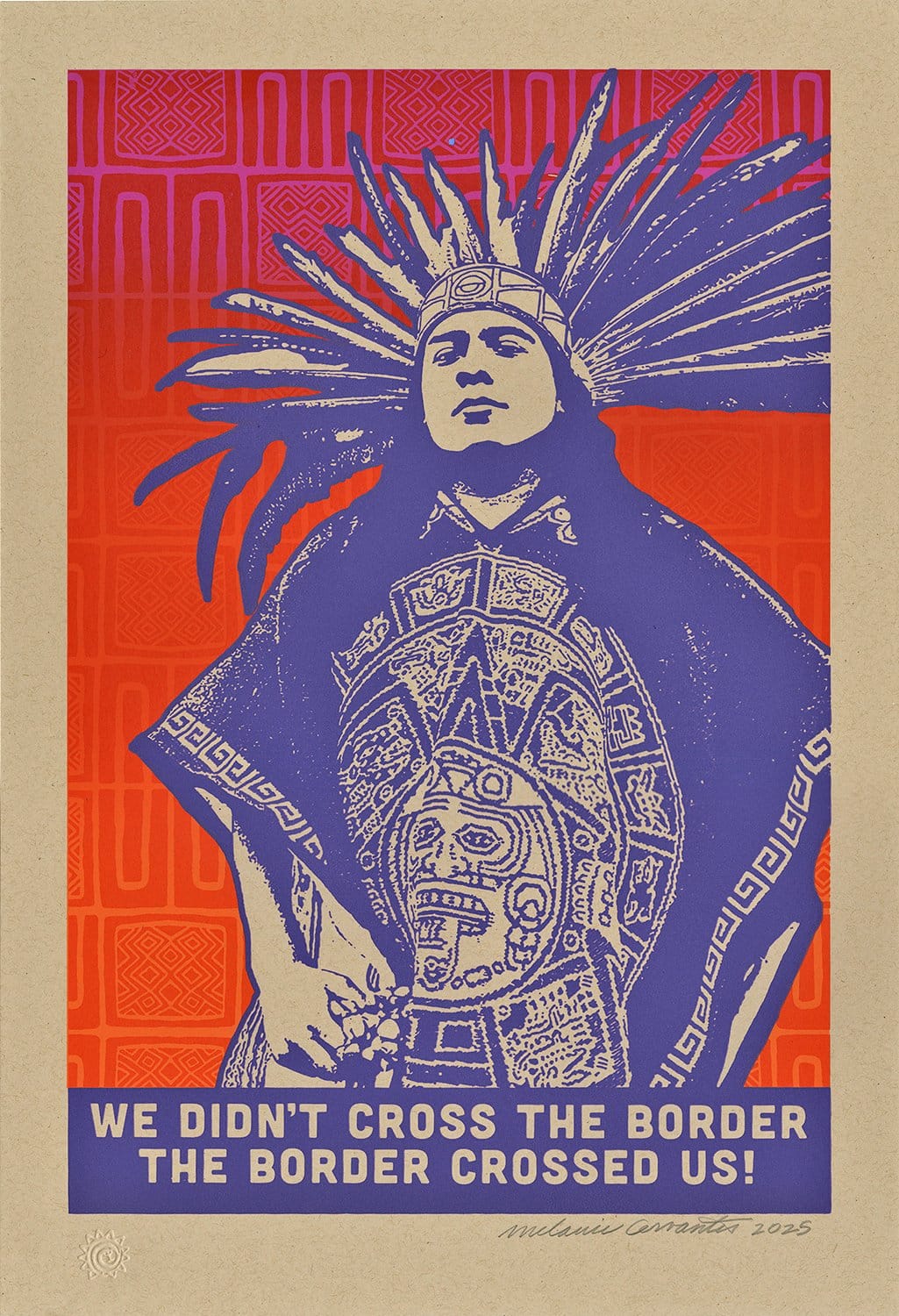
In other words, they stayed on their family land and consequently faced discrimination by a new government that claimed the right to be there. As sociologist Edward J. McCaughan argues, the phrase We Didn’t Cross the Border, the Border Crossed Us! “is a reminder of a homeland in existence long before modern borders turned Mexicans into immigrants and the continent’s Indigenous communities into oppressed minorities in a colonized nation.” (Latin American and Latinx Visual Culture)
While nineteenth-century U.S. policymakers justified westward expansion with the concept of Manifest Destiny, in reality, they not only took a large portion of land from Mexico, but then proceeded to use racist language to distinguish the native residents from the new American settlers. As Douglas S. Massey’s work argues:
[I]n the American imagination, [the southern border] has become a symbolic boundary between the United States and a threatening world. It is not just a border but the border, and its enforcement has become a central means by which politicians signal their concern for citizens’ safety and security in a hostile world. It has become routine for politicians and pundits to call federal authorities to task for failing to “hold the line” against a variety of alien invaders—communists, criminals, narcotics traffickers, rapists, terrorists, even microbes. (The Mexico-U.S. Border in the American Imagination)
Massey encapsulates how the border is portrayed in U.S. news feeds, political rhetoric, and everyday chatter dating back at least one hundred years. It also hints at the increasingly forceful response of border patrol agents tasked with blockading migrant passage north at all costs.
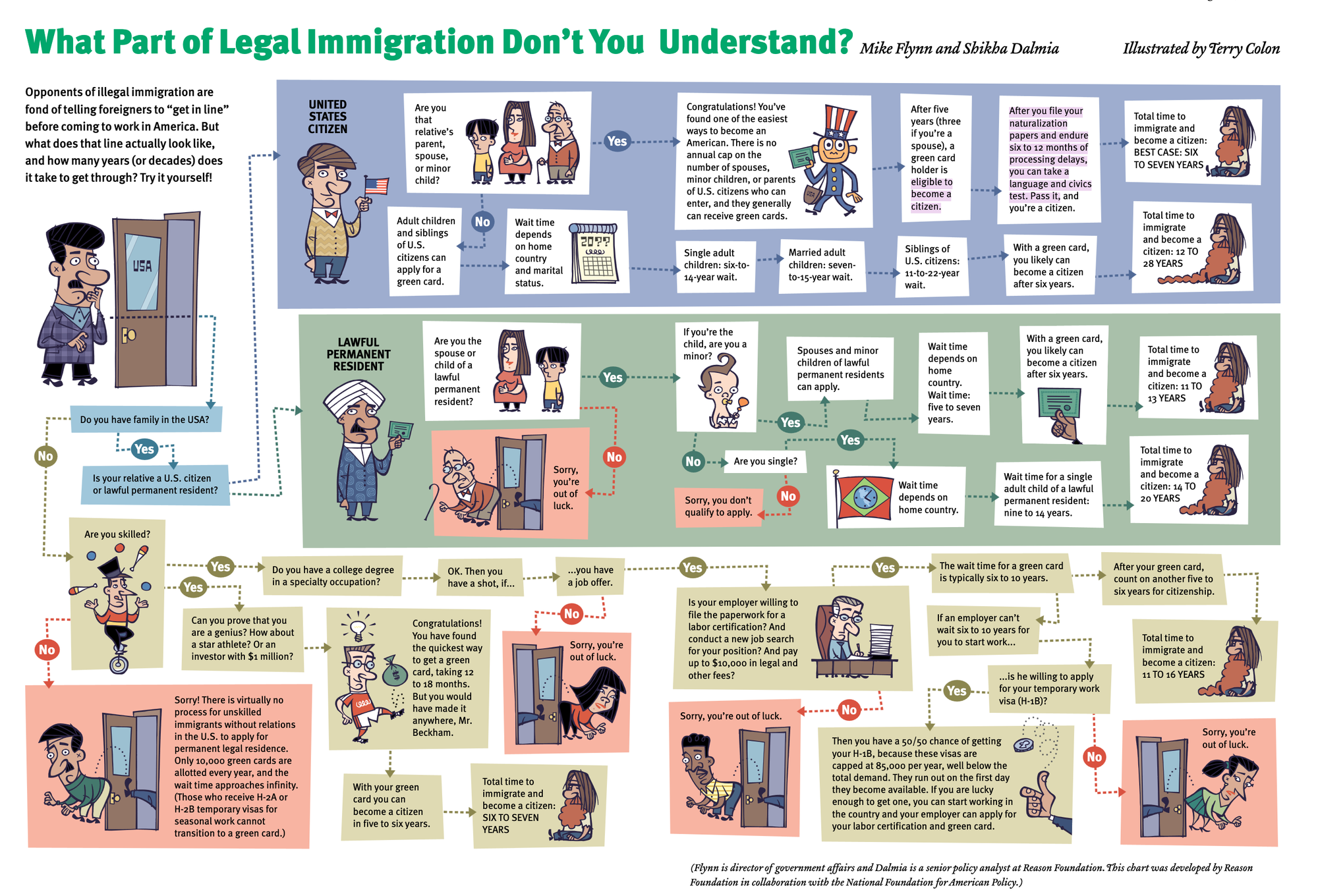
As a direct result of racist and discriminatory practices, U.S. immigration laws have also made it more difficult to enter the country with sufficient documentation and/or apply for permanent citizenship. When my students ask, “Why don’t migrants just get in line?” I tell them that there is no line. Many migrants are not eligible for one of the few legal pathways currently available.
Given that the majority of my students are white middle-class suburban kids, they admit that they haven’t really been asked to formulate their own opinions on immigration. Thankfully, they do express interest in wanting to be better informed, so we focus on ways to help them think through the issues at stake (e.g., legal pathways to citizenship, basic human rights, exploitation) and broaden their perspectives so that they can critically develop their own points of view. I challenge them to make informed decisions when they vote and be able to discuss their viewpoint civilly with people who might not agree with them.
In addition to historical context and statistics, I supplement this content with materials that offer personal stories and more complicated visions of immigration with the goal of adding nuance and relevancy to the topics we discuss. Currently, the following are required in my course:
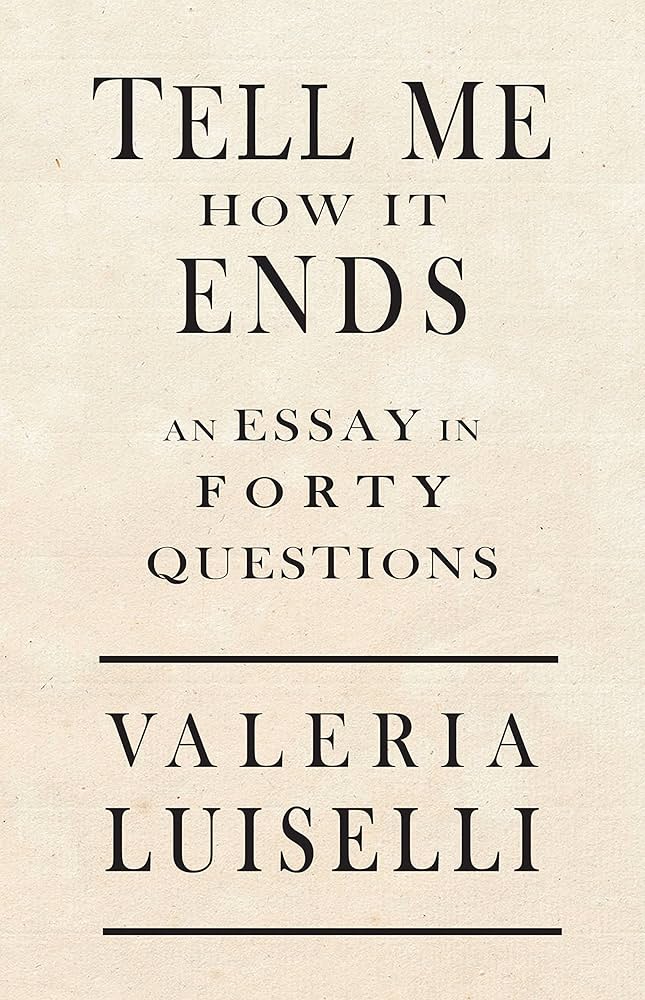
Tell Me How It Ends: An Essay in 40 Questions (2018) is Valeria Luiselli’s account of working with unaccompanied child migrants seeking asylum in the United States. Her narrative shares the difficulties of bureaucracy and the challenges of creating systematized procedures that adequately capture the variety of human experiences within migration. She also threads her own immigration story into the chronicle.
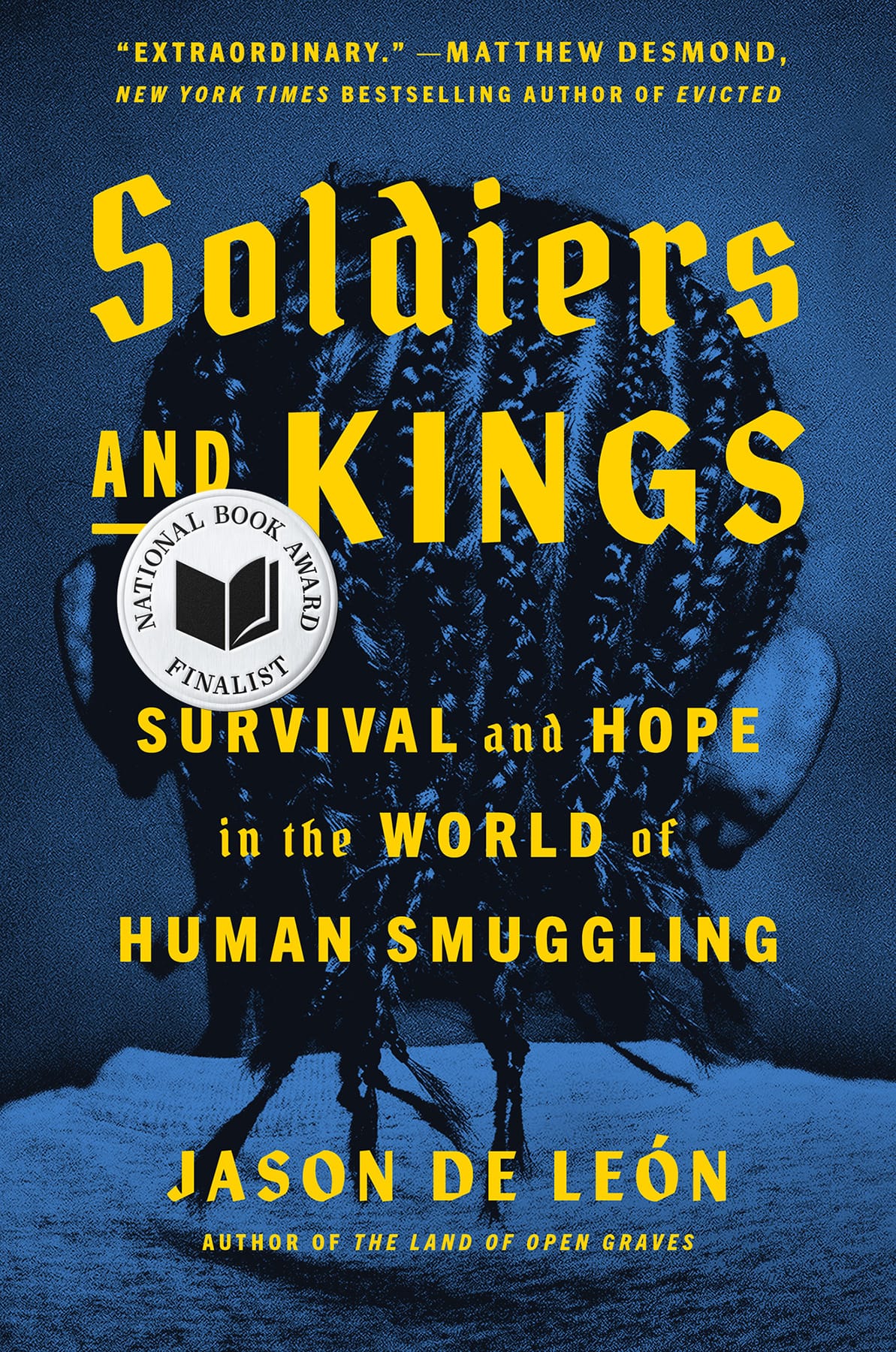
In Soldiers and Kings: Survival and Hope in the World of Human Smuggling (2025), Jason De León shares his experiences following the routes of migrant smugglers. Working as an anthropologist, the author documents the stories of people he meets along the way. The book offers an unprecedented behind-the-scenes look at the lives of those on the migration trail as well as the difficult decisions de León faces in determining how and when to help those he encounters.
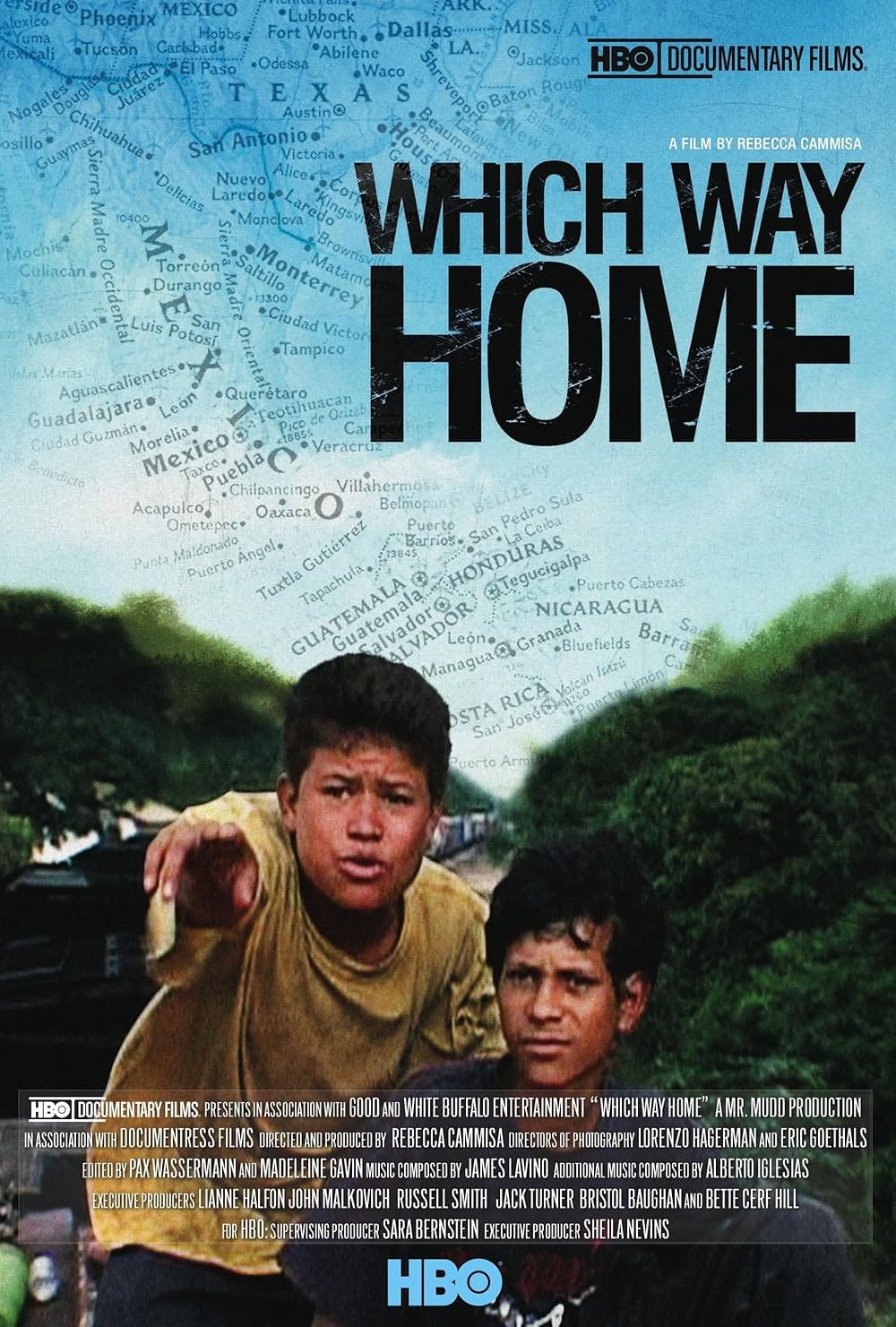
Which Way Home (2009) directed by Rebecca Cammisa follows a group of unaccompanied Central American child migrants who ride La Bestia (the train that connects Central America to the U.S. Southern Border) in the hope of reconnecting with their family members and/or avoiding gang life at home. The documentary footage of their travels is eye-opening and challenging to watch as each child faces a series of difficult choices along the way.
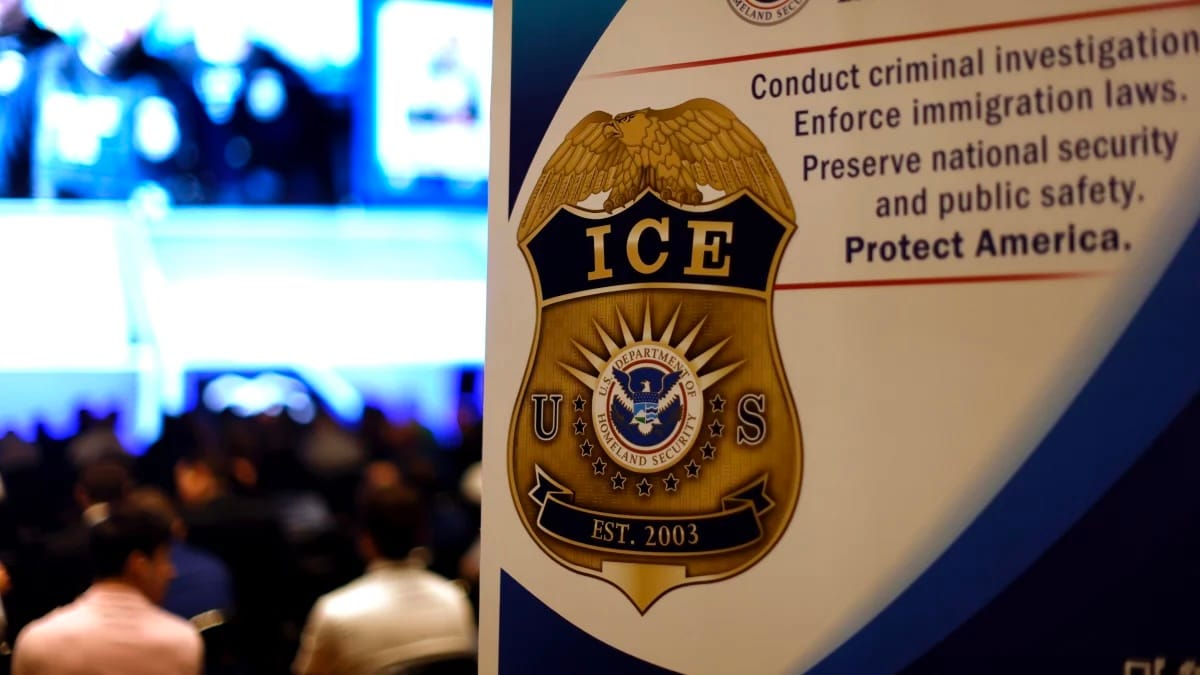
NPR’s podcast Throughline: ICE (2025) guides listeners through the development of Immigration and Customs Enforcement from the U.S. Border Patrol and the Department of Homeland Security to today’s controversial agency. The episode presents multiple points of view while also emphasizing the animosity many U.S. citizens feel toward the current actions of ICE agents.
In previous versions of the course, I’ve also used the following sources:
Into the Beautiful North (2010) by Luis Alberto Urrea offers a fictional account of two Mexican teenagers who plan to visit the United States in order to recruit men to help them protect their home town from cartels. Loosely based on “The Magnificent Seven,” Urrea presents an updated story of border life and immigrant experiences. The novel beautifully captures the complexities of hope and burdens of reality within today’s binational environment.
Reyna Grande’s memoir The Distance Between Us (2013) divulges her personal memories of growing up with her siblings in Mexico while her parents migrated to the U.S. and what her experiences were like when she was able to finally join her mom and dad across the border. Grande’s honest reflections are heartbreakingly sad while also demonstrating significant resilience.
Sin Nombre (2009) directed by Cary Joji Fukunaga provides a fictional account of a gang member who tries to escape his limited options at home by fleeing to the U.S.. The film offers realistic depictions of gang life and the dangers of migration while also highlighting the desperation that propels many people to leave their countries of origin. While I really enjoy the development of characters and relationships throughout the film, I stopped assigning this one to my class because of a triggering assault scene.
This American Life: The Out Crowd (2019) is a Pulitzer Prize winning episode of the popular NPR podcast. The producers share stories from asylum officers, asylum seekers, border patrol agents, and one man whose fears of danger if he was deported back to Mexico come true.
I still find all of these sources valuable and highly recommend them to everyone.
At the end of each semester, I ask my students to reflect on the extent to which their initial opinions of the Southern Border have changed and/or been confirmed by taking the class. Many students report a shift in opinion and a deeper appreciation for the difficulties faced by migrants as well as the limitations of the current U.S. immigration system. Being able to have these conversations, and to add more voices/stories into the dialogue, always feels like a win for me.
Over the years, I’ve recognized that many people are either misinformed or ignorant about the level of violence and brutality faced by migrants along the Southern Border. They assume that any danger must be coming from drug cartels and/or are deserved based on a lack of proper documentation. In reality, the U.S. processes of detention, deportation, family separation, and absence of due process all contribute significantly more to the denial of human rights and the trauma that ensues. I encourage everyone reading this to investigate their own ideas about immigration, to commit to paying more attention to the events taking place along the border and in cities where ICE is present, and to make informed decisions in this November’s election.
Learn More:
- To learn more about the history of deterrent-based U.S. immigration policies, read Deportation tactics from 4 US presidents have done little to reduce the undocumented immigrant population.
- For a discussion on political rhetoric related to immigrants, check out How Immigrants Became Criminals.
- For arguments in favor of successfully integrating immigrants into the U.S. economy, read Immigration Is Imperative.
- And for an overview of what life is really like along the border, watch NPR’s Borderland.
- More great book recommendations are available on the LA County Library's Hispanic Heritage Month page.