Mexico's "Nobodies"

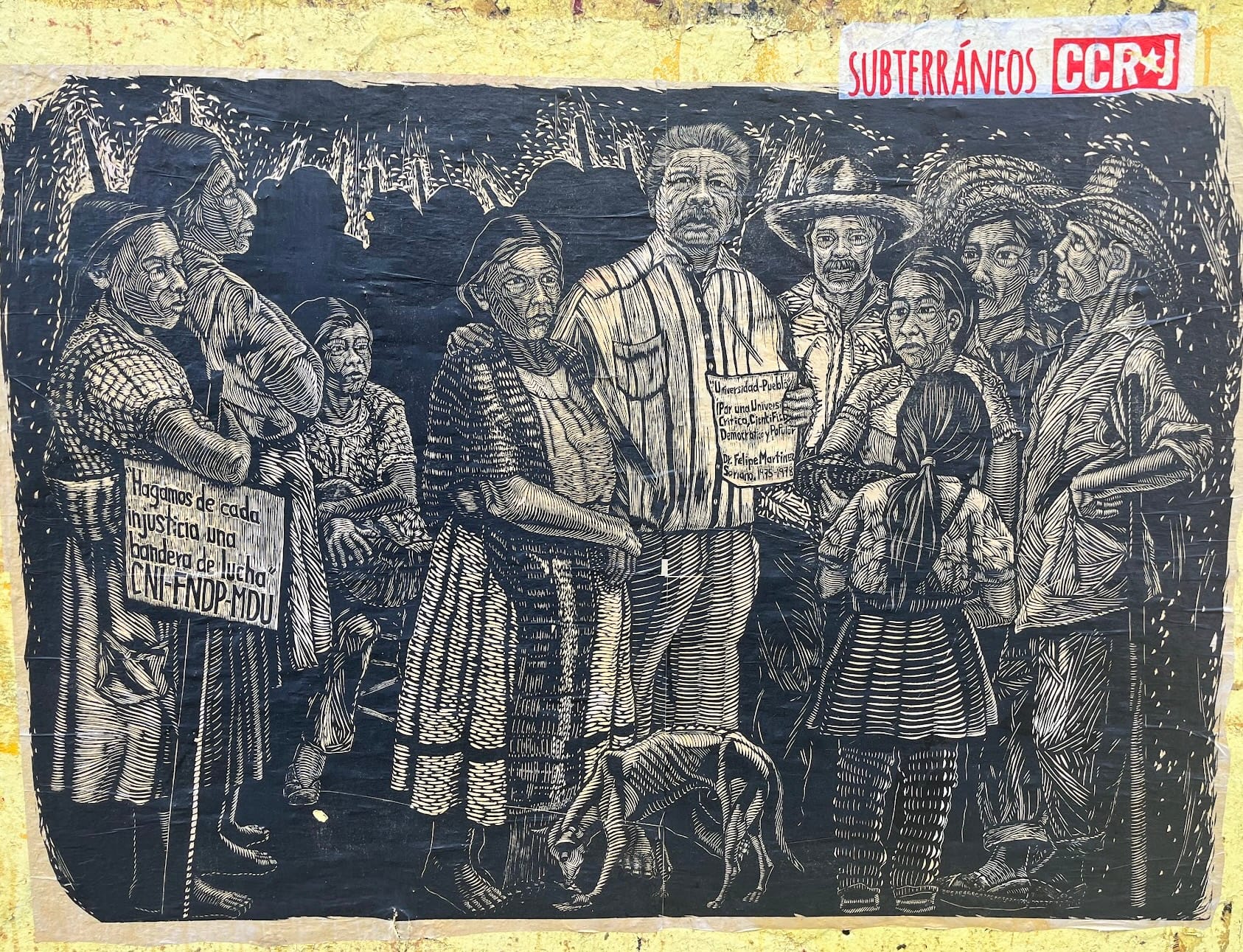
My family and I traveled to Oaxaca, Mexico for our summer vacation this June. It was wonderful to be back in my favorite city and to experience it with our daughter for the first time. A trip to the area in 2008 solidified my interest in studying Mexican history and I’ve been back several times for research and exploration. I am always in awe of the deep cultural roots and acts of political resistance that are still so central to the communities there.
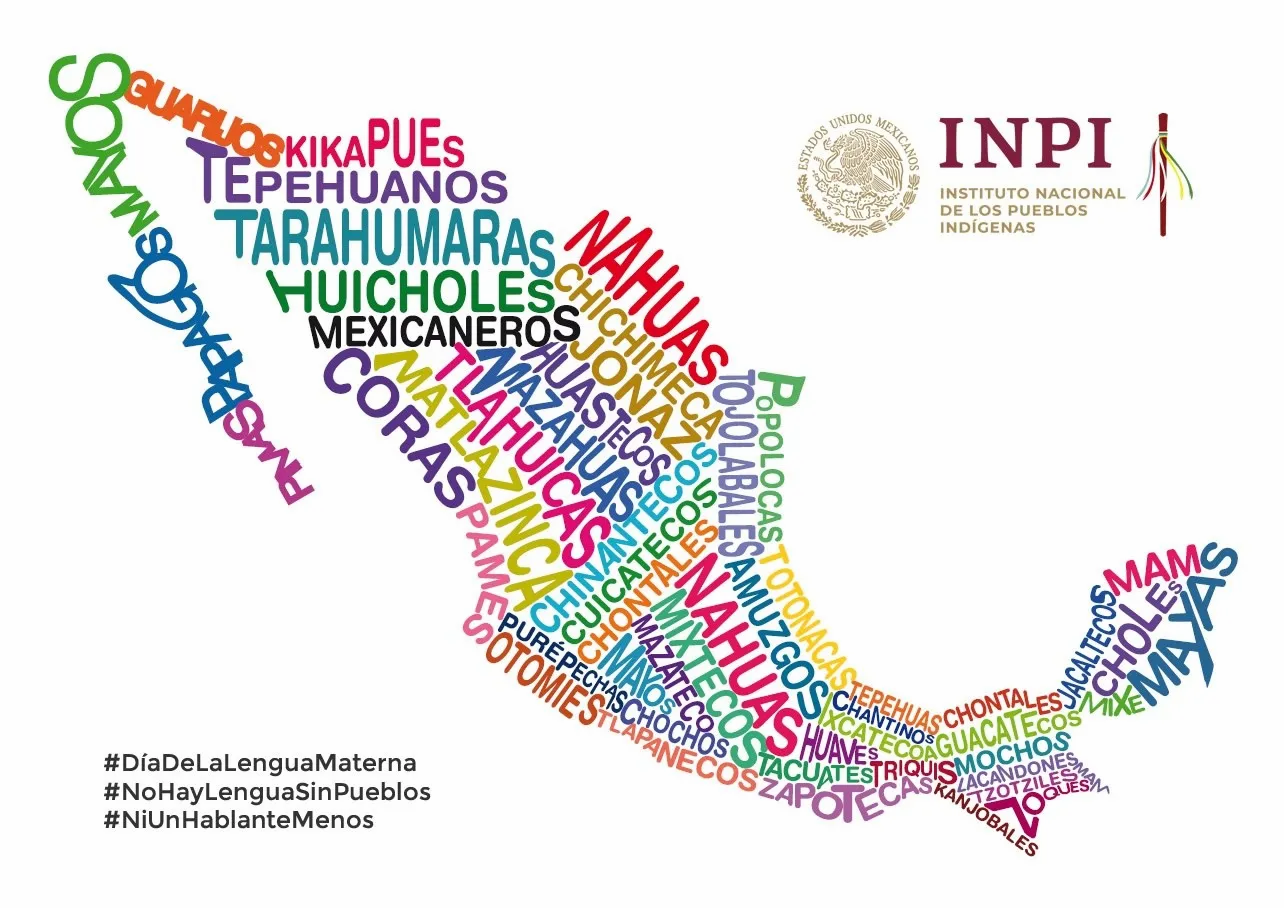
I also love the steady reminders of how diverse Mexico is, including the 68 indigenous languages still spoken in the country as well as the wide variety of flora and fauna (10-12% of the world’s mammals, reptiles, and plants) that can be found there. Yet global society often overlooks this diversity, choosing instead to characterize Mexico in static and oversimplistic terms. In response to recent social media criticisms of Mexico’s representation during the World Cup opening ceremony, sociologist Hortencia Jiménez reflected:
Mexico is not a monolith. Mexico is Indigenous, mestizo, and Afro-Mexican. Mexico is rural and urban. Mexico speaks Spanish, but it is also home to Indigenous languages that predate Spanish colonization. Yet many of the comments reveal how deeply Mexicans have been socialized and colonized to imagine a very narrow version of what “authentic Mexican culture” looks like. (Jiménez IG post).
Learning more about and sharing the vast traditions, histories, cultures, and customs that comprise Mexico is a lifelong project that I’ve happily accepted.
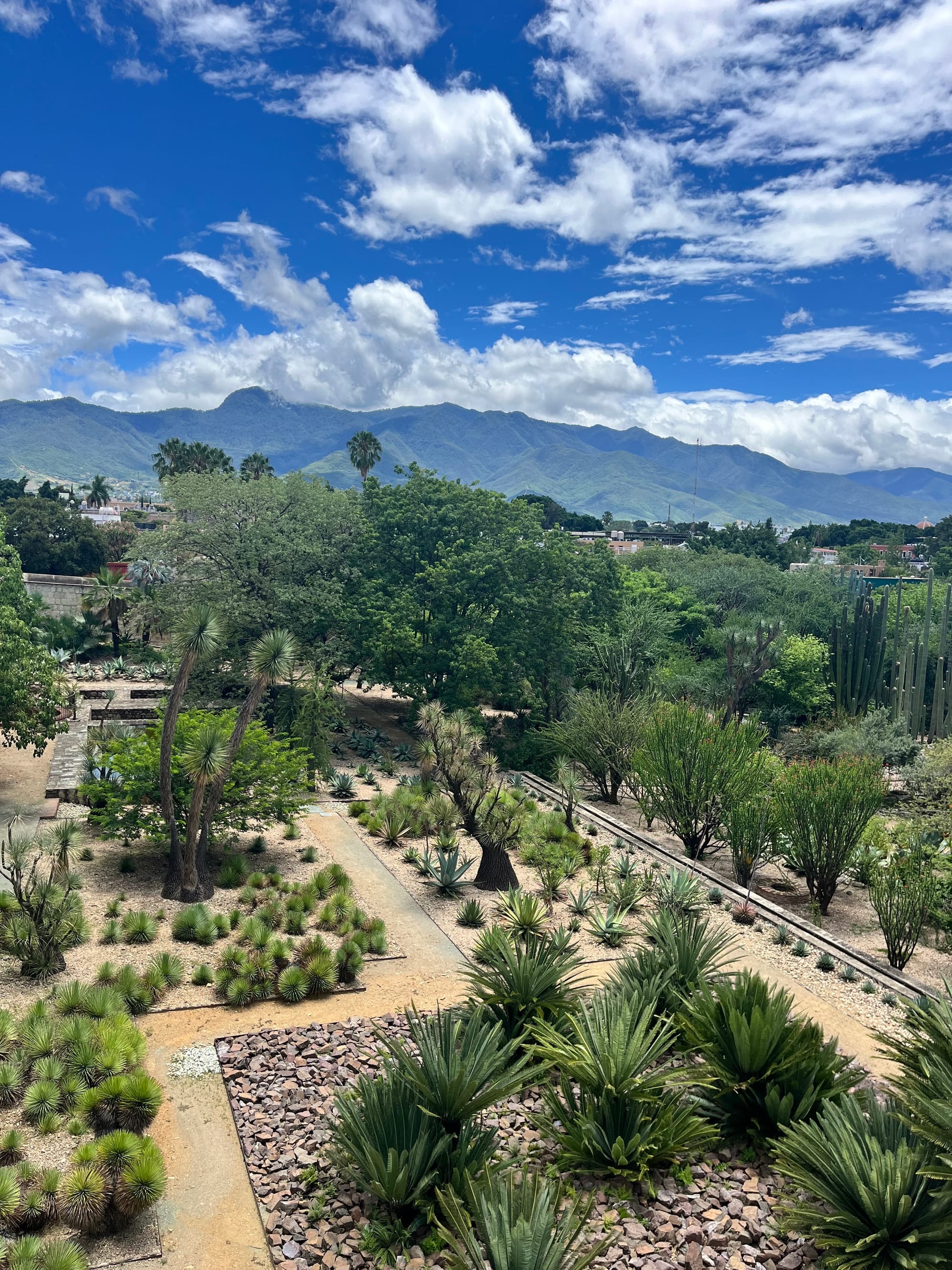
My students often ask me why I chose to focus my studies on Mexican history. Many people anticipate that, because I was born in Georgia and teach there now, my interest will be in the U.S. Civil War. Part of what I love about studying history is the opportunity to immerse myself in something completely new and different – to come in with no preconceived ideas and be open to how scholars, writers, artists, and communities have interpreted their historical legacies over time. Then, in my case, to apply that knowledge to studying how outside groups (e.g., diplomats, anthropologists, development/aid workers) insert themselves into these spaces and what influence (if any) they have. I want to know more about how these existing communities chose to interact with, adopt, and/or reject those influences.
The more I’ve studied and taught Mexican history, the more I appreciate scholars who highlight historical actors that might otherwise go unnoticed in light of the big stars they orbited around. In other words, while I will always appreciate great scholarship on famous Mexicans such as Pancho Villa, Emiliano Zapata, and Frida Kahlo, I love learning about new-to-me characters that helped to shape Mexican culture and society.
Two books that I think do this really well are B. Christine Arce’s México's Nobodies: The Cultural Legacy of the Soldadera and Afro-Mexican Women and Kelly Lytle Hernández’s Bad Mexicans: Race, Empire, and Revolution in the Borderlands.
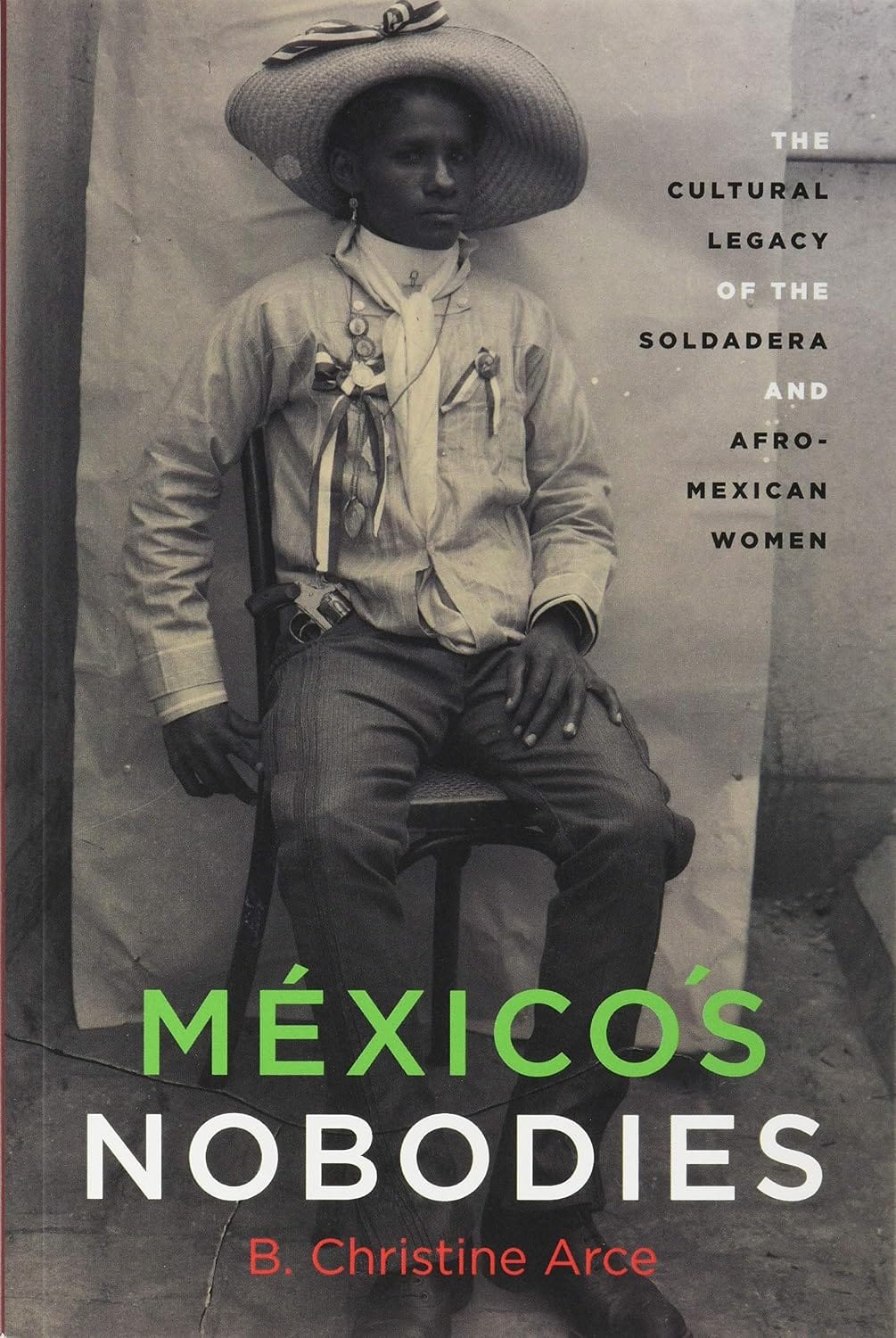
B. Christine Arce, Associate Professor of Modern Languages and Literatures and Director of the American Studies Program at the University of Miami, offers a critical analysis of the marginalization of certain groups of women from Mexican history despite their prevalence in popular culture:
the soldadera (female camp followers of the Mexican Revolution), the mulatas (women of African and Spanish ancestry), and the Afro-Caribbean rhythms performed by artists such as Toña la Negra. Though different, all share one undeniable attribute: they have been relegated to the margins of México’s official memory and history despite the fact that their figures flood the arts. Corridos, novels, murals, photography, films, theater, and music refer to them without respite. The arts incessantly breathe their presence into culture, especially at moments of fracture in the hegemony of the national narrative, and in this way the bodies of these marginal subjects are figured and disfigured by the tropological forms their representations have taken by means of metonymy, mythification, or caricature. (2)
Using an academic lens, Arce breaks down the active roles these women played in shaping Mexican society:
The soldaderas were not just pathetic, dutiful camp followers; they rescripted traditional gender roles, and in their performative language created a radical space where women and men often fought side by side and maintained fluid sexual relations. (279)
[...]
Africans and their descendants have been in México for at least five hundred years, as long as the first Europeans, yet have been relegated to a flickering, ambiguous past where they also hover in the shadows. Their voices have been heard in music, in the festivities of carnival all over México, in the style, tempo, and timbre of the multiple sones that each makes a claim to constituting “traditional” Mexican music. Yet, in contrast to the Caribbean that actively celebrates black heritage in music and folklore, often to the exclusion of all else, African descendants have never been explicitly recognized as contributors to the forging of this unique culture. (279)
By documenting their stories, Arce encourages us to use popular culture as an opening for uncovering more influential figures who have been erased from the historical narrative.
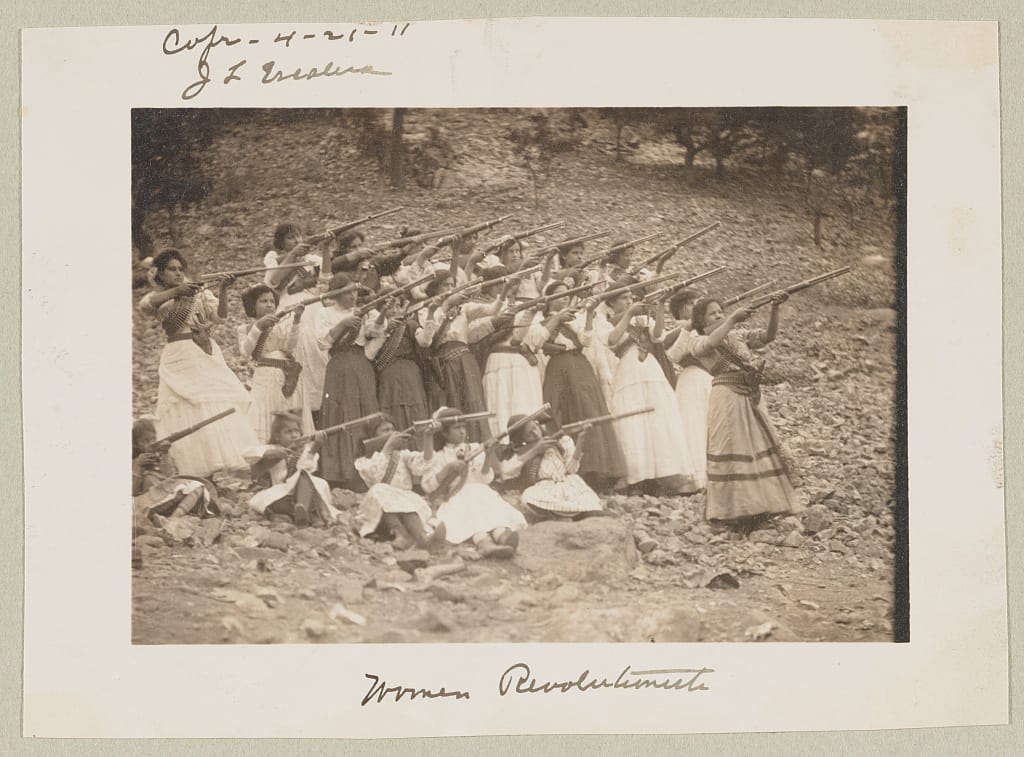
While Arce’s book expands literary criticism to make larger arguments about the contradictions between popular culture and national history, Kelly Lytle Hernández, Professor of History at UCLA, takes a different approach. Her work provides a detailed account of the Flores Magón brothers’ influence on the Mexican Revolution (1910-1920) while also introducing a host of characters who worked alongside them to overthrow the dictatorship of Porfirio Díaz. Labeled by Díaz as “‘malos Mexicanos’ (bad Mexicans),” the magonistas reshaped Mexican politics, U.S. imperialism, and diplomatic relations between the two nations. (4) They published newspapers on both sides of the Mexico-U.S. border “calling for a ‘regeneration’ of [Mexico’s] commitment to the principles of the 1857 constitution: principles such as clean elections, a free press, and term limits.” (55)
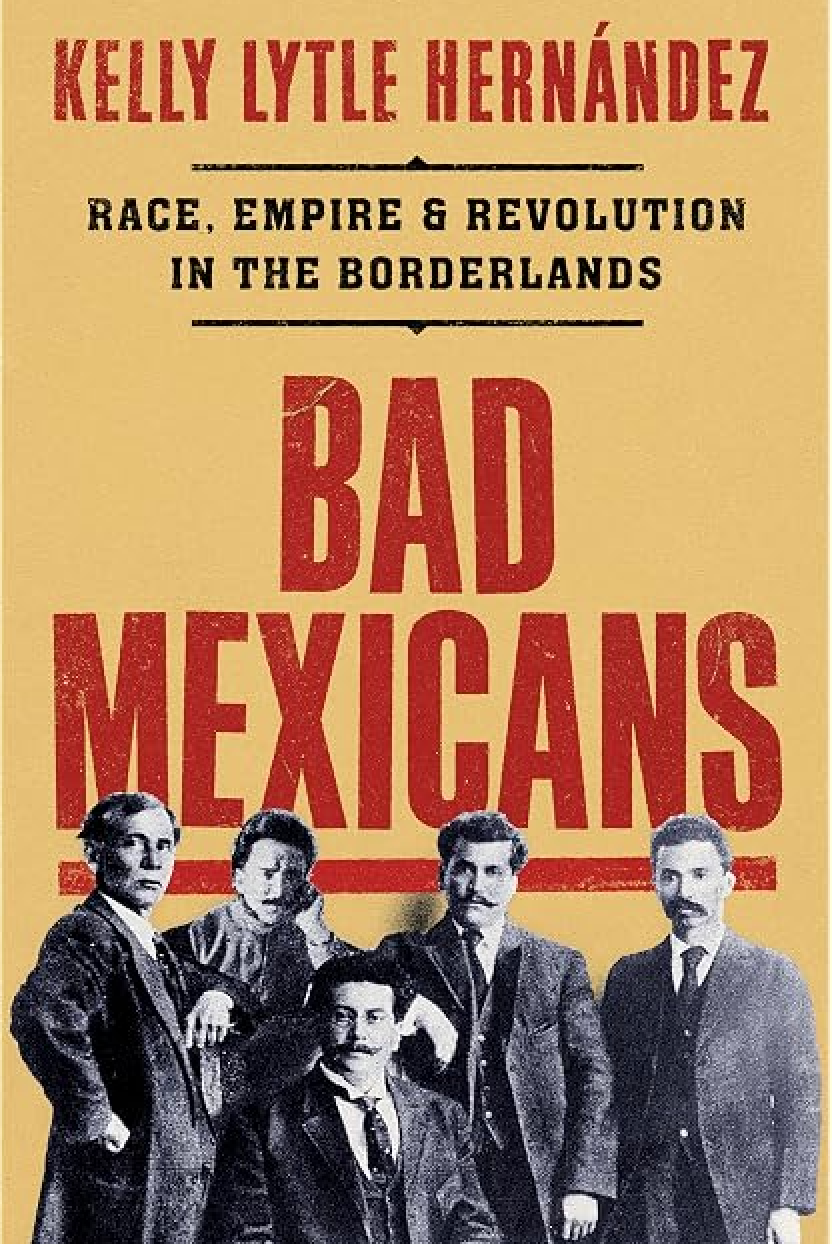
Lytle Hernández’s narrative, written in accessible language for a public audience, follows Ricardo and Enrique Flores Magón as they navigated anarchist and socialist theories in their efforts to imagine a more equitable future for Mexico. Along with their supporters, they also directly combatted white supremacy and the “chronic marginalization of the Mexican American experience [that] held them…in the shadows of the American story.” (300)
I appreciate that Lytle Hernández includes the names of hundreds of supporters, giving agency and identity to many individuals responsible for shaping this political movement. She argues, “Stripped from the narrative, Latinos in the United States are often cast as immigrants, outsiders, or newcomers to the American story, when, in fact, Mexico, Mexicans, and Mexican Americans, as well as other Latino communities, have long been major players in U.S. history.” (308)
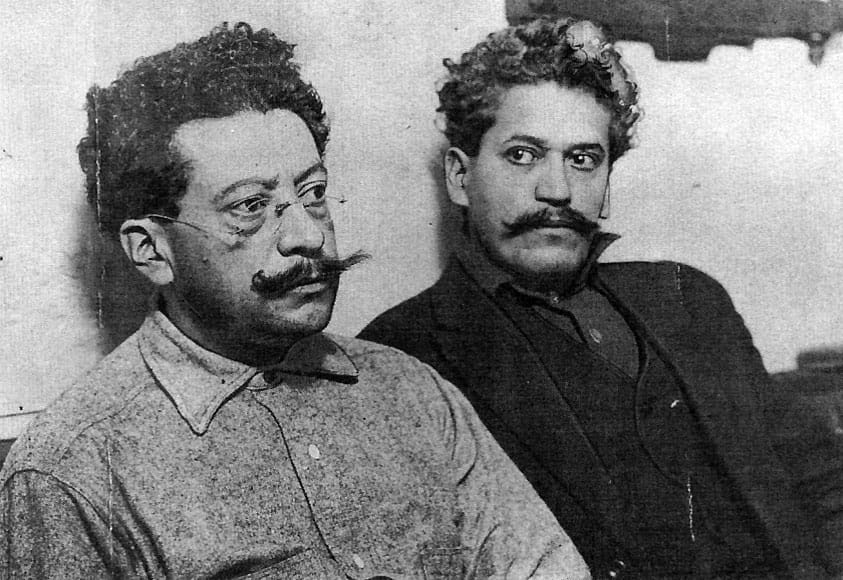

Through her compelling narrative, Lytle Hernández demonstrates, “In the process of confronting the Díaz regime in Mexico, they rattled the workshop of U.S. empire, challenged the global color line, threatened to unravel the industrialization of the American West, and fueled the rise of policing in the United States.” (308-309)
Her meticulous research reveals an elaborate network of underground collaborators on both sides of the border who worked to undermine the unjust society they faced. She concludes, “Some of the most powerful people on earth tried to suppress them and their story, but Ricardo Flores Magón and the magonistas altered the course of history, defining the world in which we live by defying the world in which they lived.” (309)
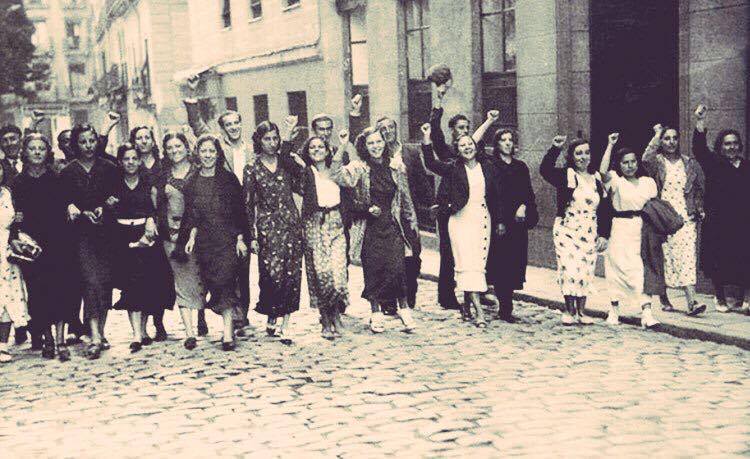
Both books help to showcase the diversity of ideas, experiences, and influences that contribute to Mexico’s vibrancy. The authors move beyond static stories of European domination in the region to tell more nuanced stories of survival and resistance of marginalized groups against a lineage of threats to their existence and power. They remind us of the very active role everyday people played (and continue to play) in shaping the world around them and inspire us to seek out the “nobodies” that are often missing from official narratives.
Learn More:
- Watch B. Christine Arce discuss her book at the Library of Congress
- Listen to Kelly Lytle Hernández discuss her book on Latino USA