Isabel Kelly

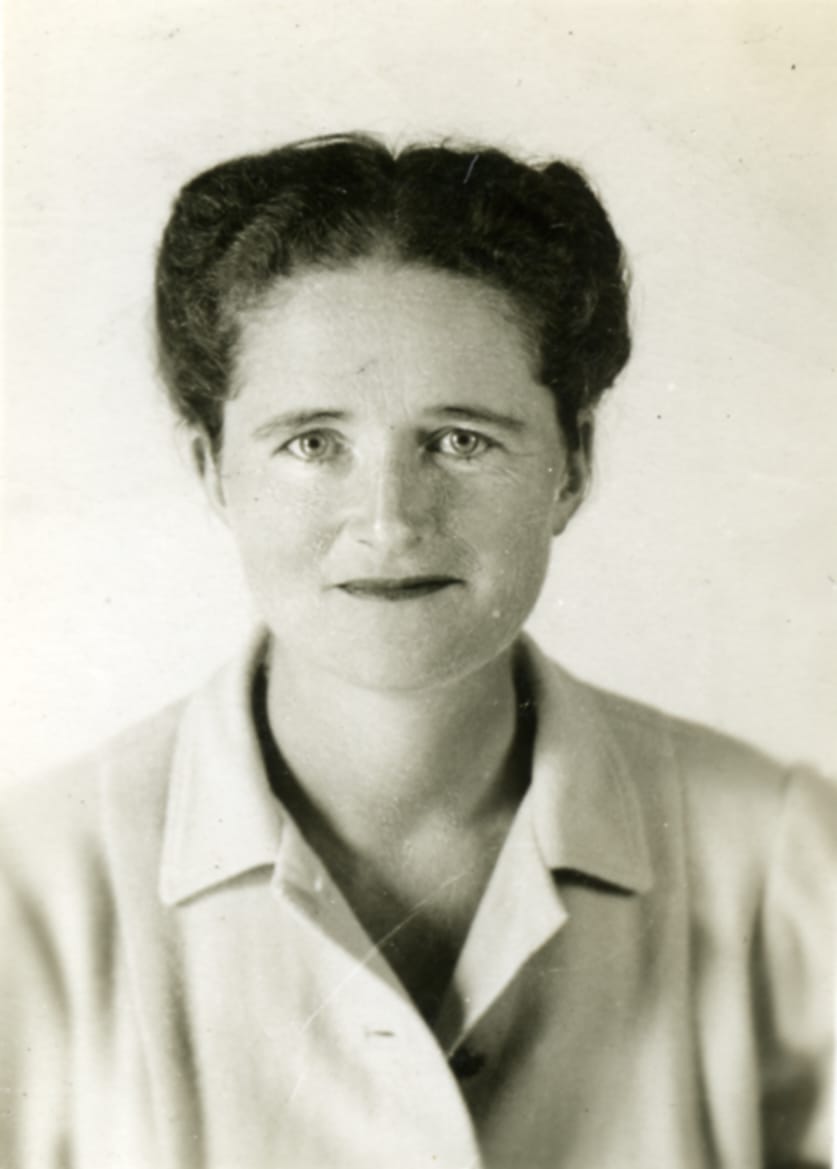
My path into historical research usually begins with a semi-well-known individual. I catch their name in a historical document or see that they have a collection of letters stored in a familiar archive. I start to probe into their work, learning what their major accomplishments were (publications, awards, recognition), why/where/how their historical records are preserved, and what has been written about them to date. I look for connections to my own interests (Mexican political and cultural history, U.S. diplomatic relations, immigration, social movements, gender studies). I start to make lists and charts mapping out the overlaps I notice between my previous work and the potential for something new. And finally, I go to the archives with the intention of adding their story to larger scholarly conversations.
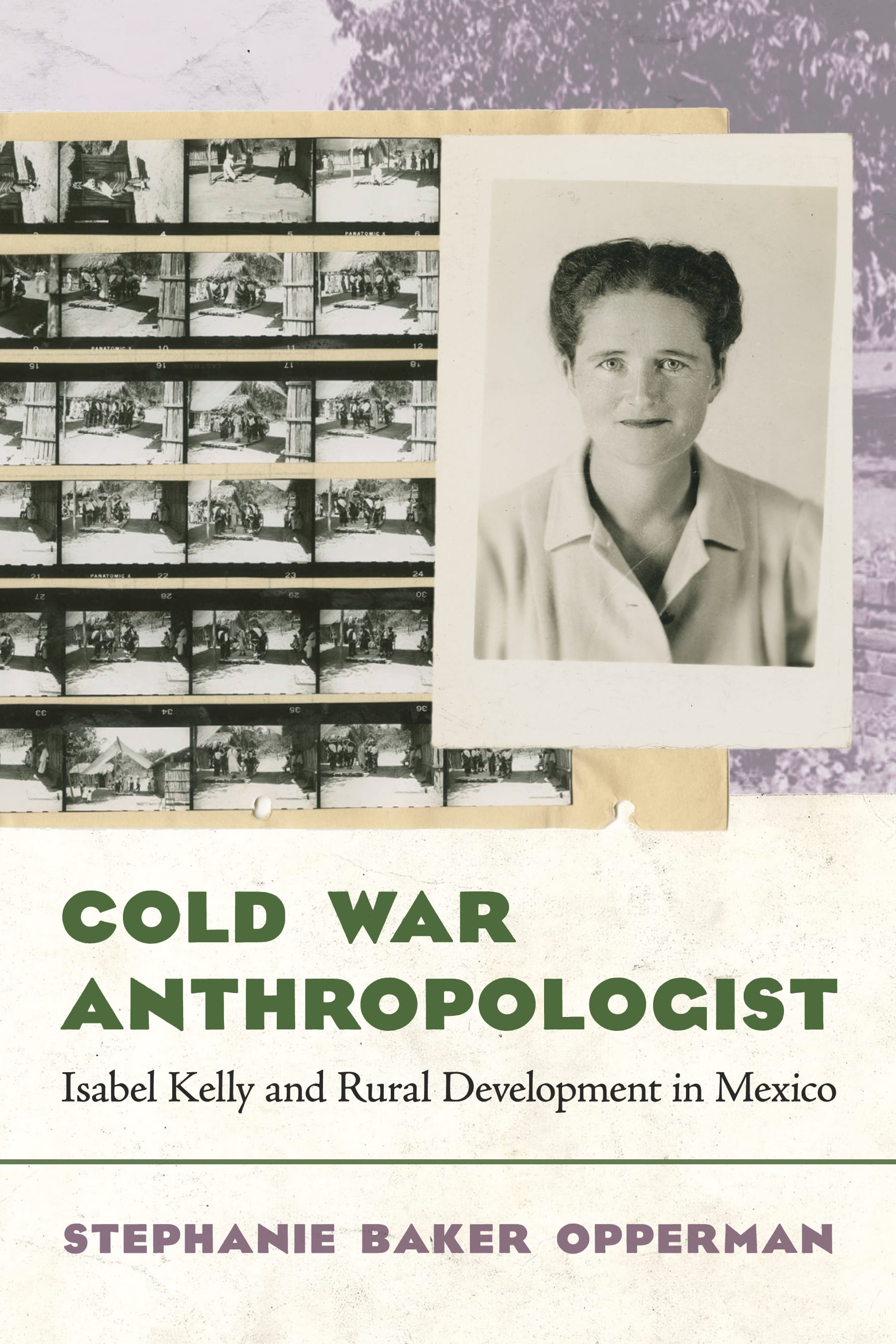
The best example I have of this work is my recent book, Cold War Anthropologist: Isabel Kelly and Rural Development in Mexico (2024). I won’t recap her life story and its significance here. But I will try to tempt you to learn more about her by offering some fun facts:
- Isabel Kelly graduated with her Ph.D. in anthropology from UC Berkeley in 1932 (only three years after Margaret Mead completed her doctorate at Columbia).
- After conducting field work in the southwestern United States and Mexico for a decade, she accepted a job with the Smithsonian Institute for Social Anthropology in 1945.
- In the aftermath of World War II, the Institute was absorbed by the U.S. Department of State. This transition prompted Kelly to shift her career toward international diplomacy in an effort to keep her job, stay in Mexico, pursue her own research, and train future generations of anthropologists.
- Throughout this period, she wrote many letters (especially to her friend and boss George Foster) incorporating her official thoughts on specific projects alongside more personal reflections on the challenges of the job, being a woman in anthropological and diplomatic circles, making time for her own research interests, and protecting her private life.
- The more time she spent in Mexico, the more Kelly realized that many of the formative lessons she’d learned in graduate school (and were reinforced by her colleagues in the Department of State) no longer applied to anthropological research. In fact, she argued that approaching international relationships from a perspective of U.S. superiority was harmful and detrimental to the development goals these programs hoped to accomplish (e.g., improved public health, education, hygiene, sanitation, maternal and child care).
- After completing short-term assignments in Bolivia and Pakistan between 1958-1959, Kelly decided to retire from the Department of State.
- She spent the rest of her life researching and writing in Mexico.
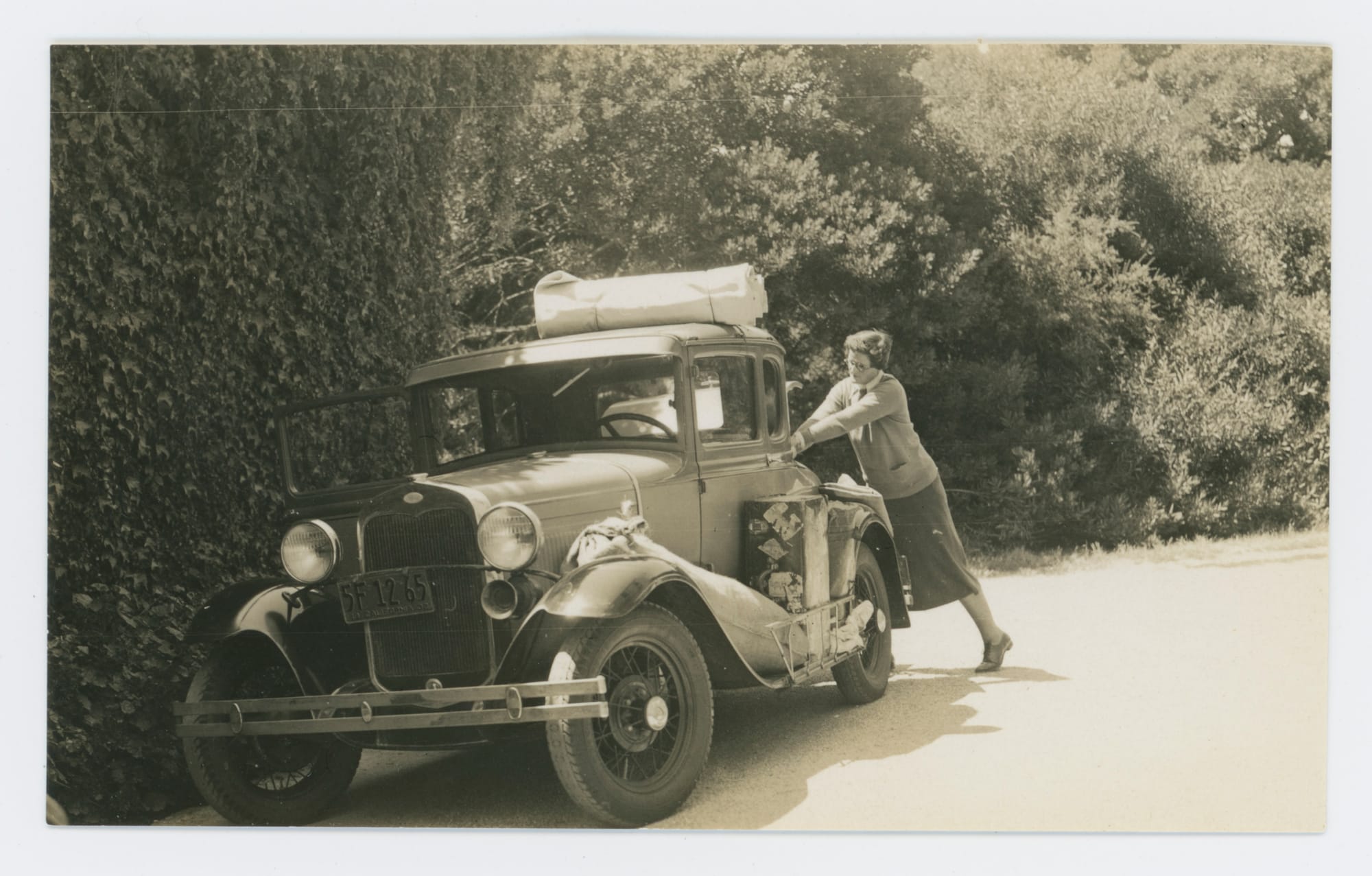
My book argues that Isabel Kelly left behind a legacy of international work that extends beyond her more celebrated anthropological studies of the U.S. Southwest. Her experiences abroad reveal the intersection of international, national, and local interests regarding development programs as a new way of understanding broader political and social relationships between Mexico and the United States. They demonstrate the contradictions and competition underlying Cold War alliances. They offer new insights into the evolution of anthropology as a diplomatic tool. And they open the door for future studies that look more closely at the roles of women in rural Mexican community life.
While my book is available to order here (or check your local library), I recognize not everyone will want to take a deep dive into an academic monograph. Last month, H-Environment published a Roundtable Review of my book by three scholars in my field. The publication includes an introduction from the editor and concludes with my response to the reviews. You can read the full document (20 pages) by clicking here. And in November, I recorded an interview about my book on the podcast Unsung History. I’ve condensed my thoughts into a 45-minute conversation with Kelly Therese Pollock.
Researching Isabel Kelly taught me a lot about how people are remembered. The event/accomplishment/action they are best known may not be the most interesting thing they’ve done. Instead, I have learned that finding ways historical figures intersect with our own lives makes them much more memorable and meaningful to us. It reminds us that interconnectedness can help reinforce our collective good.